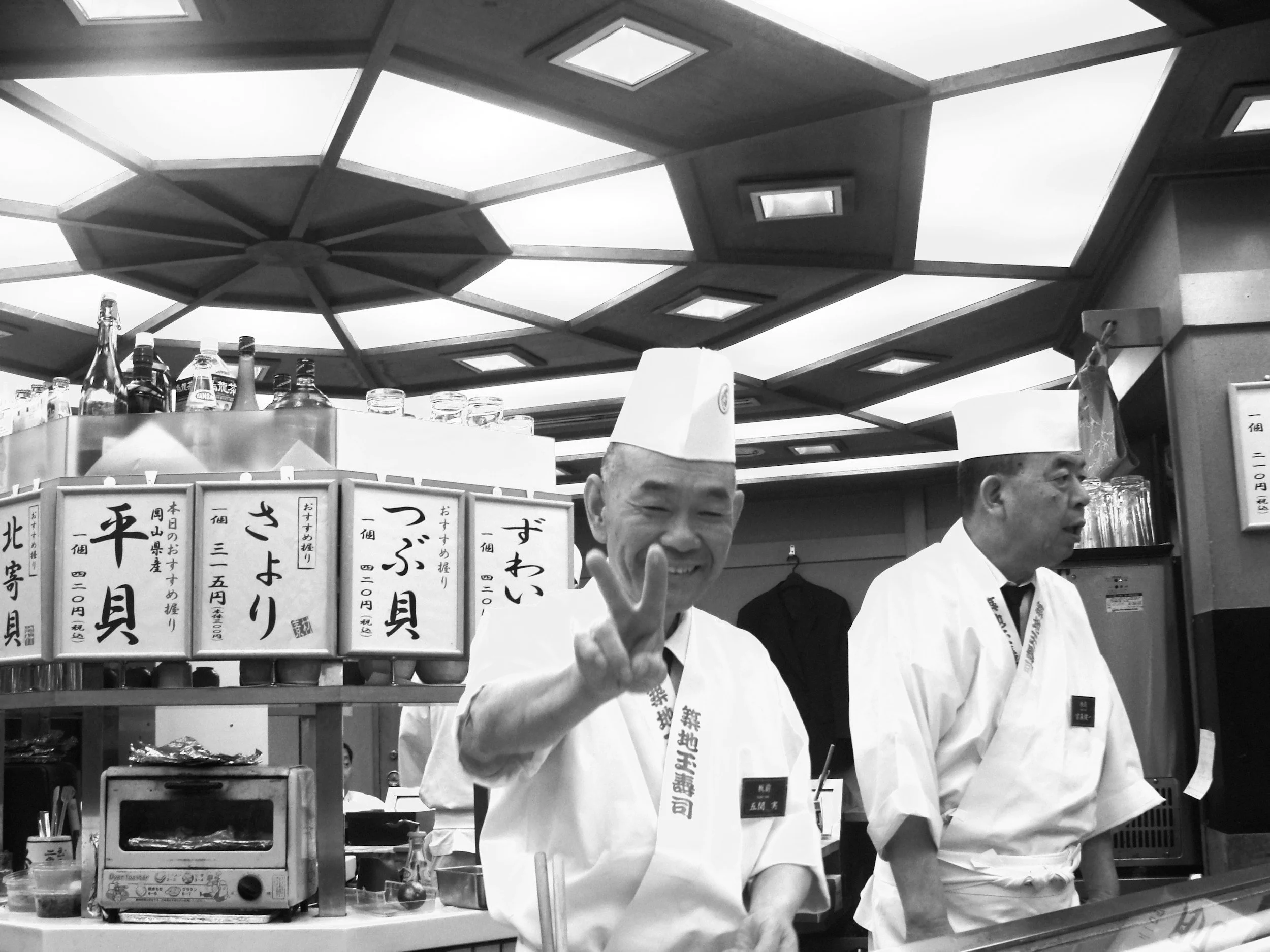
Japan, FOUND -One of the most inspiring destinations we’ve ever experienced. 


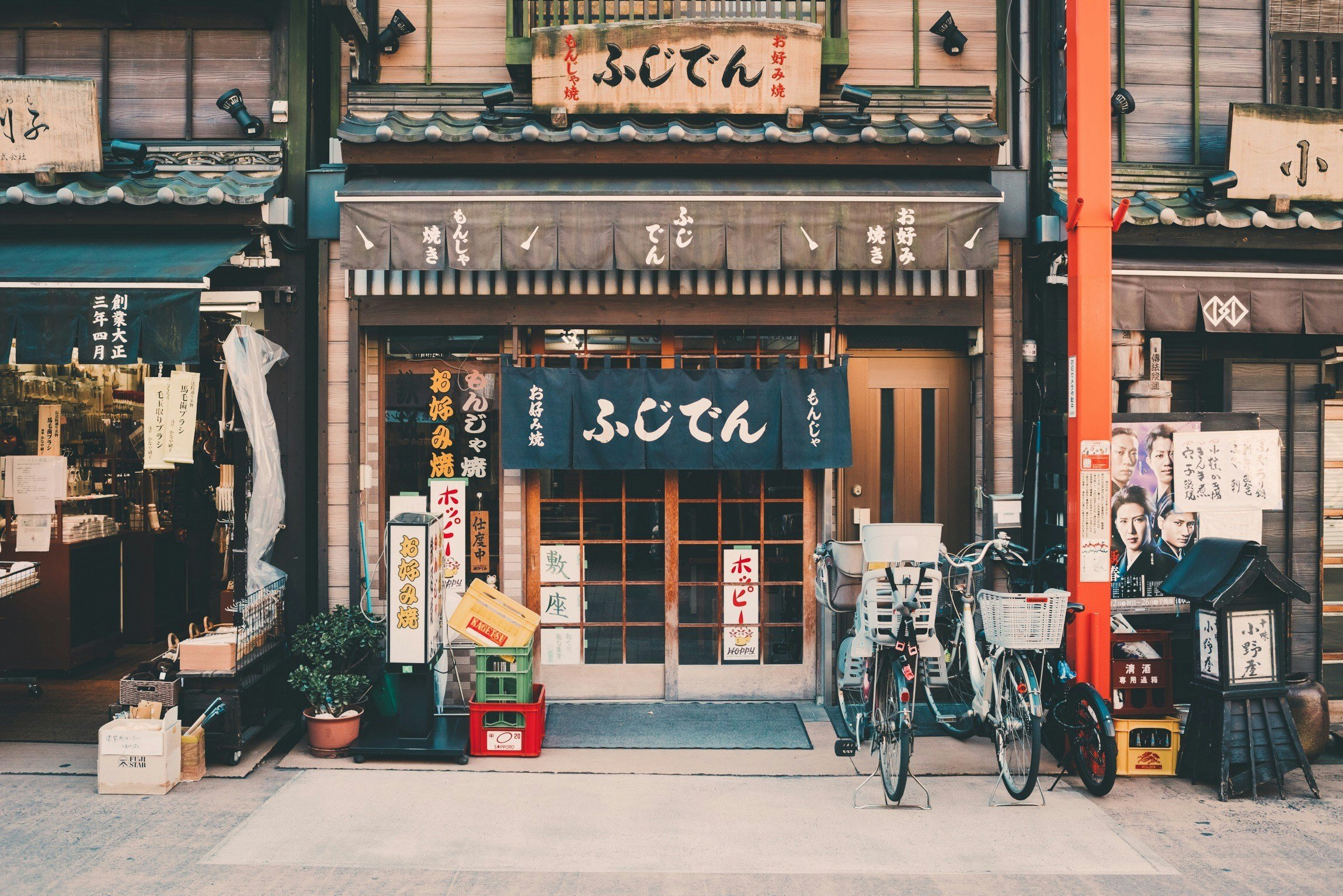
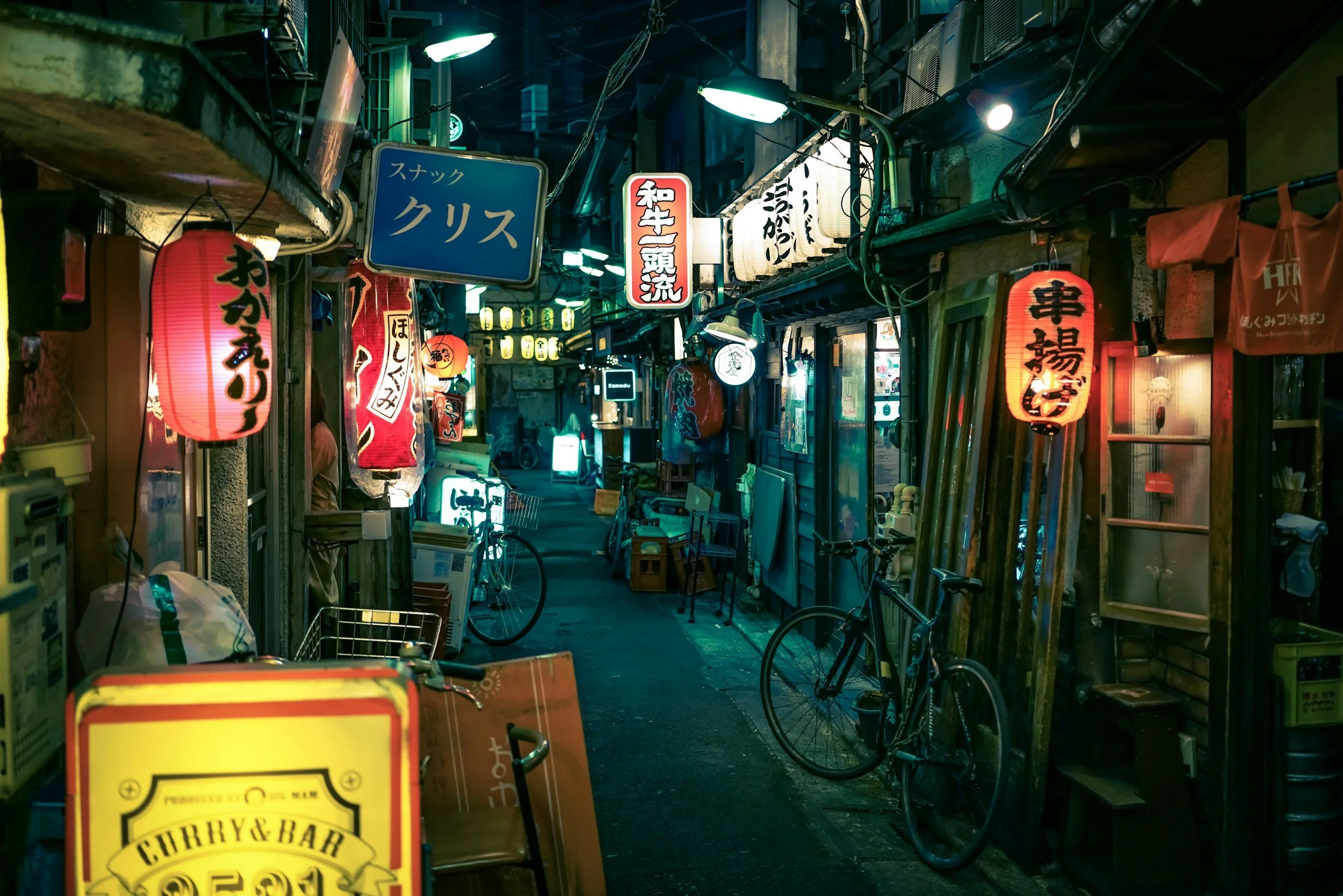
Japan is one of the most inspiring destinations we’ve ever experienced — a country that feels impossible to fully explain until you experience it for yourself. It’s a place where centuries-old traditions exist seamlessly beside futuristic skylines, where quiet temple courtyards contrast with neon-lit streets buzzing late into the night, and where nearly every interaction feels rooted in intention, hospitality, and precision. What quickly stood out to us was how every region carries its own distinct identity, shaped by its history, cuisine, pace, and culture. Japan became less about checking destinations off a list and more about fully experiencing each place's rhythm.

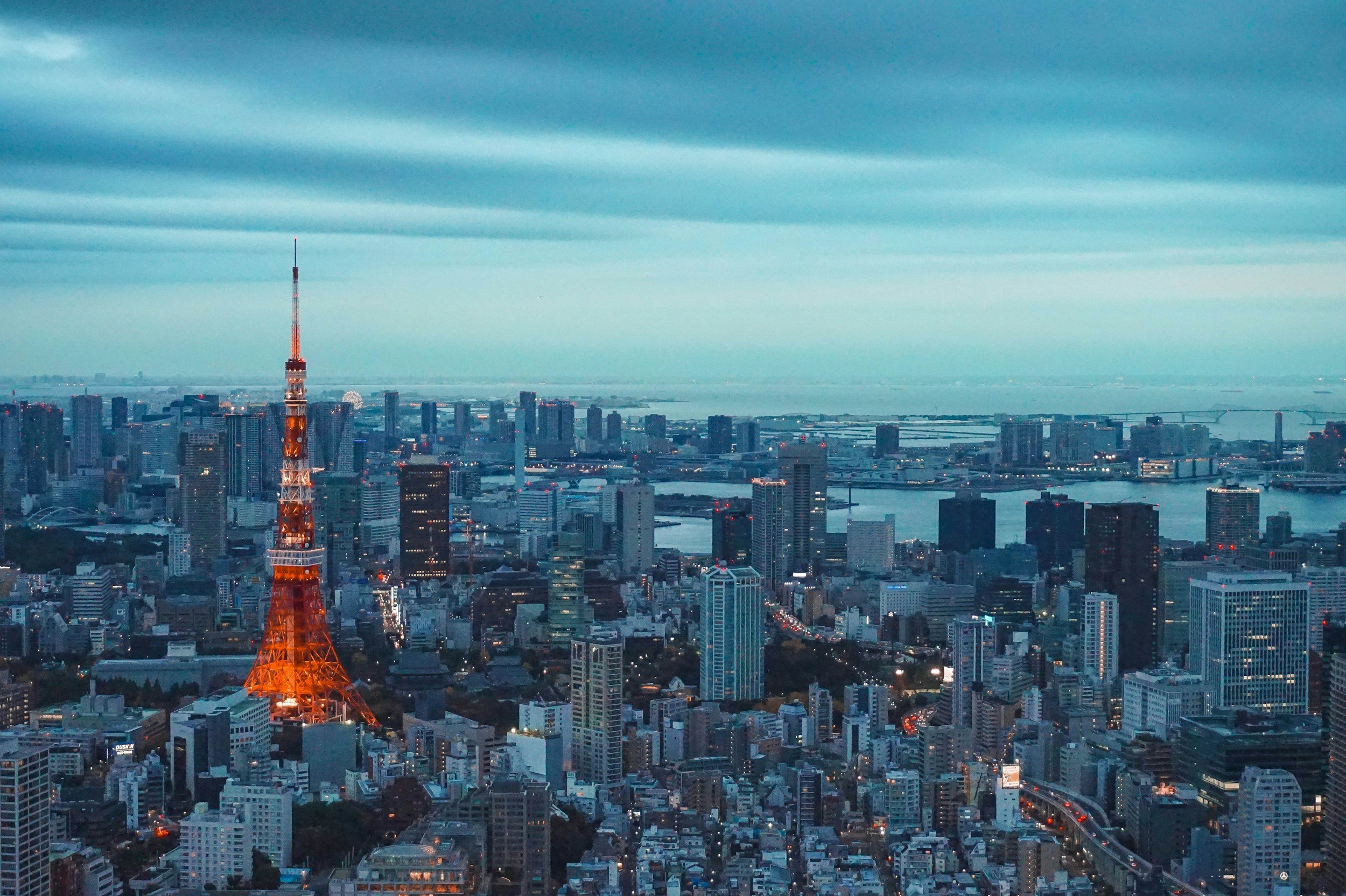
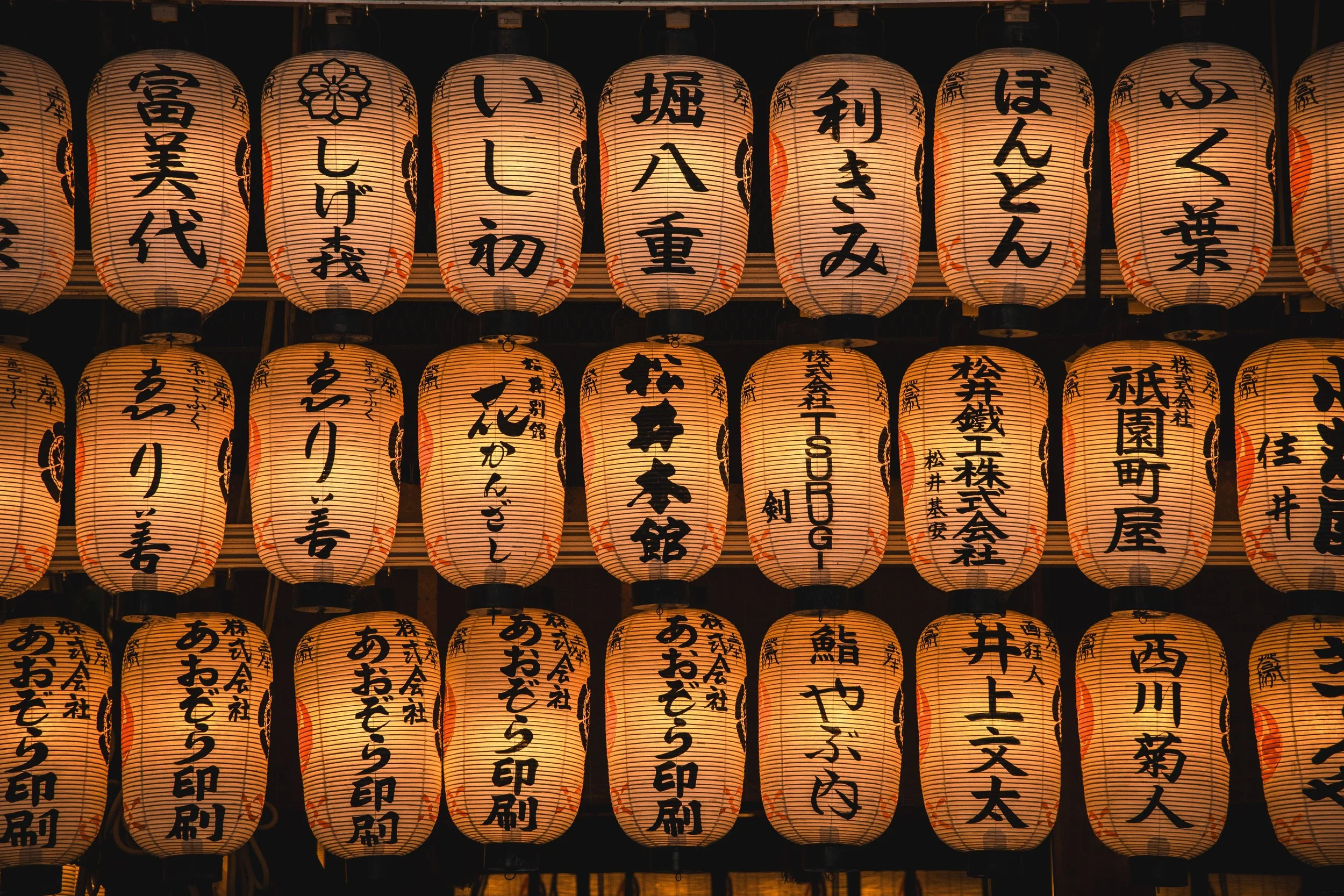
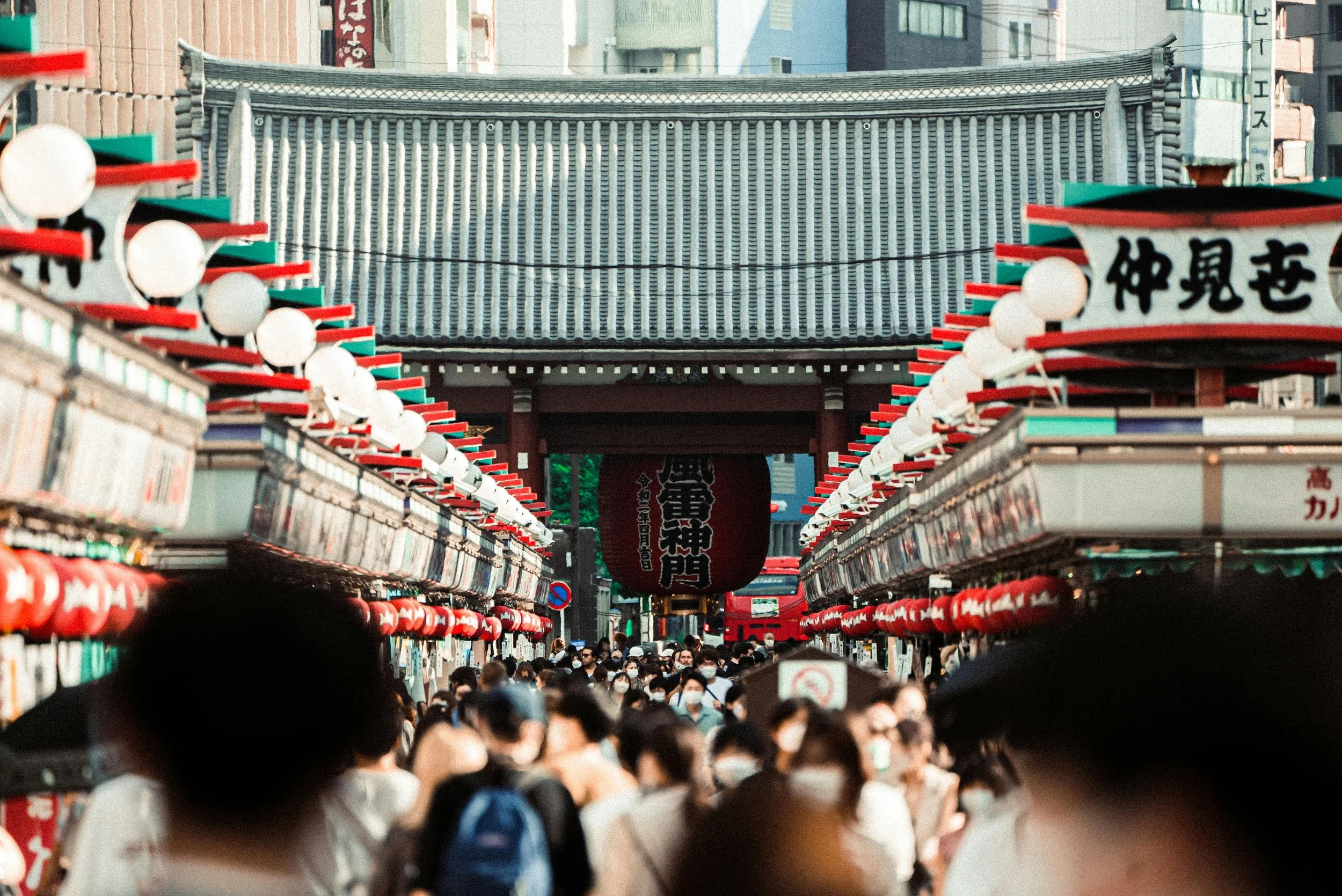
Tokyo is the energetic heartbeat of the country — polished, fast-moving, and endlessly creative. Michelin-starred sushi counters sit beneath towering skyscrapers, hidden cocktail bars line narrow alleyways, and neighborhoods each feel like their own world. At the same time, quiet moments of tradition remain woven throughout daily life. Then comes Kyoto, where the pace slows entirely. Ancient temples, ryokan, tea houses, lantern-lit streets, and preserved architecture create a distinct atmosphere centered on ritual, craftsmanship, and history. Osaka reveals yet another side of Japan — louder, warmer, and more playful — built around incredible food, nightlife, neon streets, and a casual dining culture that encourages wandering without a plan and staying out later than expected.

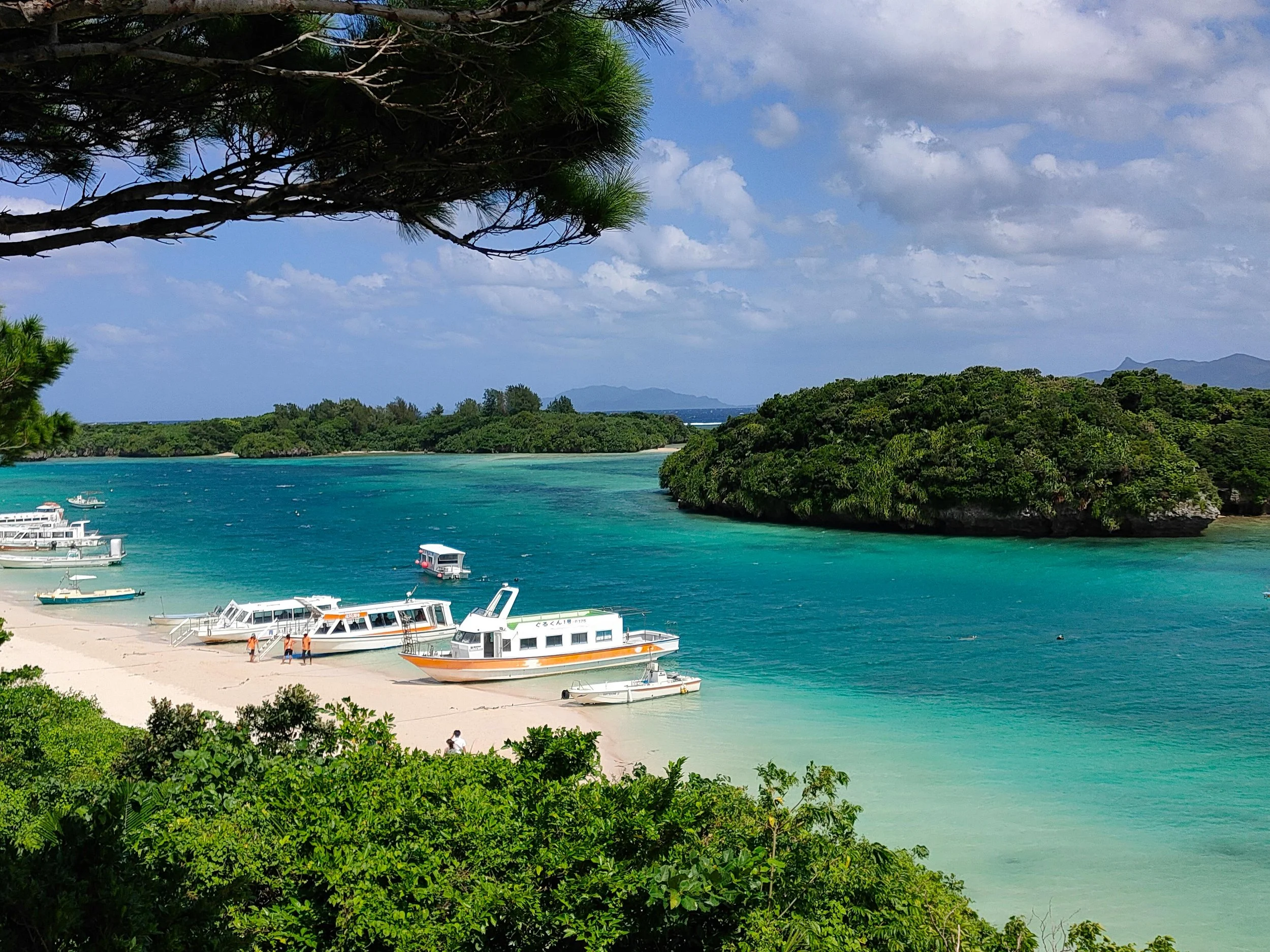
Beyond the major cities, Japan continues to unfold in entirely different ways. Okinawa feels worlds away from Tokyo, with tropical islands, turquoise water, slower rhythms, and a culture shaped by the Ryukyu Kingdom. Coastal retreats and island ryokans create some of the country’s most restorative luxury experiences focused on wellness, nature, and hospitality. To the north, Hokkaido and Sapporo offer dramatic landscapes, snow-covered winters, ski culture, mountain onsens, and some of Japan’s most memorable seafood and regional cuisine. Everywhere you go, the country feels deeply connected to seasonality, craftsmanship, and thoughtful design.

But what ultimately defines Japan isn’t just the destinations — it’s the culture surrounding them. The respect woven into daily life. The attention to detail. The pride in craftsmanship. The way meals become experiences, trains run with near-perfect precision, and even the smallest spaces feel intentional. Some of our favorite moments happened unexpectedly: quiet mornings at temples before the crowds arrived, tiny bars with no English menus, long dinners stretching late into the night, and wandering unfamiliar neighborhoods without a plan. Japan constantly balances movement and stillness, modernity and history, luxury and simplicity — often all at once — and for travelers seeking incredible food, design, culture, wellness, and hospitality, it’s a destination that stays with you long after you leave.


TOKYO

OSAKA

OKINAWA

KYOTO

NARA

The Found Way to Travel Japan

At FOUND, our first experience in Japan left a lasting impression on us. What makes Japan so special is that no two experiences ever feel the same. Each city, each neighborhood, each season offers something entirely distinct. From the quiet rhythm of mountain villages to the electric energy of Tokyo, Japan reveals itself slowly — layer by layer — to those willing to pay attention.

This country is so much more than neon lights and sushi. It’s centuries of tradition existing seamlessly alongside innovation. It’s the care behind every meal, the respect woven into everyday interactions, and the beauty found in simplicity, ritual, and detail.

Japan invites you to slow down, observe, and experience the world differently. And for travelers willing to lean into its culture and rhythm, Japan offers something far more meaningful than just a vacation — it offers perspective, connection, and memories that stay with you long after you return home.
  • Why Visit Japan?

    Japan is one of our favorite destinations for its depth, beauty, and balance. It has everything:

    World-class cuisine (from tiny ramen counters to Michelin-starred dining)

    A seamless blend of ancient tradition and modern innovation

    Incredible design, architecture, and attention to detail

    Vibrant cities, peaceful countryside, mountain towns, and coastal escapes

    Ideal settings for family trips, honeymoons, cultural adventures, and luxury getaways

    Japan is energetic, calming, inspiring, and deeply immersive. It all depends on how you experience it.

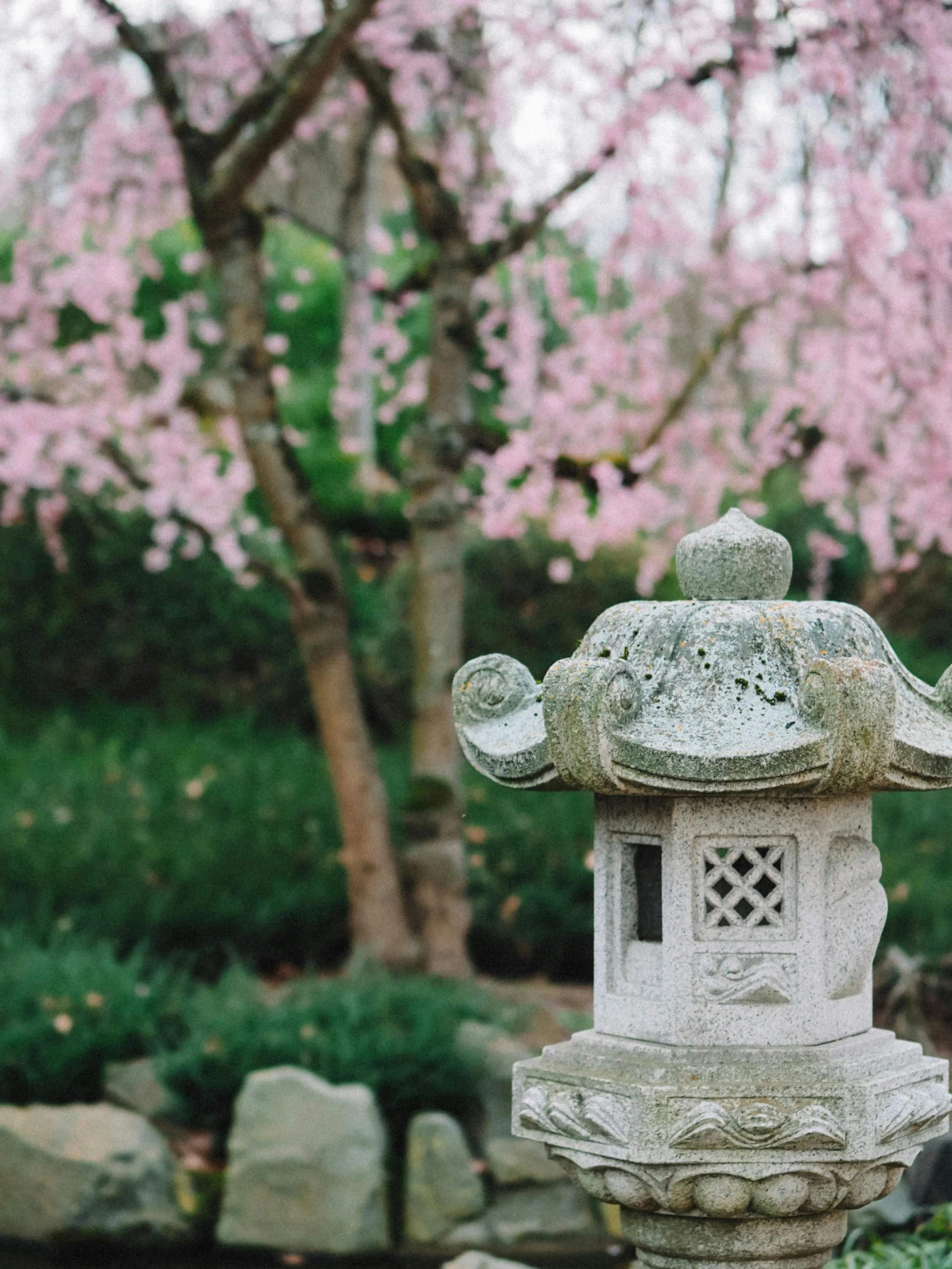
  • japanes maple in a garden with statue

    When to Go

    Japan is truly a year-round destination, with each season offering a completely different experience.

    SPRING (MARCH–MAY)
    One of the most popular times to visit is thanks to the cherry blossom season. Expect beautiful parks, mild weather, and vibrant energy throughout the country. This is an ideal time for first-time visitors, but also one of the busiest and most expensive seasons.

    Note: We recommend avoiding Golden Week (typically late April through early May), one of Japan’s busiest domestic travel holidays, when trains, hotels, and major attractions become extremely crowded.

    SUMMER (JUNE–AUGUST)
    Summer brings lush landscapes, festivals, beach destinations, and incredible mountain escapes. Cities like Tokyo and Kyoto can be hot and humid, but destinations such as Hokkaido and the Japanese Alps offer cooler temperatures and outdoor adventures.

    FALL (SEPTEMBER–NOVEMBER)
    One of our favorite times to visit Japan. The weather is comfortable, crowds are lighter, and the fall foliage is stunning — especially in Kyoto, Nikko, and mountain regions throughout the country. This season feels relaxed, cozy, and incredibly scenic.

    WINTER (DECEMBER–FEBRUARY)
    Perfect for skiing, hot springs, cozy ryokans, and seeing a quieter side of Japan. Northern Japan becomes a winter wonderland, while cities like Tokyo and Osaka remain relatively mild and easy to explore. Winter is also an amazing time for food, onsen culture, and snowy landscapes.

  • A white heron standing on a wooden post in shallow water near a coastal shoreline with distant trees across the water.

    How to Travel Around Japan

    Fly into Tokyo (HND or NRT) or Osaka (KIX) for most international routes

    Japan’s rail system makes it easy to travel between major cities like Tokyo, Kyoto, and Osaka

    We highly recommend purchasing tickets for the Shinkansen (bullet train) in advance during busy travel periods

    For regional destinations and smaller towns, private transfers or domestic flights can save significant travel time

    Japan’s metro systems are incredibly efficient, clean, and easy to navigate with apps like Google Maps

  • Things to know

    Before arrival, register with Visit Japan Web to complete your immigration and customs information and generate your QR code for entry into Japan. Once you land, simply follow the signs for immigration and customs and scan your QR code at the kiosks before proceeding through passport control and baggage claim.

    Japan does not require the common “6-month passport validity rule” for U.S. travelers. Your passport simply needs to remain valid for the duration of your stay. That said, we still recommend traveling with at least 6 months of validity whenever possible, as some airlines and transit countries may have their own requirements.

    We recommend prebooking your airport transfer before arrival, especially after a long international flight. Services like Uber and private transfer companies are widely available in Tokyo and Osaka and can make arrival significantly easier.

    Bring some Japanese yen before departure or plan to withdraw cash from ATMs once you arrive. International ATMs are extremely reliable and easy to find throughout Japan, especially inside convenience stores like 7-Eleven and Lawson. While most hotels, restaurants, and larger shops accept credit cards, many smaller restaurants, bars, markets, temples, and local shops still operate on a cash-only basis.

    It is also very helpful to bring a small coin purse or pouch, as you will quickly accumulate coins throughout your trip. Japan still commonly uses coins for transit machines, vending machines, temples, and smaller daily purchases. goes here

  • Things to know

    Before arrival, add a Suica card to your Apple Wallet for easy tap-and-go access throughout Japan. Suica can be used on trains and subways across major cities, as well as at convenience stores, taxis, vending machines, restaurants, and many shops. It makes daily transportation and purchases significantly easier once you arrive.

    Download Google Maps before your trip and save offline maps for the cities you are visiting. Google Maps works exceptionally well throughout Japan for train navigation, walking directions, subway transfers, station exits, and transit timing.

    We also strongly recommend purchasing and installing an eSIM, such as Ubigi, before departure so your data service is active as soon as you land. Reliable data is extremely helpful for navigation, translation apps, restaurant searches, and communication throughout your trip.

    Download Tabelog and TableCheck before your trip for restaurant research and reservations. Many of Japan’s best restaurants — especially omakase counters, fine-dining experiences, and hotel restaurants — use these platforms for reservations and waitlists.

    For taxis, we recommend downloading the S.RIDE app before arrival. It functions similarly to Uber and is commonly used throughout Japan for requesting taxis, tracking arrivals, and paying directly through the app. While Uber operates in some cities, it often dispatches regular taxis rather than private drivers. goes here

  • Things to know

    Using taxis in Japan is extremely safe, clean, and efficient. Taxi doors open automatically, drivers are highly professional, and most taxis accept credit cards, Suica, and mobile payments. Keep in mind that taxis can become expensive during heavy traffic or late-night hours, especially in Tokyo, so rail transit is often the faster option.

    While many train stations, restaurants, and attractions include English signage, you will still occasionally encounter menus, signs, or local shops that are only in Japanese. The camera translation feature within Google Translate is incredibly helpful for instantly translating menus, labels, and signs simply by pointing your phone camera at the text.

    An alternative option is purchasing a handheld translator device before your trip. These can be especially useful for travelers who prefer not to rely entirely on their phone for communication and navigation.

    Lastly, be prepared for occasional rain throughout Japan, especially during spring and early summer travel. A compact umbrella, lightweight rain jacket, or waterproof shoes can make exploring much more comfortable during sudden showers. Fortunately, convenience stores throughout Japan make it very easy to purchase inexpensive umbrellas and rain essentials if needed.

Start with one of our city guides — or let us build a custom Japan itinerary that feels like it was made just for you.