Osaka doesn’t ask for your attention quietly — it flashes, sizzles, and pulls you into the rhythm of the city almost immediately. Where Tokyo feels polished and precise, Osaka feels alive in a different way: louder, warmer, more rebellious, and deeply rooted in the idea that life should be enjoyed. Often referred to as “Japan’s Kitchen,” the city has long been the country’s culinary heartbeat, a place where merchants, chefs, and street vendors shaped a culture centered around food, hospitality, and late-night energy.
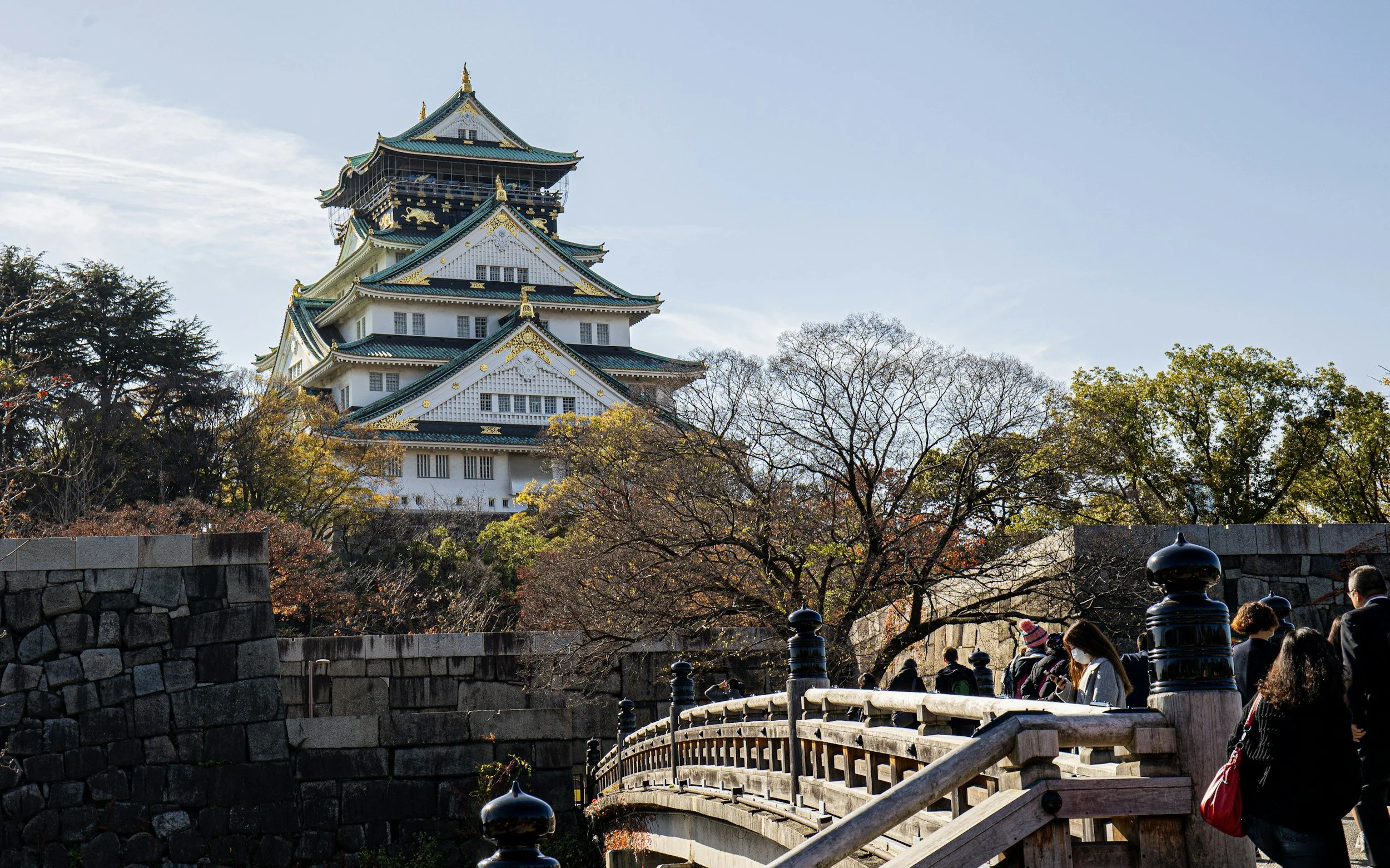
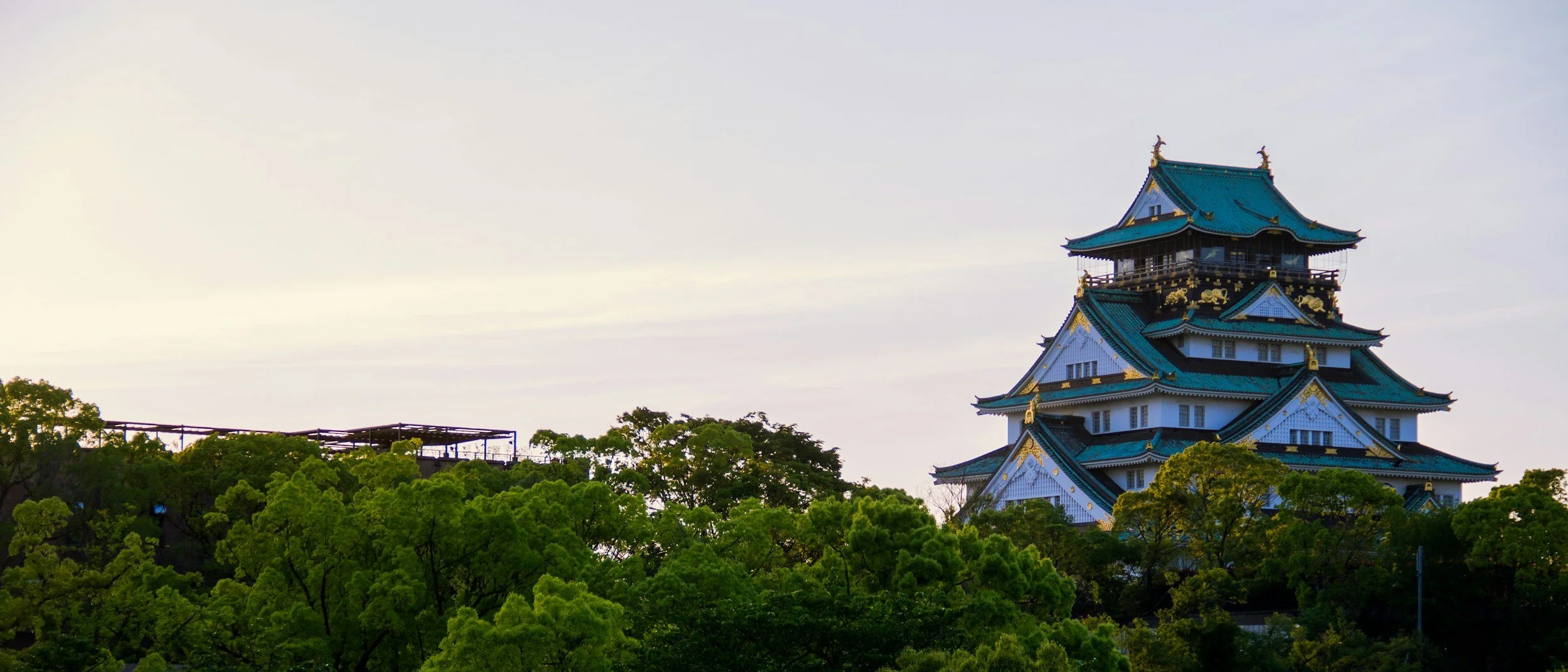
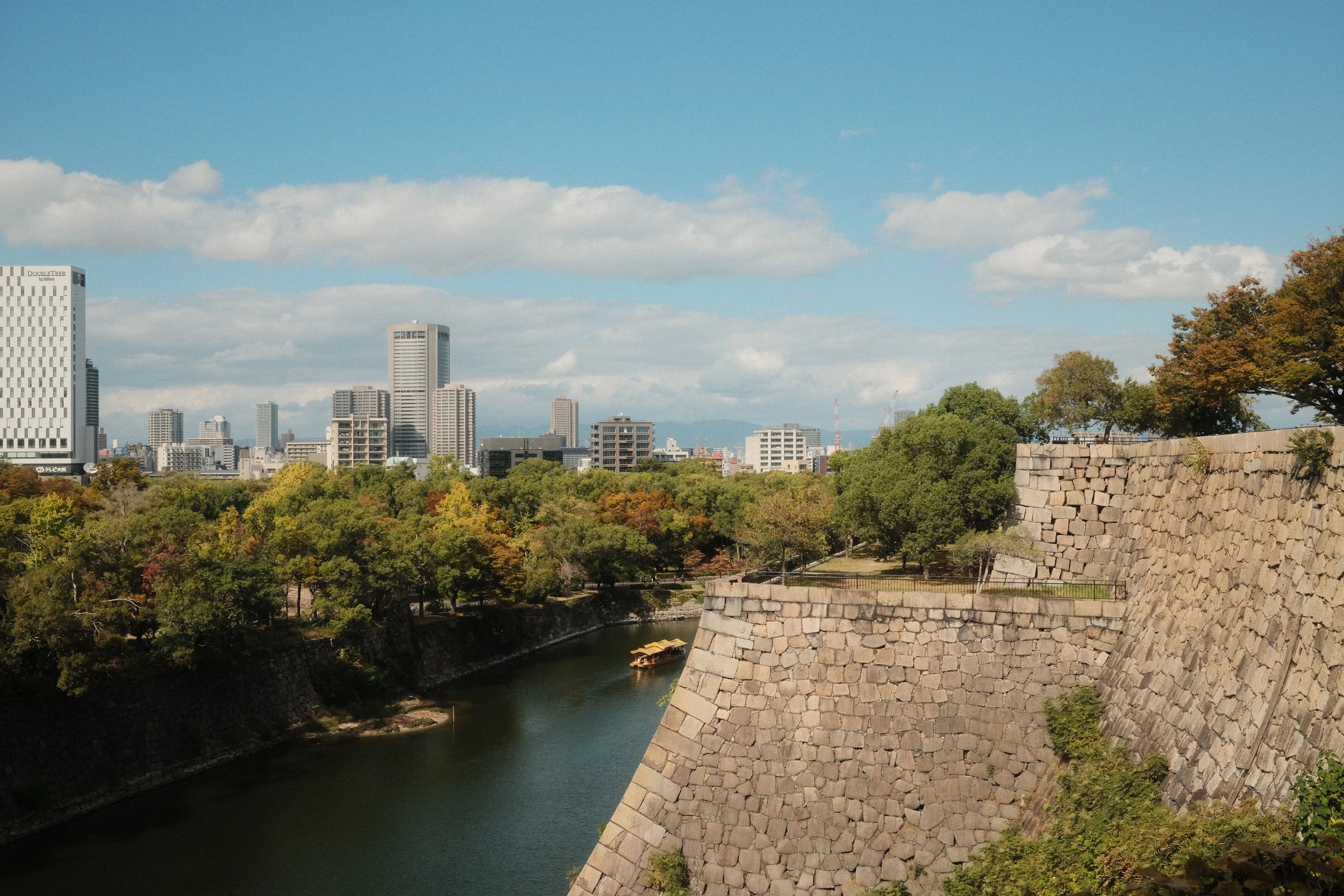
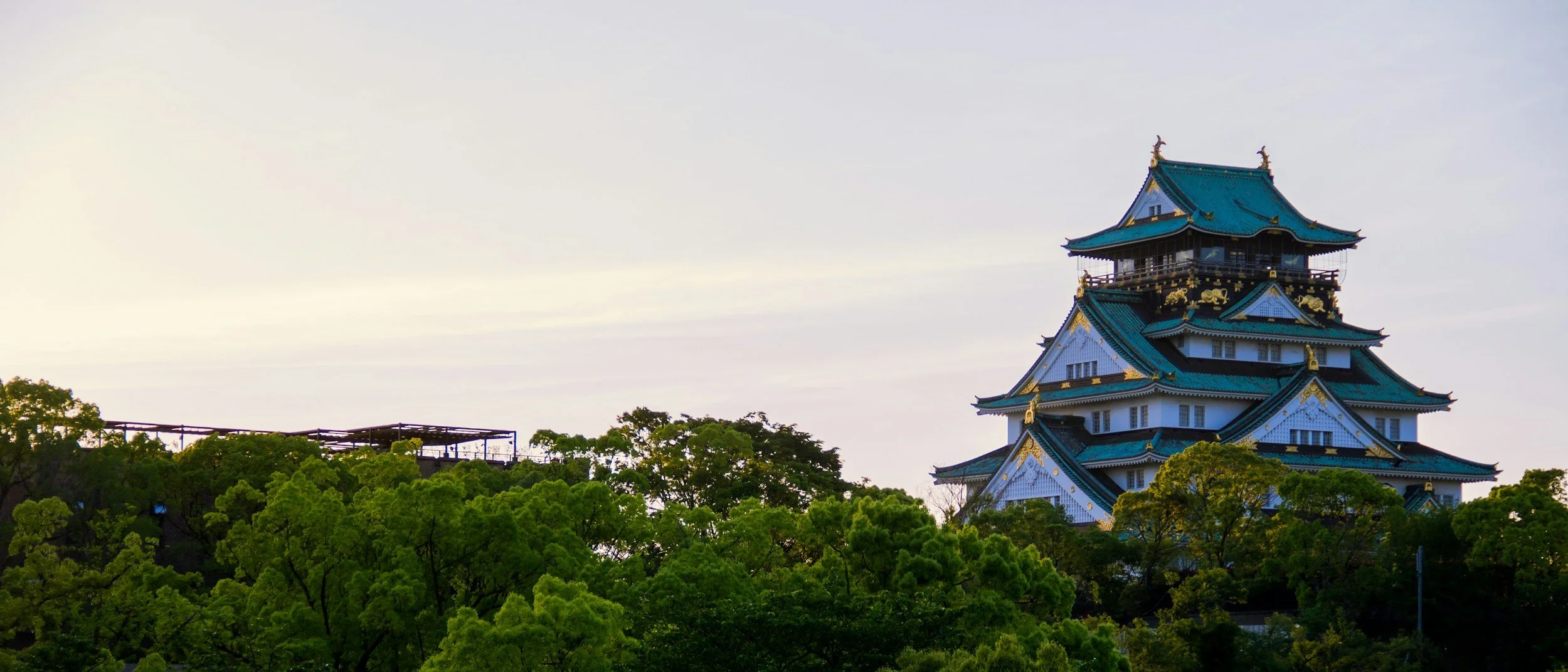
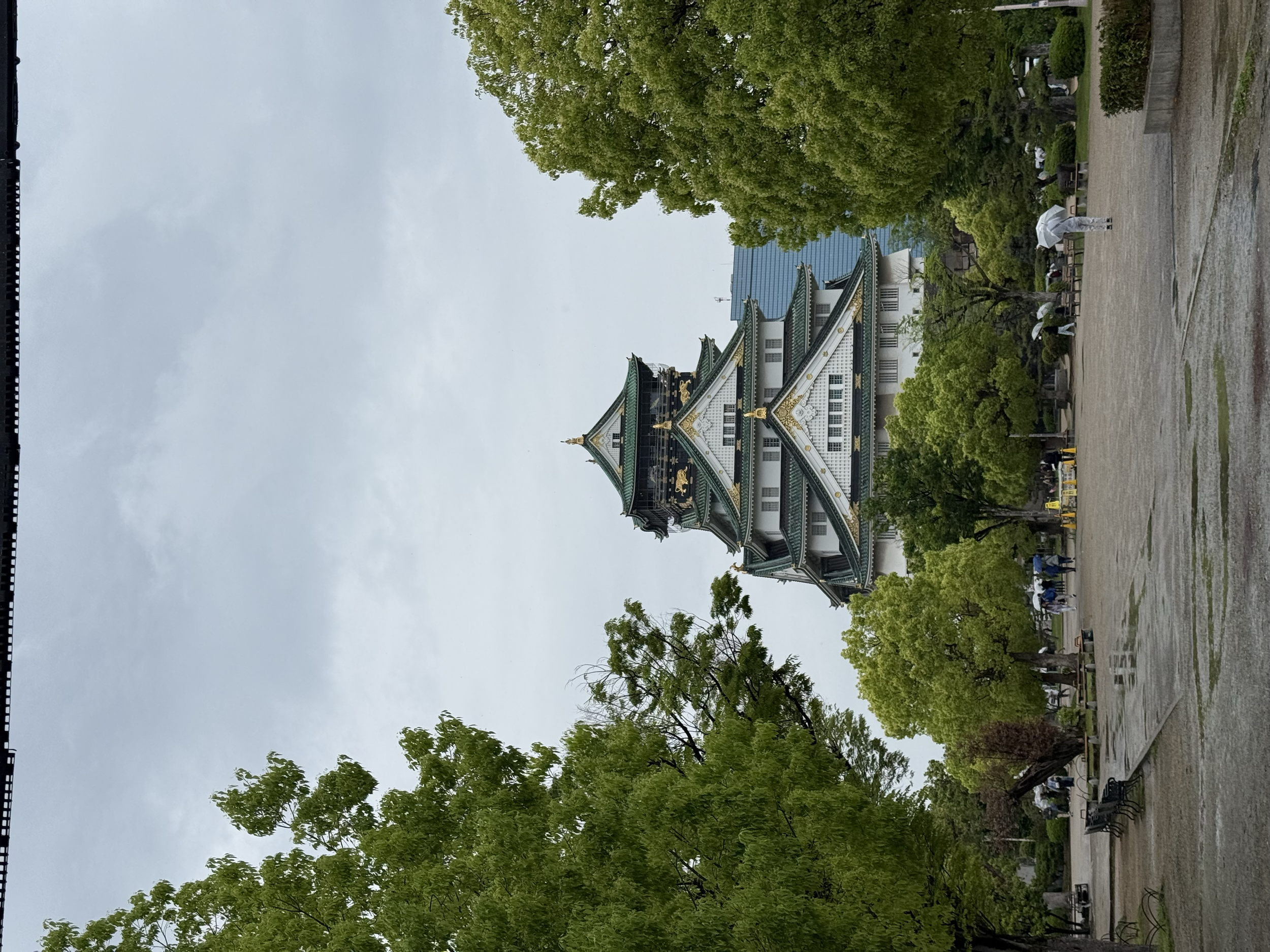
At the center of Osaka’s story sits Osaka Castle — a symbol of the city’s resilience and historical importance. Originally built in the late 1500s by Toyotomi Hideyoshi during Japan’s unification, the castle remains one of the country’s most iconic landmarks, surrounded by stone walls, moats, and sprawling gardens that feel worlds away from the neon chaos just beyond the park. Osaka carries its history differently than Kyoto; less preserved in stillness and more woven into the movement of daily life.
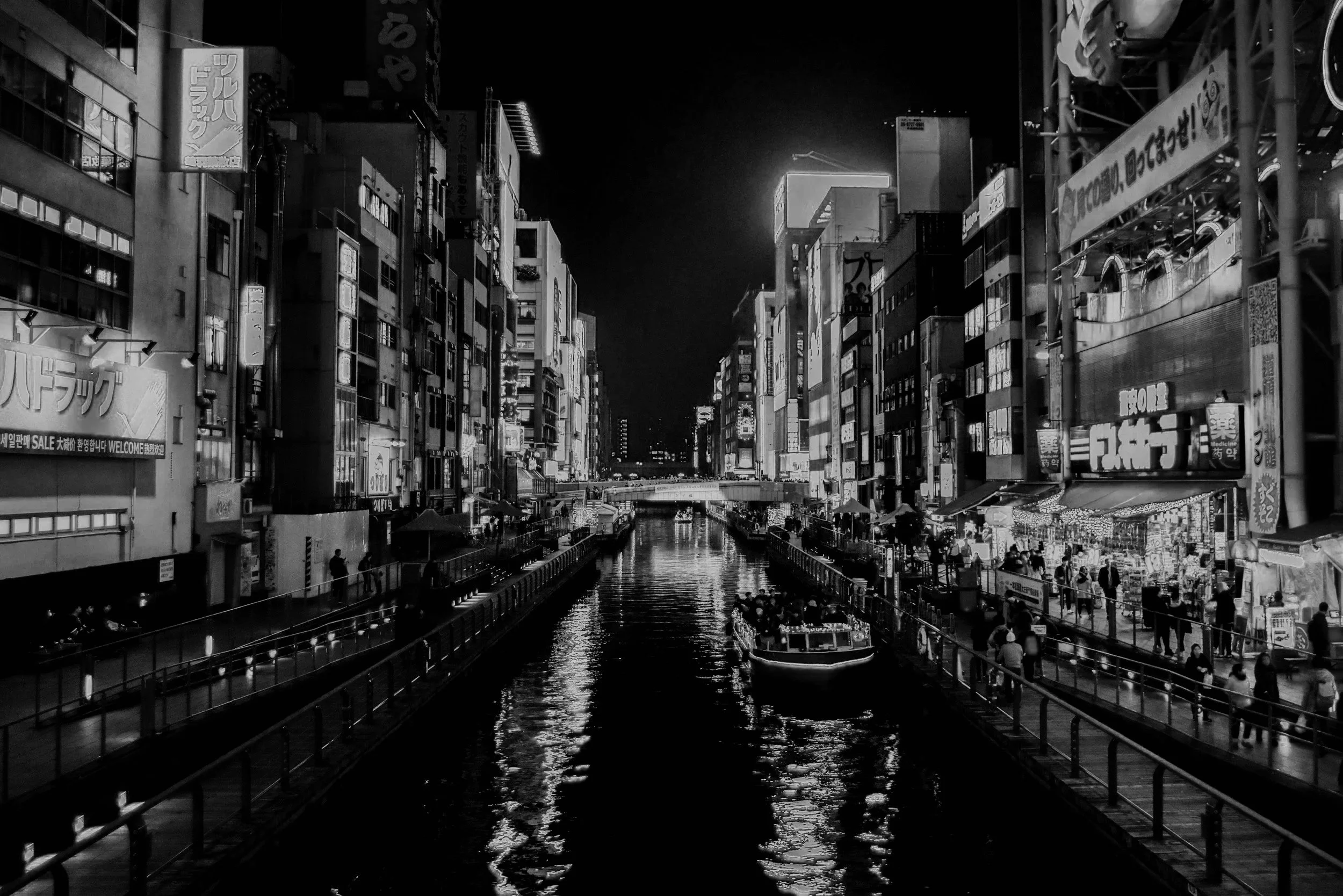
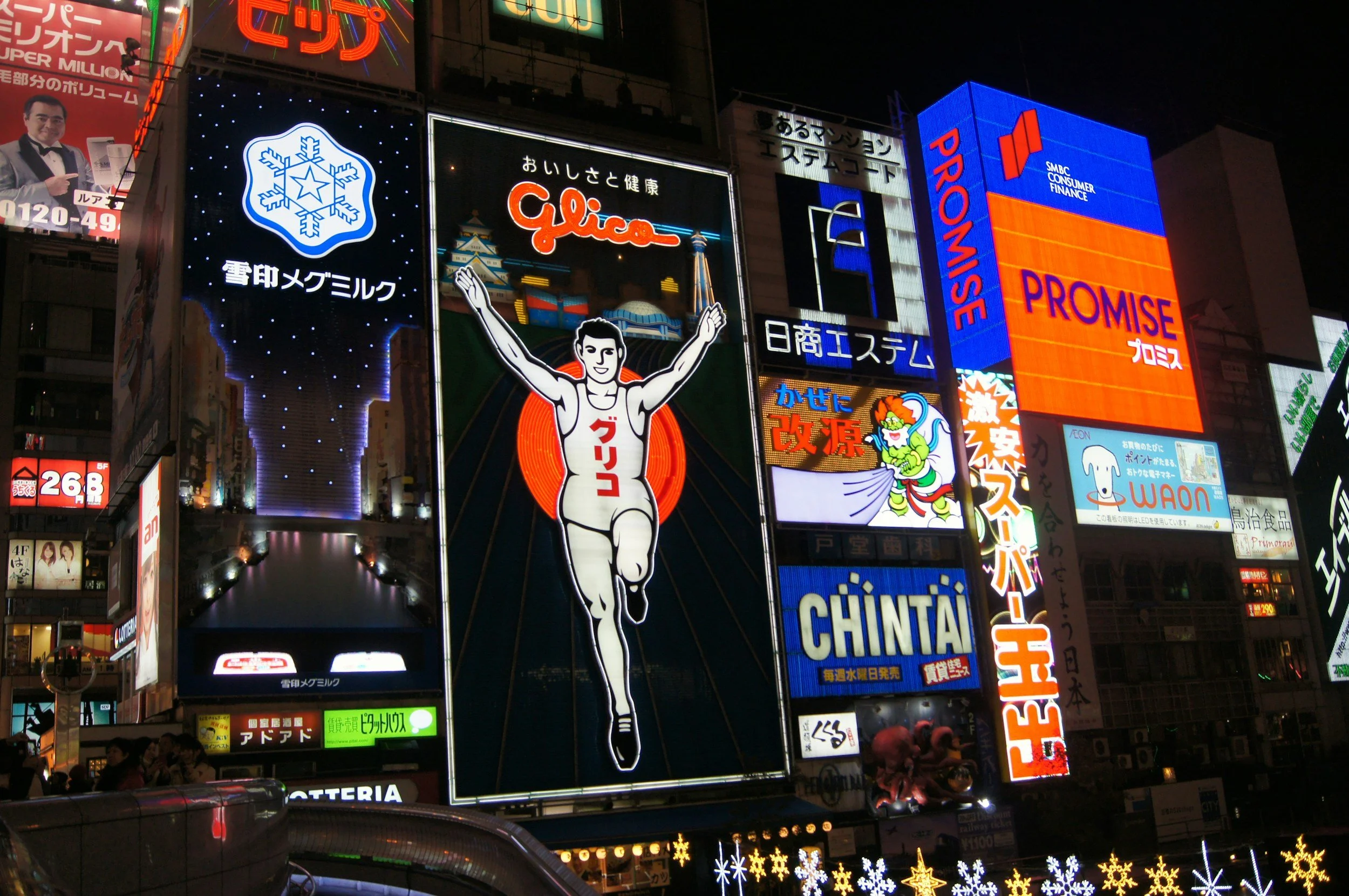
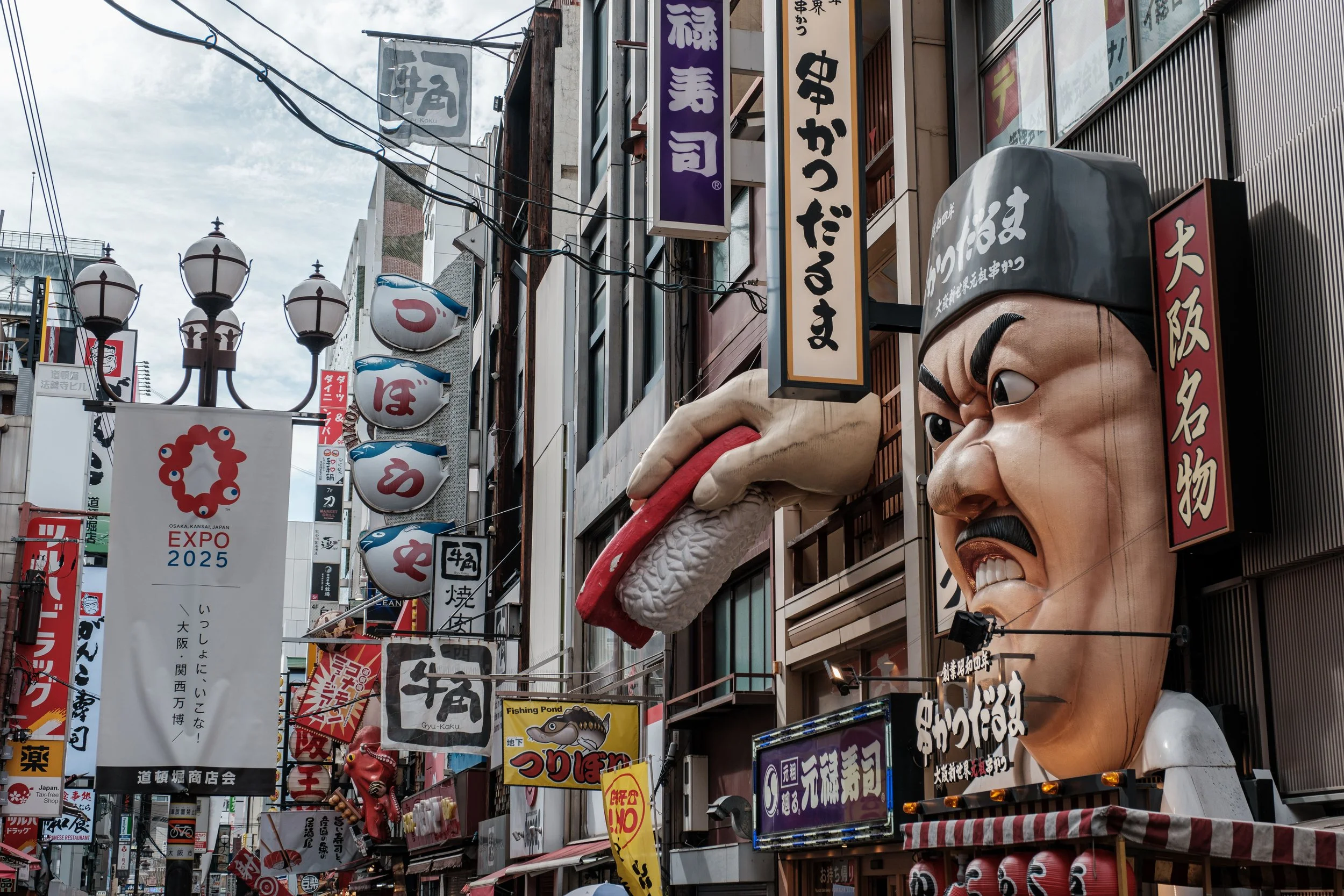
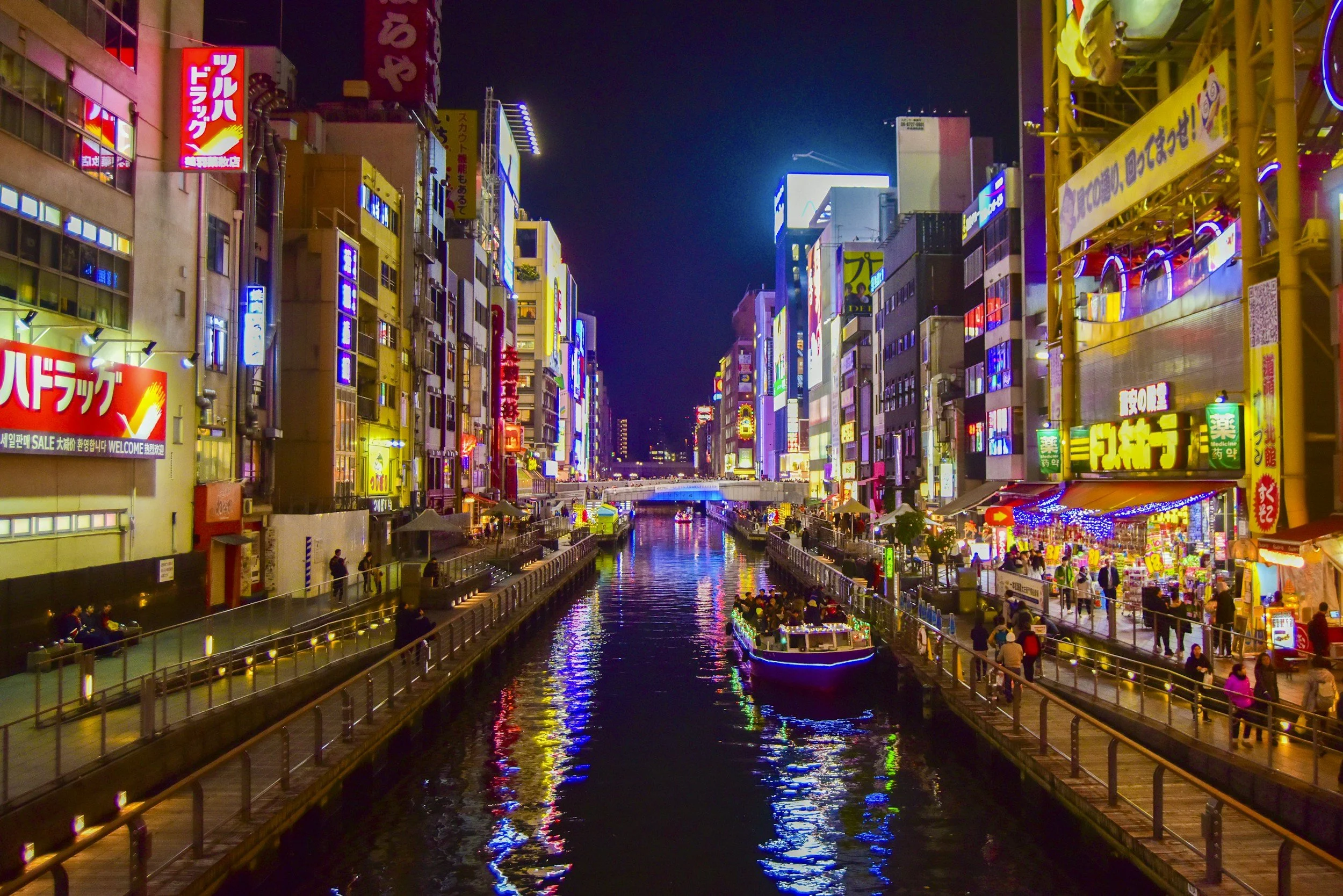
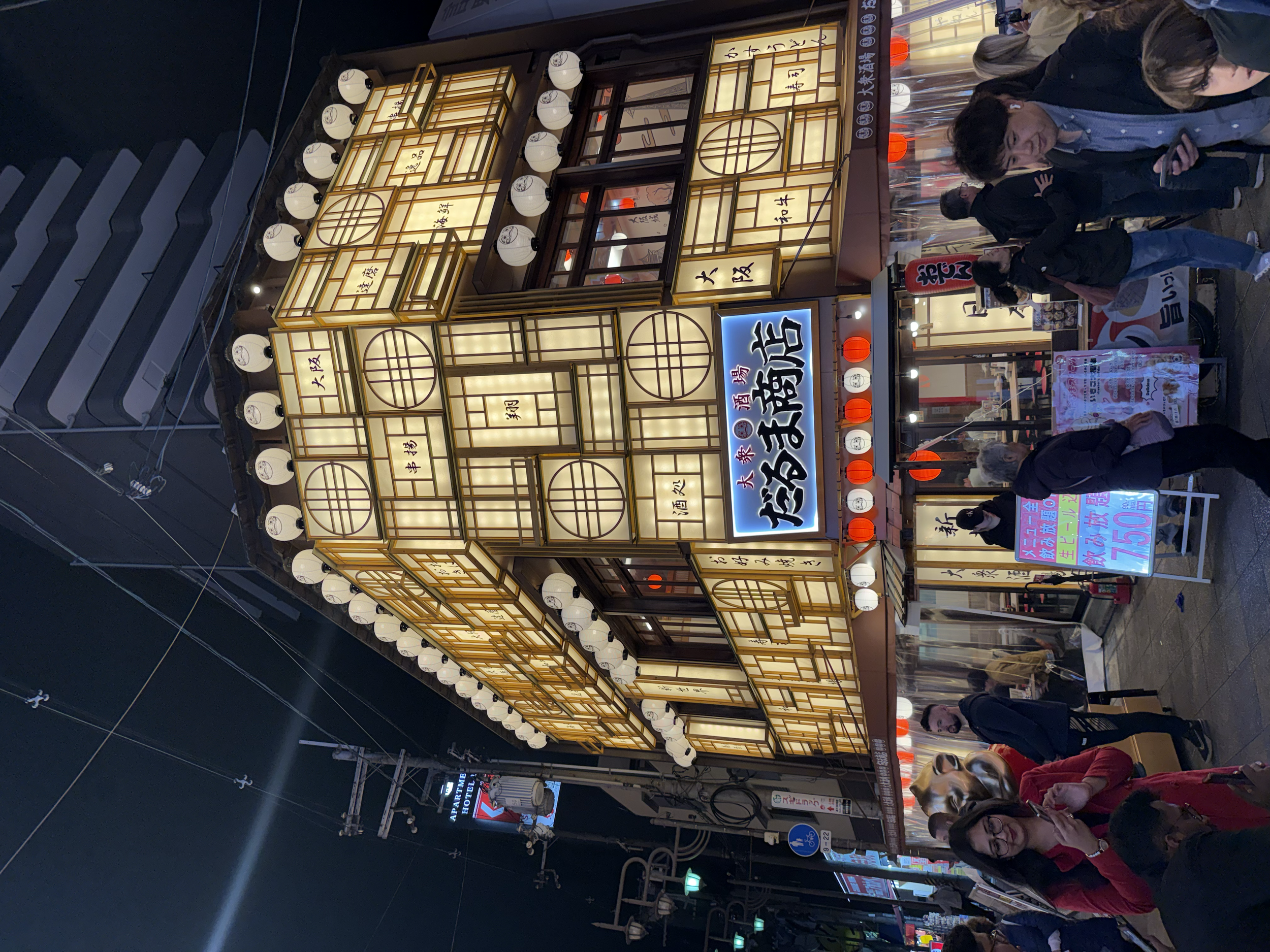
That contrast is what makes the city unforgettable. In districts like Dotonbori, old Osaka still pulses through towering neon signs, smoky alleyways, paper lanterns, and the constant aroma of grilled skewers and ramen broth drifting through the streets. The city doesn’t sleep early — it spills into the night. Beneath the glowing billboards and animated crab signs, you’ll find generations-old izakayas sitting beside modern cocktail bars, hidden jazz lounges, and tiny standing sushi counters packed shoulder-to-shoulder with locals.
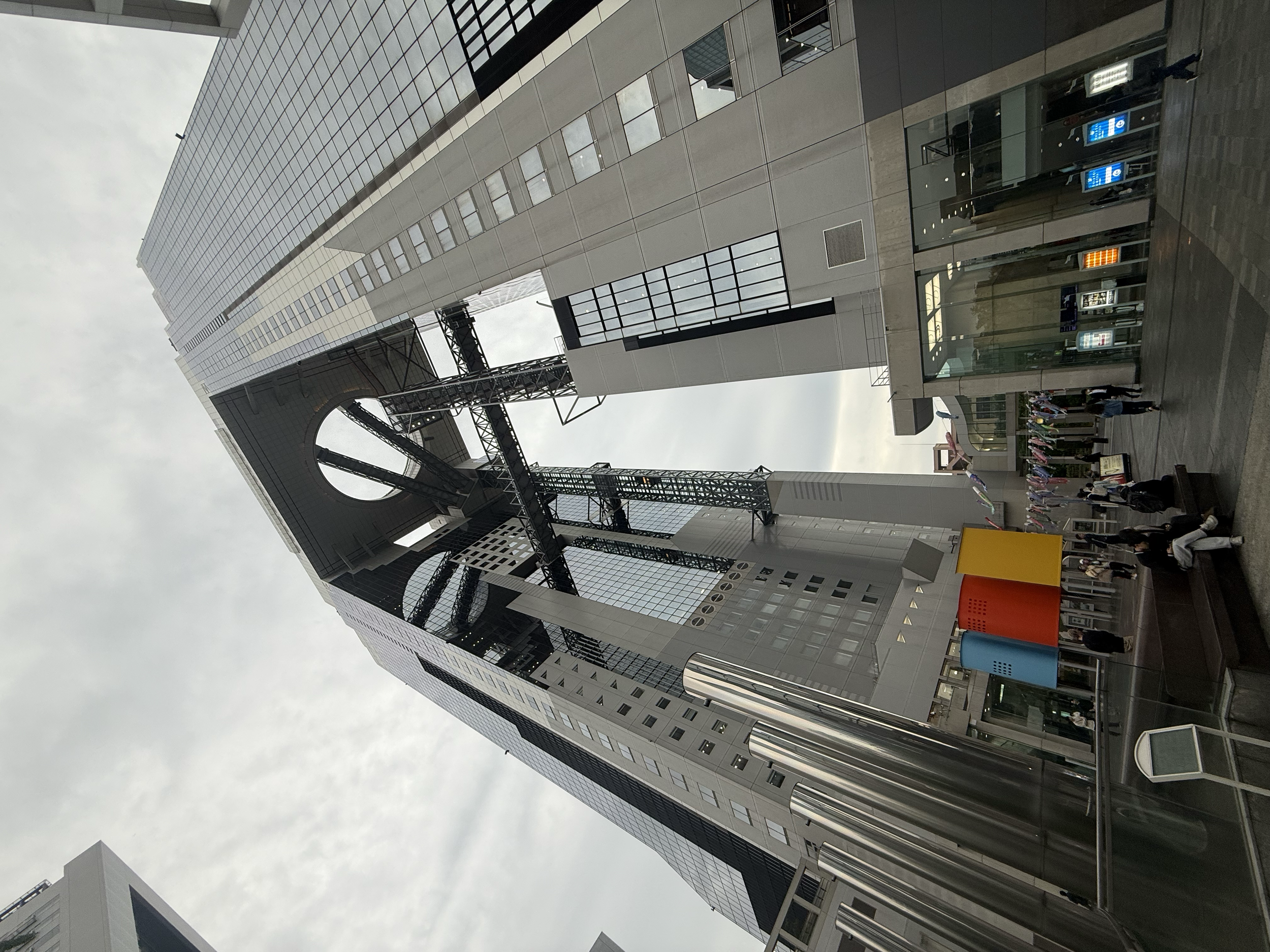
But Osaka is also evolving quickly. Neighborhoods like Umeda represent the city’s modern edge: sleek skyscrapers, luxury hotels, rooftop cocktail bars, elevated shopping, and a younger creative energy reshaping the city’s identity. It’s where Osaka begins to feel more cosmopolitan — balancing its gritty charm with contemporary design, architecture, and fashion-forward spaces.
What makes Osaka special isn’t just the food or the nightlife — it’s the personality of the city itself. Compared to Tokyo’s fast-moving formality, Osaka feels more approachable, more spontaneous, and more human. Conversations spill out of restaurants, chefs joke with guests across counters, strangers drink together under glowing lanterns, and every corner seems to invite you to stay a little longer.
Osaka is a city best experienced through appetite — for food, for culture, for nightlife, and for the beautifully chaotic energy that makes it one of Japan’s most unforgettable destinations.
Osaka, FOUND: Where Culture Meets Cuisine
-
Getting There
Kansai International Airport (KIX)
Kansai International Airport (KIX) serves as Osaka’s primary international gateway, welcoming long-haul flights from across Asia, Europe, and North America.
Located on an artificial island in Osaka Bay, the airport is well connected to the city via train, private transfer, and airport limousine bus, with access into central Osaka typically taking around 45–60 minutes.
Osaka International Airport (ITM)
Commonly known as Itami Airport, Osaka International Airport (ITM) primarily serves domestic flights within Japan and is often the most convenient option for travelers connecting from cities such as Tokyo, Sapporo, or Okinawa.
Its proximity to the city center makes arrivals especially seamless, with quick access to neighborhoods like Umeda and Namba in under 30 minutes.
Tokaido Shinkansen
One of the best and most iconic ways to travel to Osaka is by taking the Shinkansen, Japan’s famous high-speed bullet train system. Traveling from Tokyo to Kyoto by Shinkansen is incredibly efficient, comfortable, and surprisingly relaxing, with travel times averaging around 2 to 2.5 hours depending on the train service selected.
The experience itself feels distinctly Japanese — quiet, organized, punctual, and beautifully designed. For many travelers, the Shinkansen is more than just transportation; it is one of the highlights of the trip. On clear days, travelers may even catch views of Mount Fuji from the train ride between Tokyo and Osaka.
FOUND tip: Sit on the right-hand side from Tokyo and left-hand side to Tokyo for that elusive view of Mt. Fuji.
Uber and taxis are abundant in and around Osaka, and there is also a super efficient subway system.
-
Where to Stay
Osaka’s neighborhoods each offer a completely different experience of the city — from the neon energy of Dotonbori to the polished skyline of Umeda. Choosing where to stay often comes down to the pace you want for your trip. For first-time visitors, we typically recommend splitting time between the vibrant southern districts and the more refined northern side of the city to gain a fuller perspective on Osaka’s personality.
Umeda is Osaka’s sleek and modern core — home to luxury hotels, rooftop cocktail bars, designer shopping, and some of the city’s best rail connections. The neighborhood feels more refined and business-forward than the southern districts, making it ideal for travelers seeking elevated stays with easy access across Kansai. This is also where many of Osaka’s newer luxury properties have opened, bringing a more contemporary design scene to the city.
Four Seasons Hotel Osaka - One of Osaka’s newest luxury hotels, Four Seasons Hotel Osaka blends contemporary Japanese design with the polished service the brand is known for globally. Located in the modern Dojima district near Umeda, the hotel offers a calmer, more refined atmosphere while still providing easy access to the city’s food, shopping, and nightlife scenes.
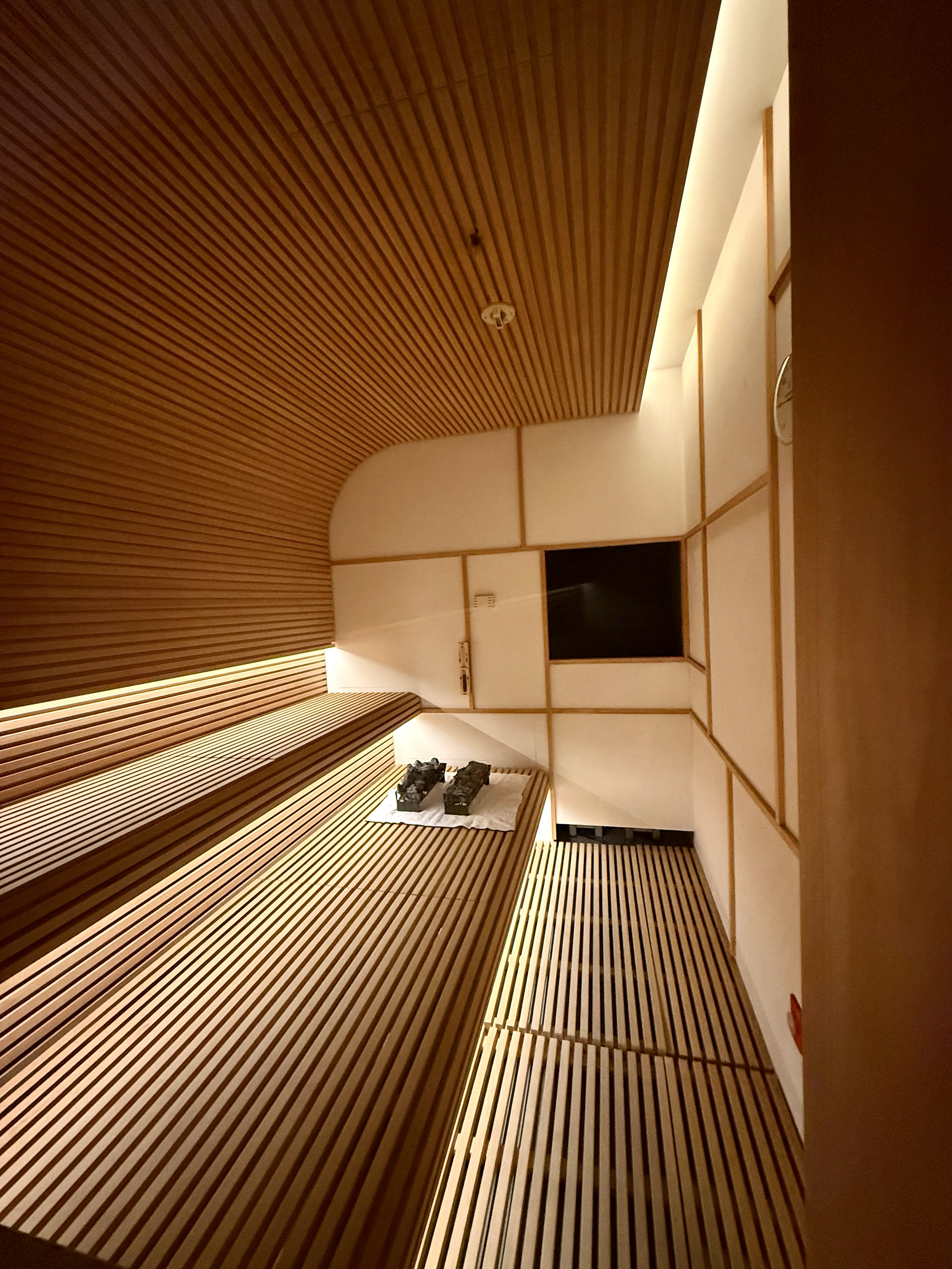
Expect skyline views, beautifully designed rooms, elevated dining experiences, and a strong wellness focus with a spa and indoor pool. The property also features a ryokan-inspired floor for travelers wanting a more traditional Japanese-style stay within a modern luxury setting.
Waldorf Astoria Osaka - Set within Osaka’s sleek Umekita district near Umeda, the hotel brings the brand’s classic luxury approach to a more contemporary Japanese setting. The hotel blends refined interiors, elevated dining, and skyline views with a quieter, residential feel, in contrast to the energy of southern Osaka.
-
Where to Stay Part Two
The St. Regis Osaka - Located along Osaka’s elegant Midosuji Boulevard, The St. Regis Osaka offers a more classic and timeless luxury experience in the heart of the city. The property blends refined interiors, attentive service, and spacious rooms with a quieter atmosphere that feels removed from Osaka’s faster pace.
The hotel is especially known for its personalized butler service, skyline views, and central location between Umeda and Namba, making it easy to explore both sides of the city.
The Ritz-Carlton, Osaka - Blending European-inspired elegance with Japanese hospitality, it feels timeless in a city constantly evolving. Located in the Umeda district, the hotel offers a more traditional luxury experience with grand interiors, attentive service, and a quieter atmosphere compared to Osaka’s trendier lifestyle properties.
Its central location also makes it an excellent base for exploring Osaka or taking day trips throughout the Kansai region.
Conrad Osaka - Perched high above the city in the Nakanoshima district, Conrad Osaka is known for its dramatic skyline views, sleek design, and modern luxury atmosphere. Often referred to as the “address in the sky,” the hotel feels contemporary and elevated from the moment you arrive, with floor-to-ceiling windows framing Osaka in nearly every direction.
The location offers a quieter escape from the city’s busiest neighborhoods while still remaining well connected to Umeda, Dotonbori, and Osaka Station.
-
Things to Do
Umeda Sky Building & Kuchu Teien Observatory - One of Osaka’s most recognizable architectural landmarks, the Umeda Sky Building rises above the city with its futuristic twin-tower design connected by the floating Kuchu Teien Observatory. Located in the Umeda district, the observatory offers sweeping panoramic views across Osaka — especially at sunset when the city begins to glow beneath the skyline.
FOUND Tip: Visit just before golden hour and stay through sunset for the best transition from daytime city views into Osaka’s iconic neon-lit nightscape.
Osaka Castle — at the heart of Osaka’s history — is one of Japan’s most iconic landmarks and a symbol of the city’s resilience and legacy. Originally built in the late 1500s by Toyotomi Hideyoshi during the unification of Japan, the castle has survived wars, fires, and reconstruction while remaining deeply tied to Osaka’s identity.
Surrounded by expansive gardens, massive stone walls, and reflective moats, the castle offers a quieter contrast to the fast pace of the city beyond its gates. While the interior museum highlights Osaka’s historical importance, the real experience is wandering the castle grounds and seeing the skyline rise behind centuries-old architecture.
FOUND Tip: Visit early in the morning for softer crowds and a more peaceful walk through the surrounding park, especially during cherry blossom season when the castle grounds become one of Osaka’s most beautiful scenes.
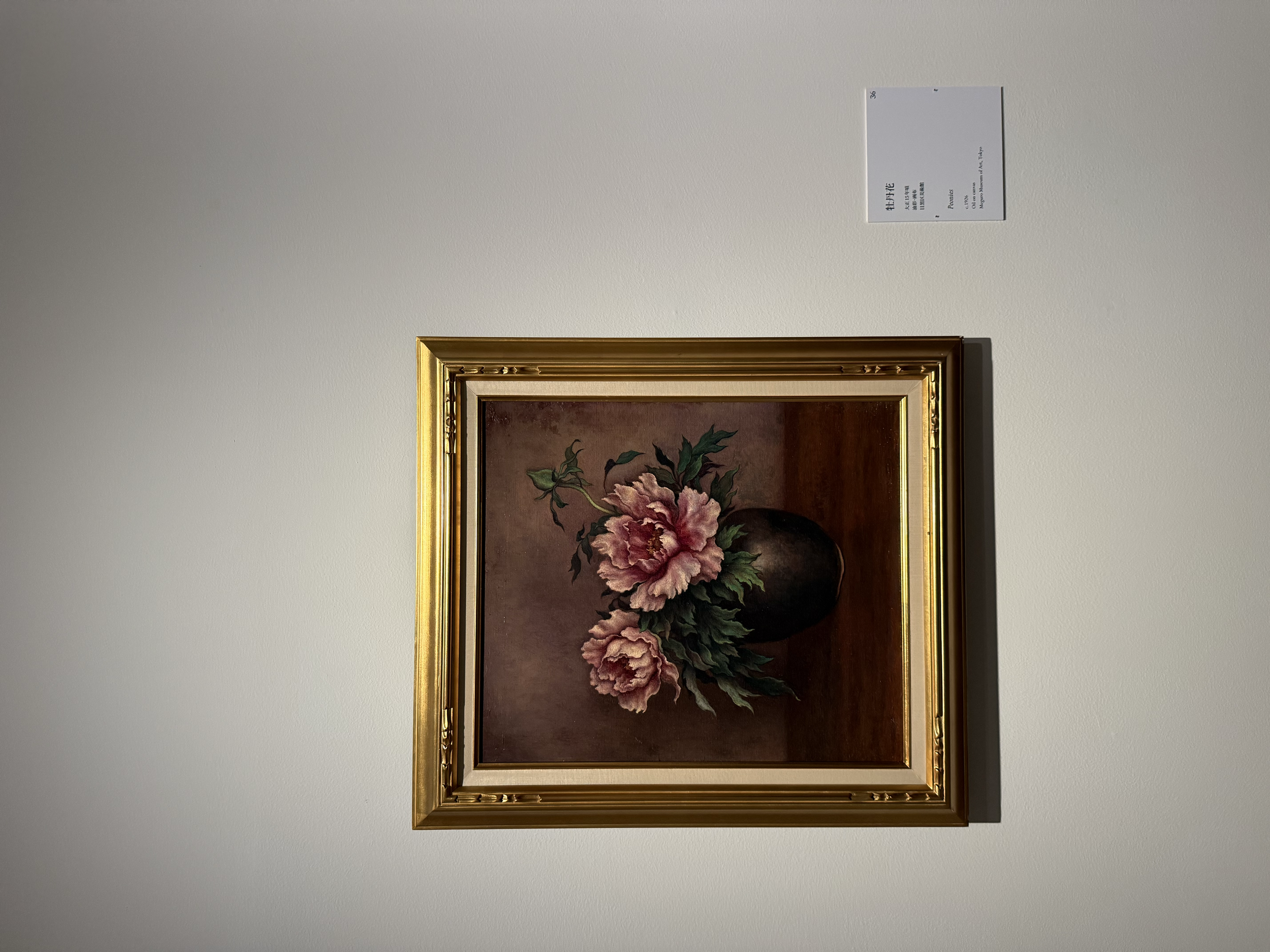
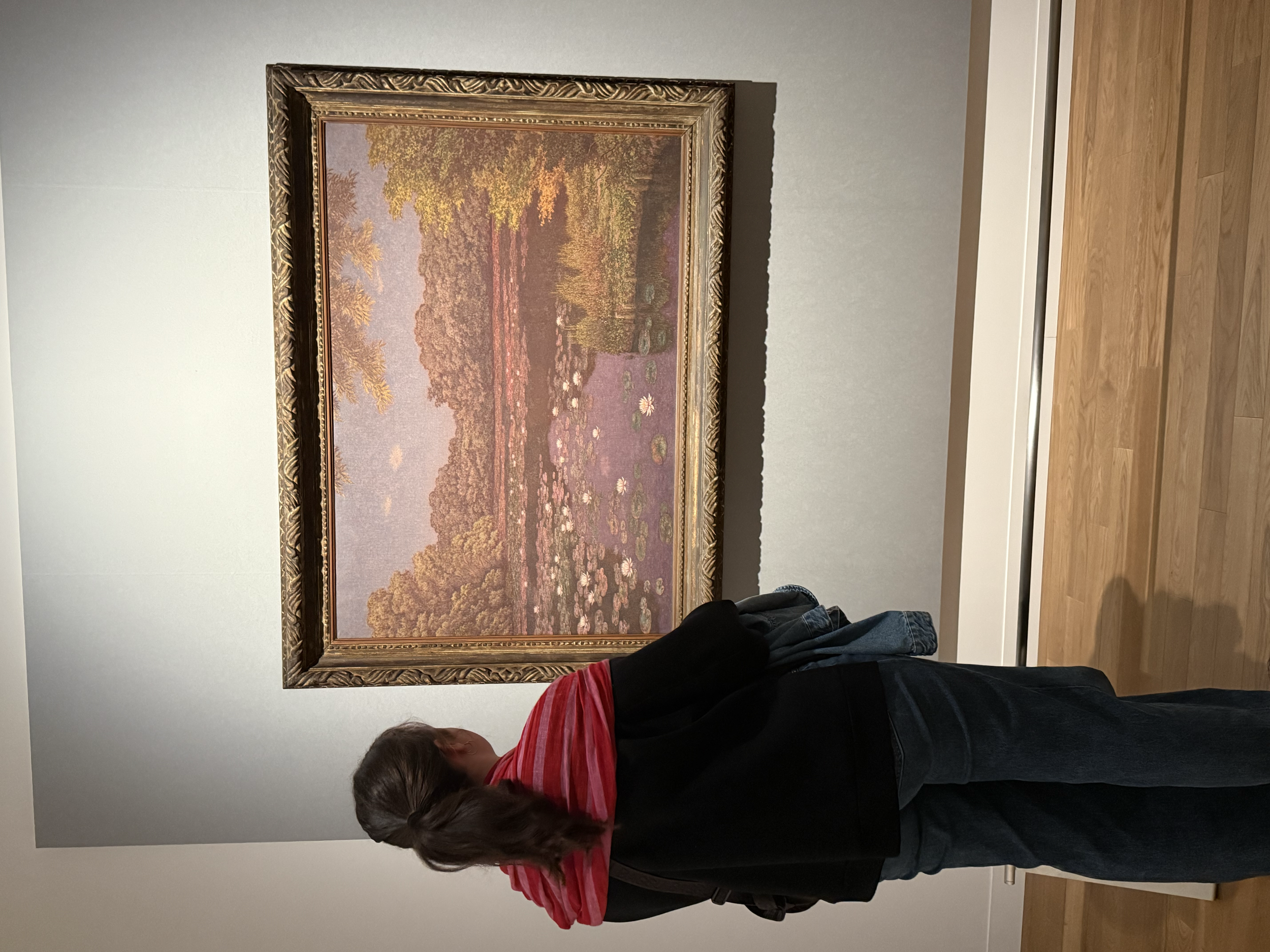
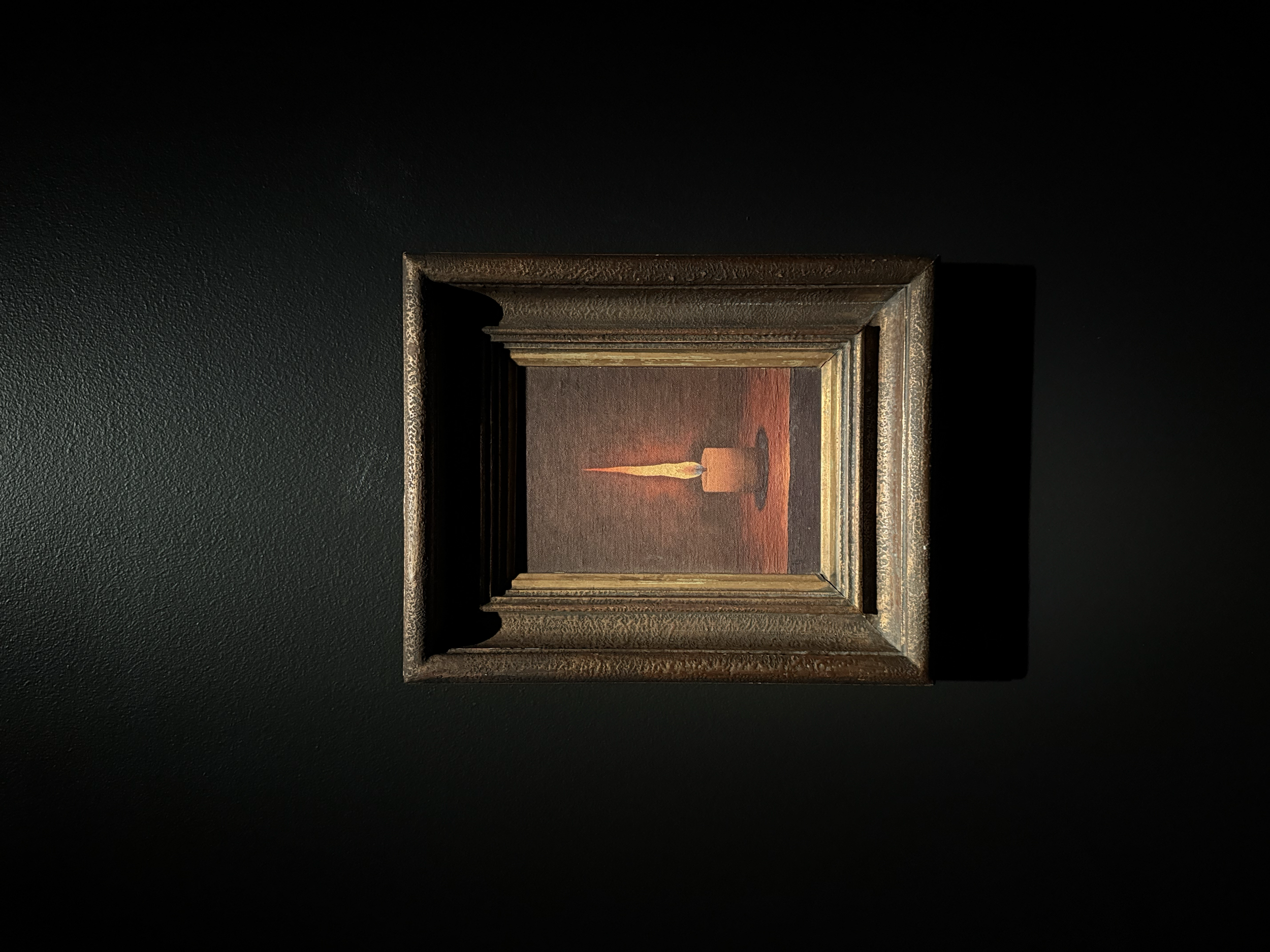
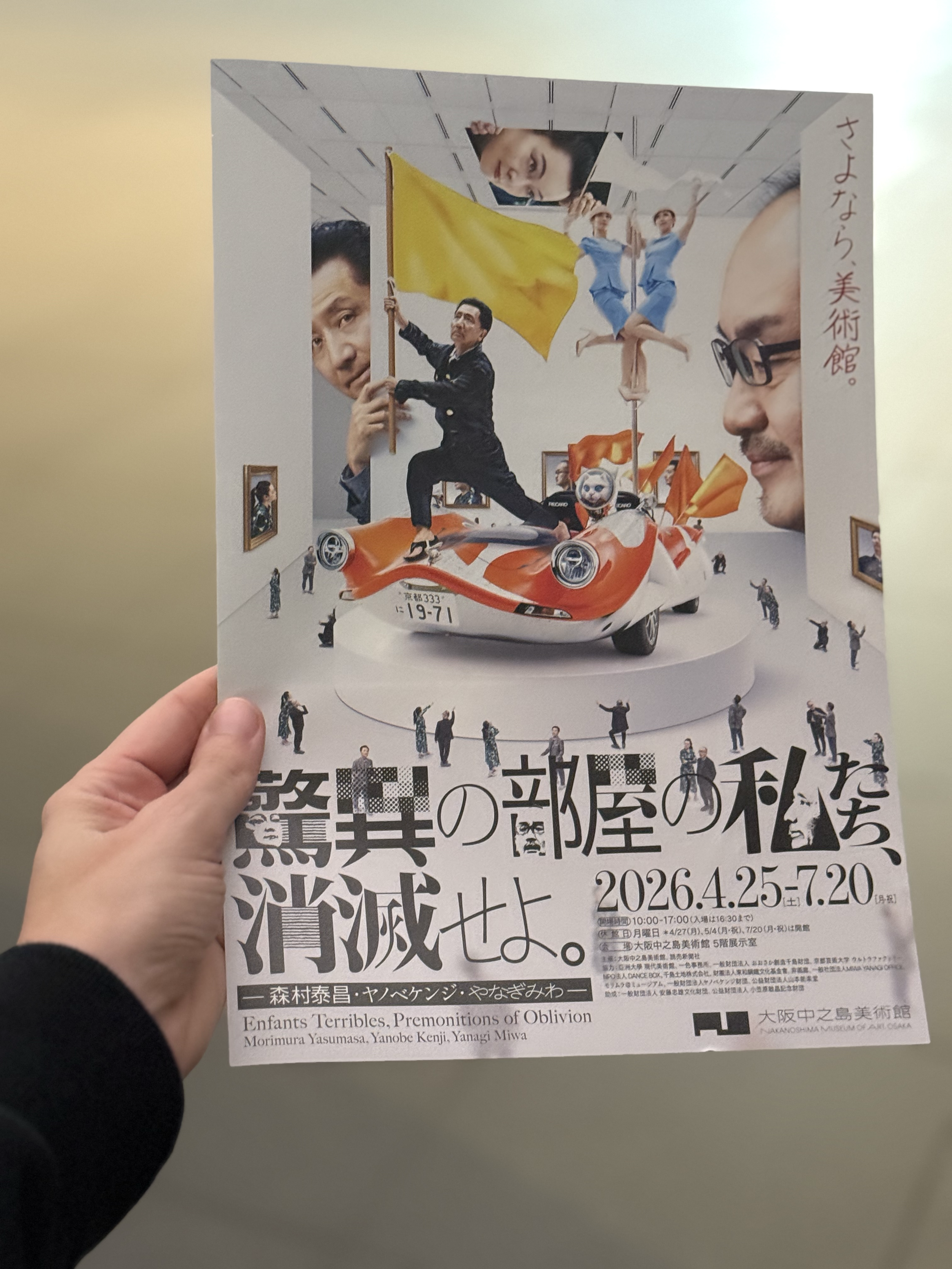
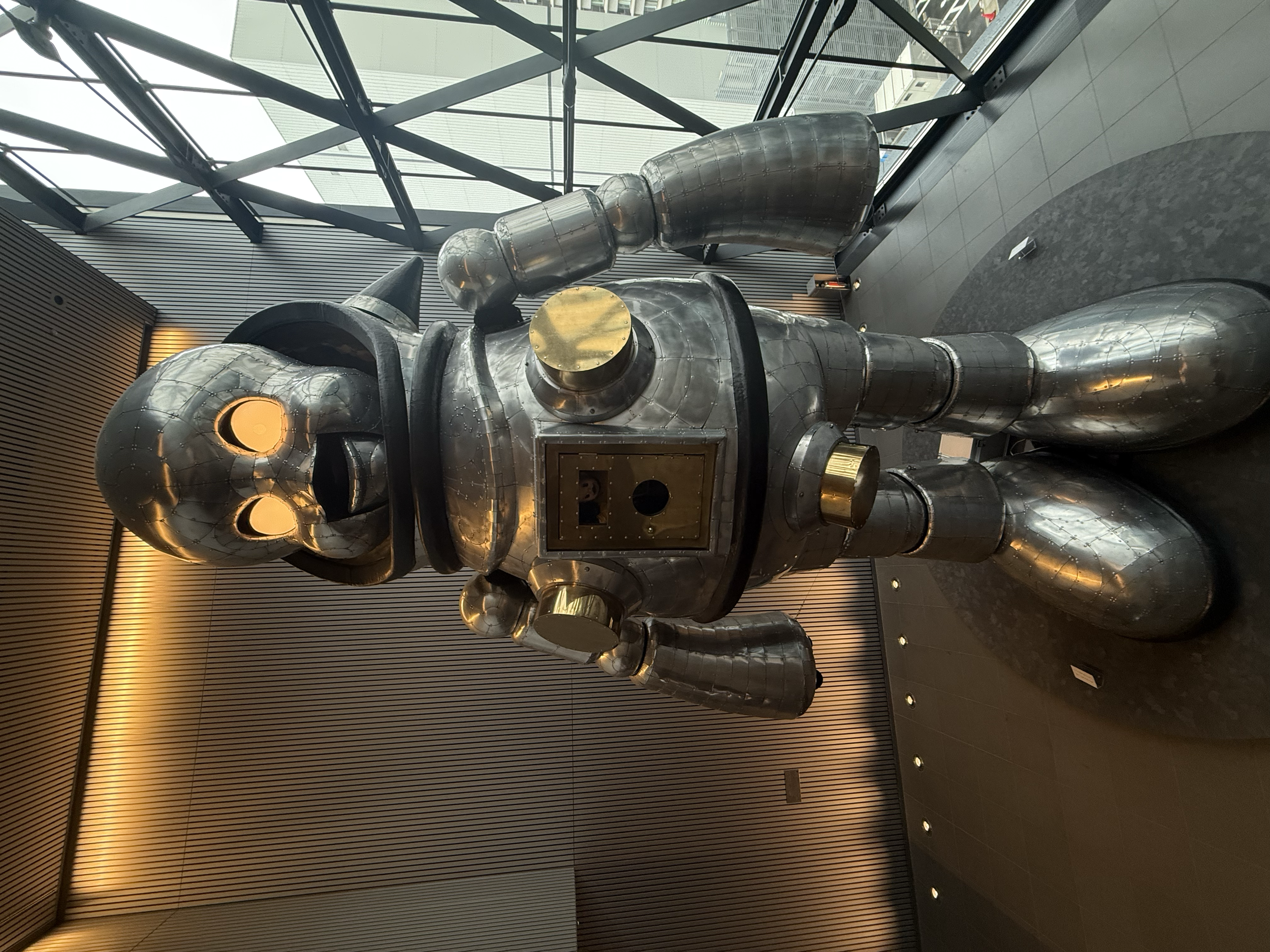
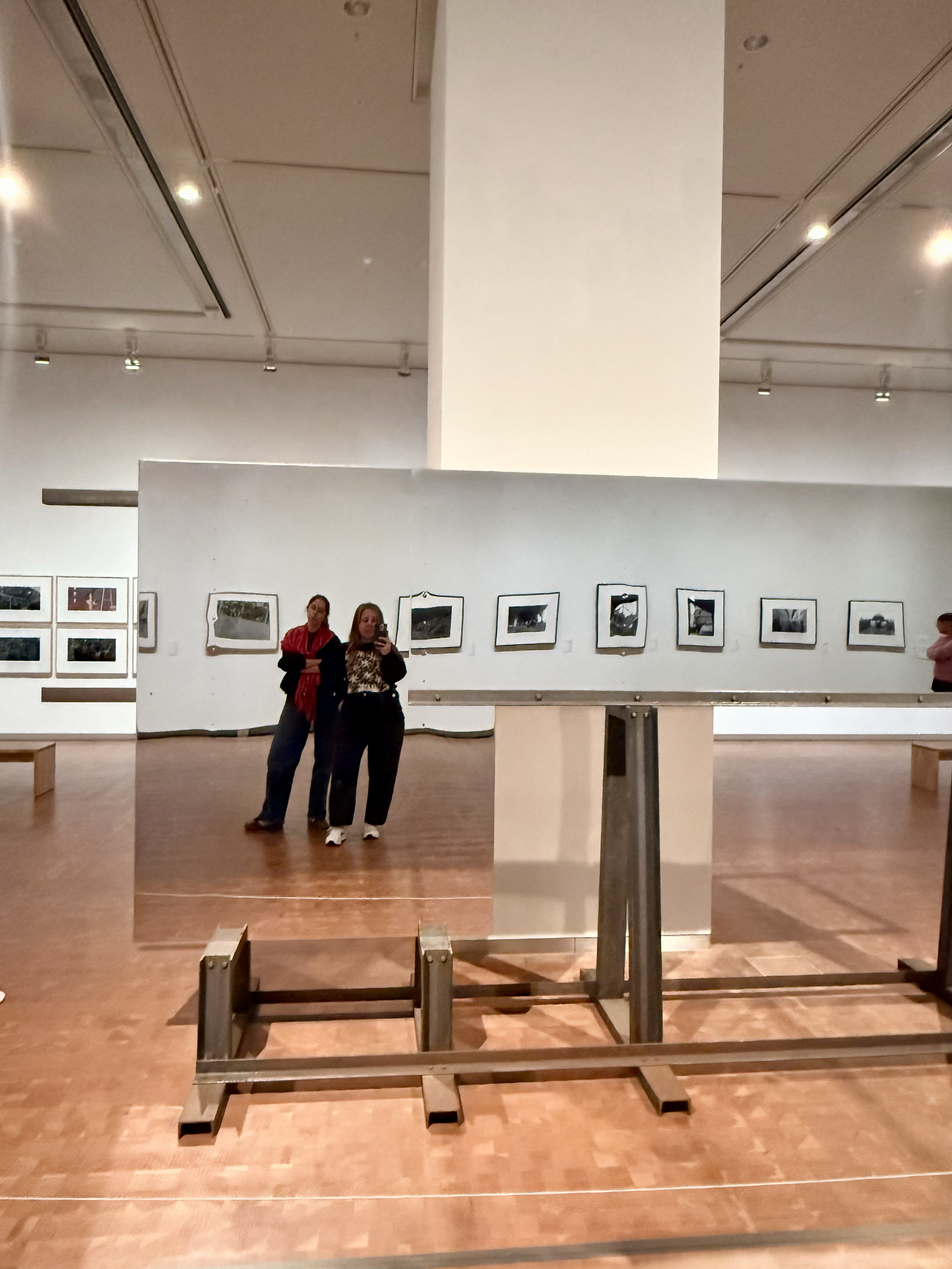
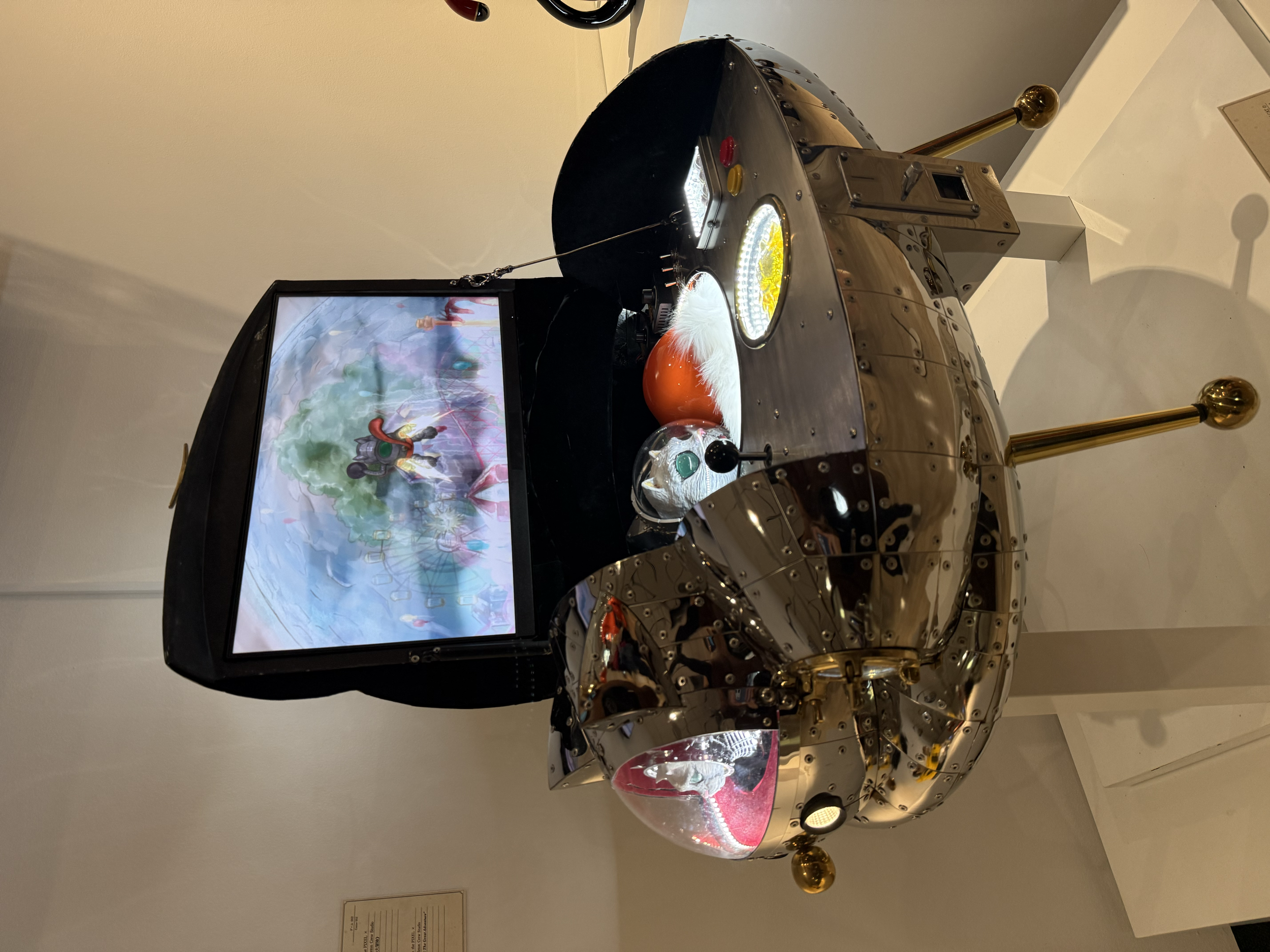
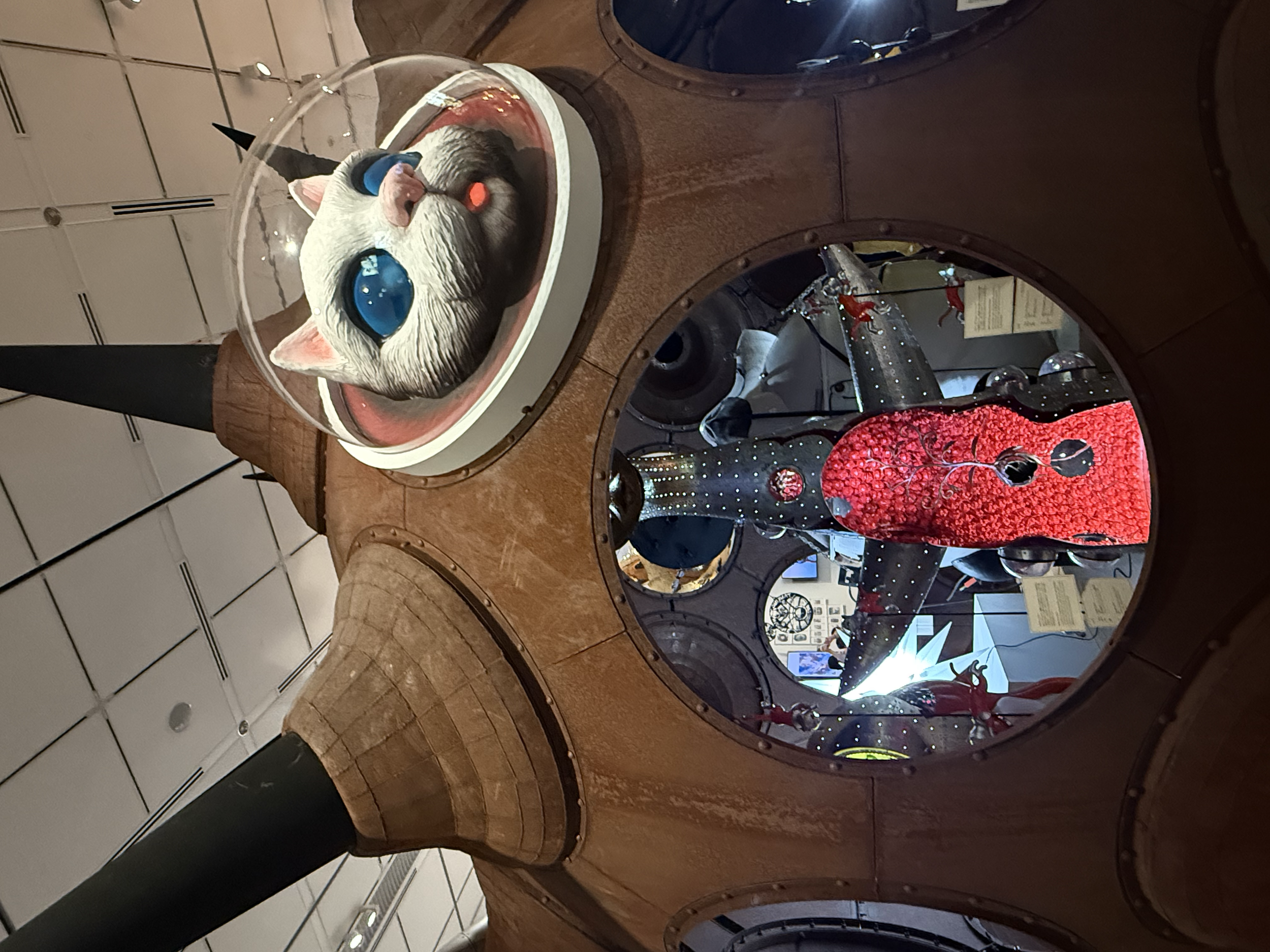
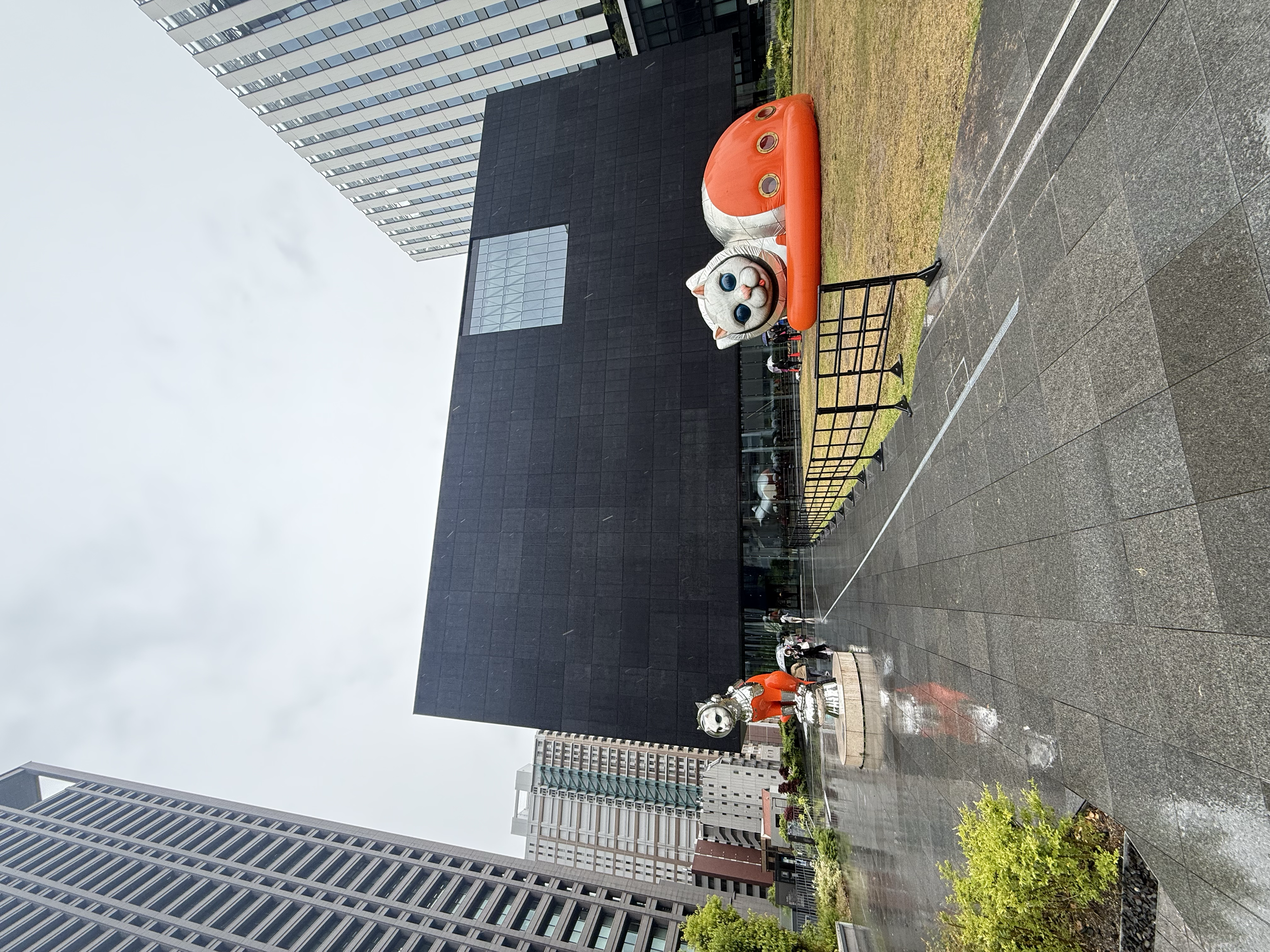
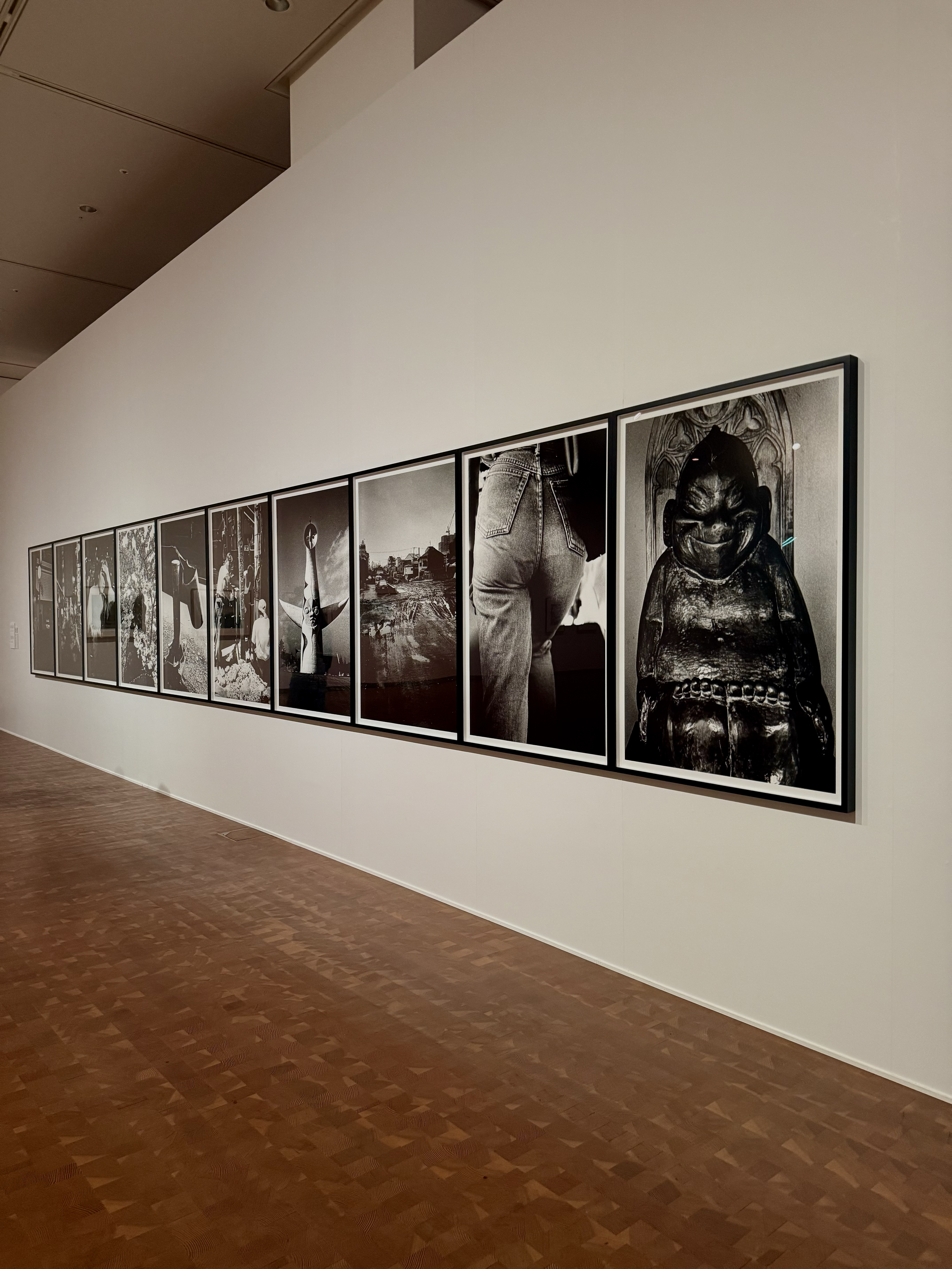
Nakanoshima Museum of Art, Osaka - (NAKKA) - Located in Osaka’s contemporary Nakanoshima district, the museum brings a modern, creative energy to the city’s cultural scene. The striking black, cube-like building feels architecturally bold from the moment you arrive, and it houses rotating exhibitions of modern and contemporary art, design, photography, and fashion.
-
Things to Do Part Two
Nakazakicho - Tucked just north of Umeda, Nakazakicho feels like one of Osaka’s best-kept secrets — a slower, more creative neighborhood filled with narrow alleyways, vintage shops, independent cafés, record stores, and tiny galleries tucked inside preserved traditional buildings.
It’s one of the best areas in Osaka for vintage shopping, especially for travelers looking for Japanese denim, archival fashion, vinyl, home goods, and one-of-a-kind finds.
OFUNE CAMOME - For a more private and elevated way to experience Osaka from the water, we recommend OFUNE CAMOME for charter boat rentals throughout the city. Their cruises offer a quieter and more intimate perspective of Osaka, with pickup available from docks near many hotels and neighborhoods across the city.
FOUND Tip: We recommend scheduling your cruise around sunset and ending in Dotonbori, where the city lights come alive for one of Osaka's most memorable views.
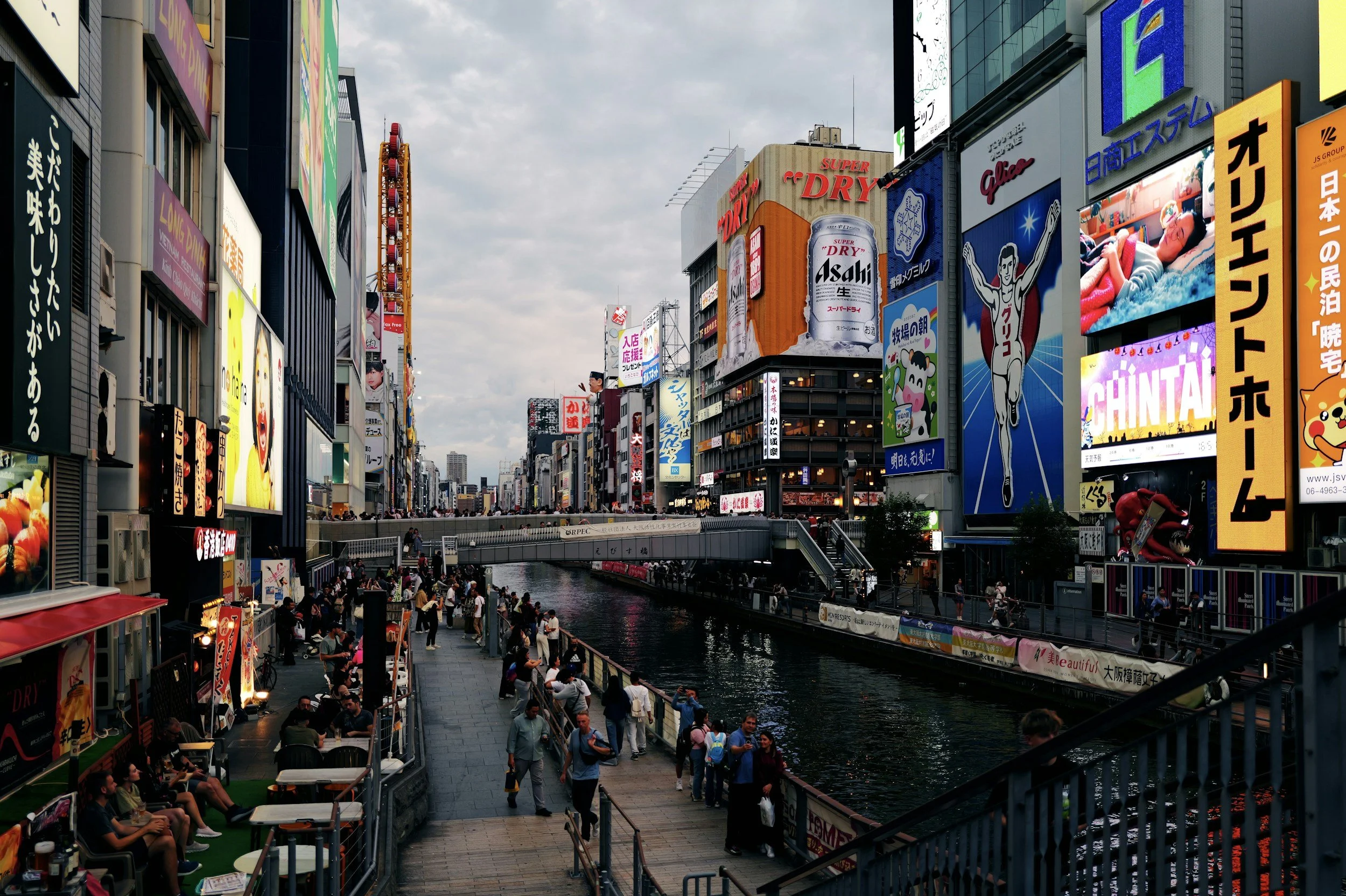
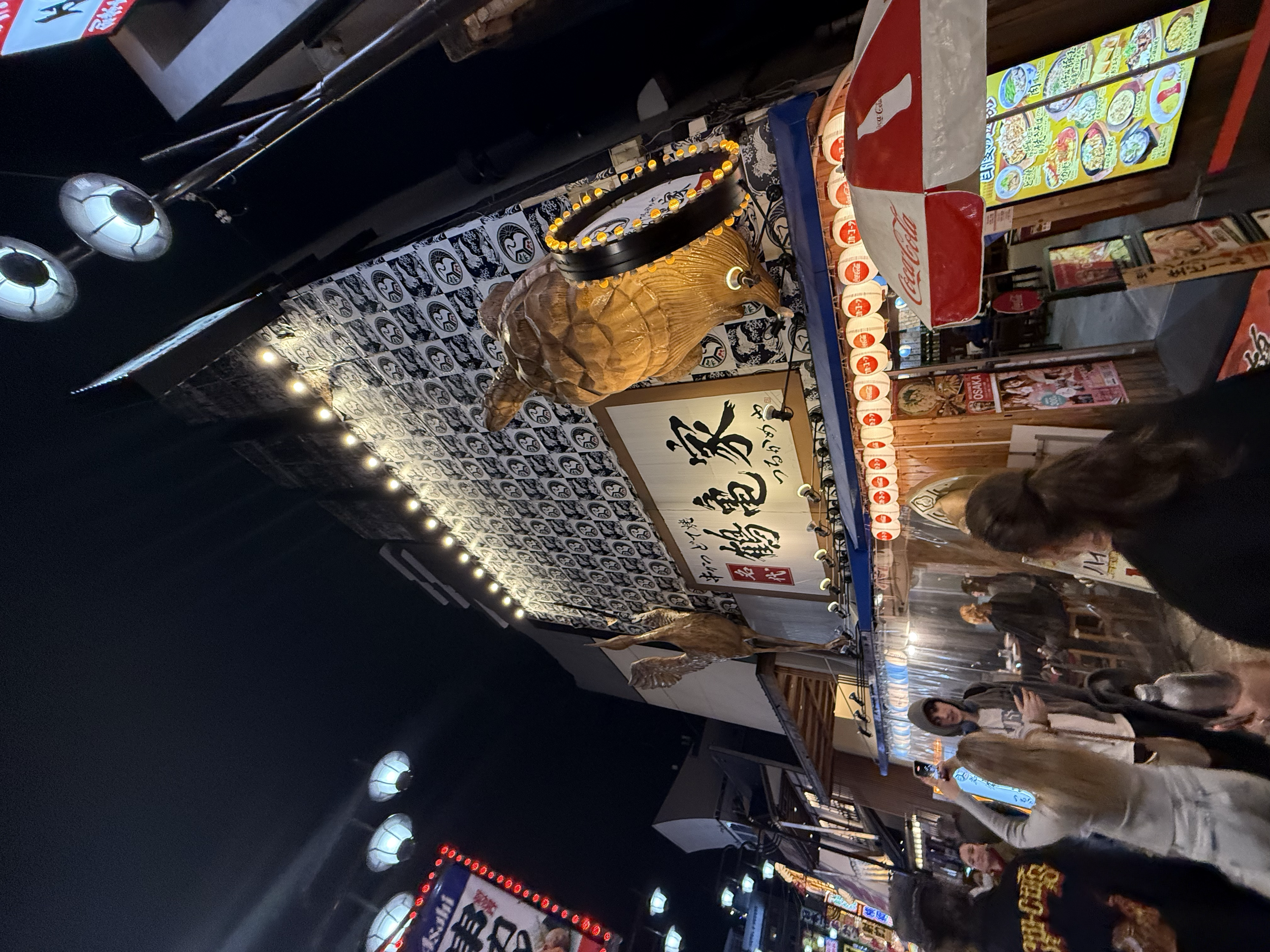
Dotonbori at Night - There’s nowhere in Japan quite like Dotonbori after dark. Neon signs stretch endlessly above the canal, animated 3D billboards glow across the skyline, and the streets pulse with the sounds of sizzling street food, late-night crowds, and music pouring from hidden bars and restaurants. It’s chaotic, energetic, and completely unforgettable — the version of Osaka most travelers imagine before arriving.
From takoyaki stands and grilled skewers to ramen counters tucked into narrow alleyways, this is the heart of Osaka’s food culture and nightlife scene. And of course, no visit is complete without spotting the iconic Glico Running Man Sign glowing above the canal — one of the city’s most recognizable landmarks.
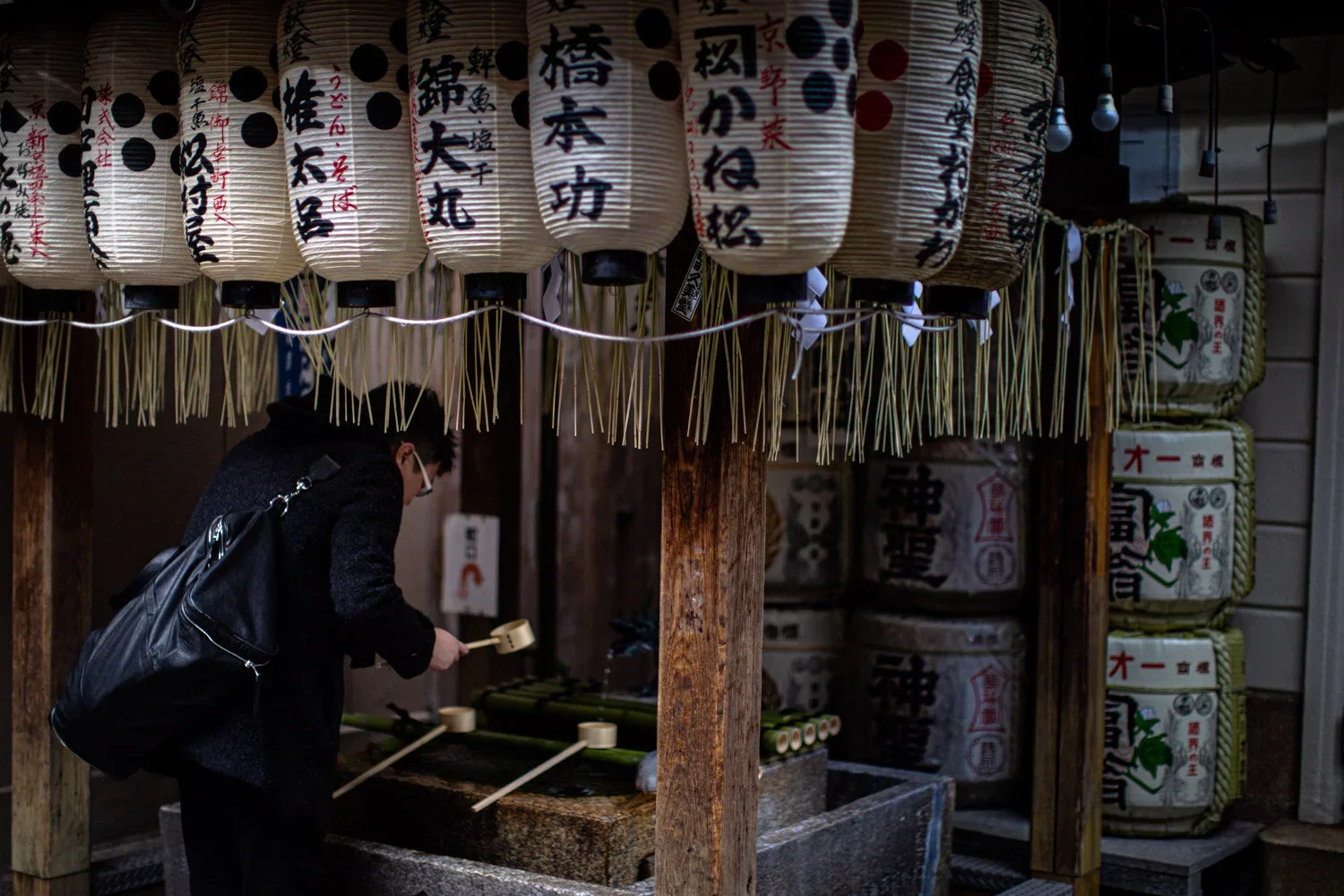
Just a few steps away from the crowds, make time to visit Hozenji Temple, a small lantern-lit temple tucked quietly within the chaos of Dotonbori.
FOUND Tip: Wander beyond the main canal streets into the surrounding alleyways — some of Osaka’s best bars, izakayas, and hidden late-night food spots are tucked just out of sight from the main crowds.
-
Things to Do Part Three
The National Museum of Art, Osaka - Hidden beneath the streets of Nakanoshima, the museum is one of the city’s most distinctive cultural spaces, known for both its striking architecture and contemporary art collections. The museum’s dramatic steel entrance sculpture rises above ground like a futuristic installation, while the galleries themselves sit entirely underground.
FOUND Tip: Pair a visit with nearby Nakanoshima Museum of Art, Osaka to experience both sides of Osaka’s contemporary art and design scene in one afternoon.
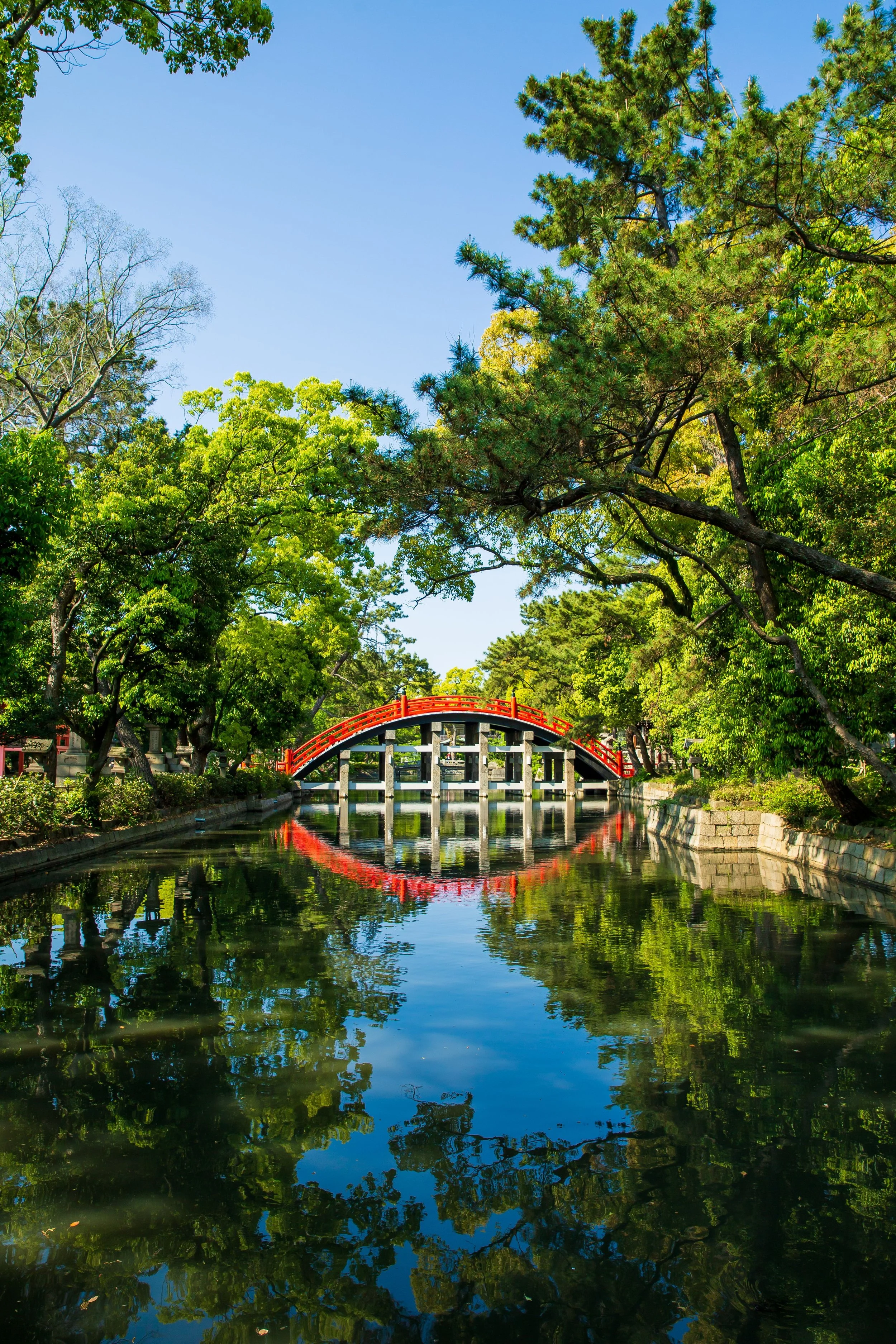
Namba Yasaka Shrine - Tucked within the busy streets of Namba, Namba Yasaka Shrine is one of Osaka’s most visually striking and unexpected landmarks. Best known for its massive lion-head stage, the shrine is believed to swallow evil spirits and bring good fortune, making it a longtime symbol of protection and prosperity within the city.
FOUND Tip: Pair a visit with nearby Hozenji Temple before spending the evening exploring the neon streets and street food scene of Dotonbori.
Shitenno-ji - Founded in 593 AD, Shitenno-ji is considered one of Japan’s oldest Buddhist temples and remains one of Osaka’s most important historical and spiritual landmarks. Originally established by Prince Shotoku, who played a major role in introducing Buddhism to Japan, the temple has a quieter, more reflective atmosphere than the city’s busier attractions.
FOUND Tip: Visit in the morning for a more peaceful experience, then explore nearby Tennoji for coffee shops, local markets, and a different side of Osaka beyond the main tourist districts.
-
Things to Do Part Four
Kuromon Ichiba Market - Known as “Osaka’s Kitchen,” Kuromon Ichiba Market has been at the center of the city’s food culture for over a century. Stretching through narrow covered streets lined with seafood vendors, fruit stands, grilled skewers, sushi counters, and local specialty shops, the market offers one of the best introductions to Osaka’s obsession with food.
FOUND Tip: Arrive hungry and go early in the day before the larger crowds arrive — this is one of the best places in Osaka to sample local specialties all in one place.
Shinsaibashi Shopping District - Shinsaibashi is Osaka’s main shopping district, blending luxury boutiques, Japanese streetwear, vintage fashion, beauty stores, and massive department complexes all within a maze of covered shopping streets and side alleys. The energy here feels younger and more playful than Tokyo’s luxury-focused districts, with global brands sitting alongside independent Japanese labels and hidden vintage shops.
FOUND Tip: Pair shopping in Shinsaibashi with nearby Orange Street and Amerikamura for a mix of vintage fashion, Japanese streetwear, design shops, cafés, and Osaka’s younger creative culture.
Head Spa Kuu - For a slower and more restorative side of Osaka, book a treatment at Head Spa Kuu — a calming Japanese-style head spa experience focused on scalp care, massage, and relaxation. Known for its soothing atmosphere and meticulous treatments, the experience feels less like a traditional salon visit and more like a wellness ritual.
We rate this a 10/10 experience.
-
Things to Do Part Five
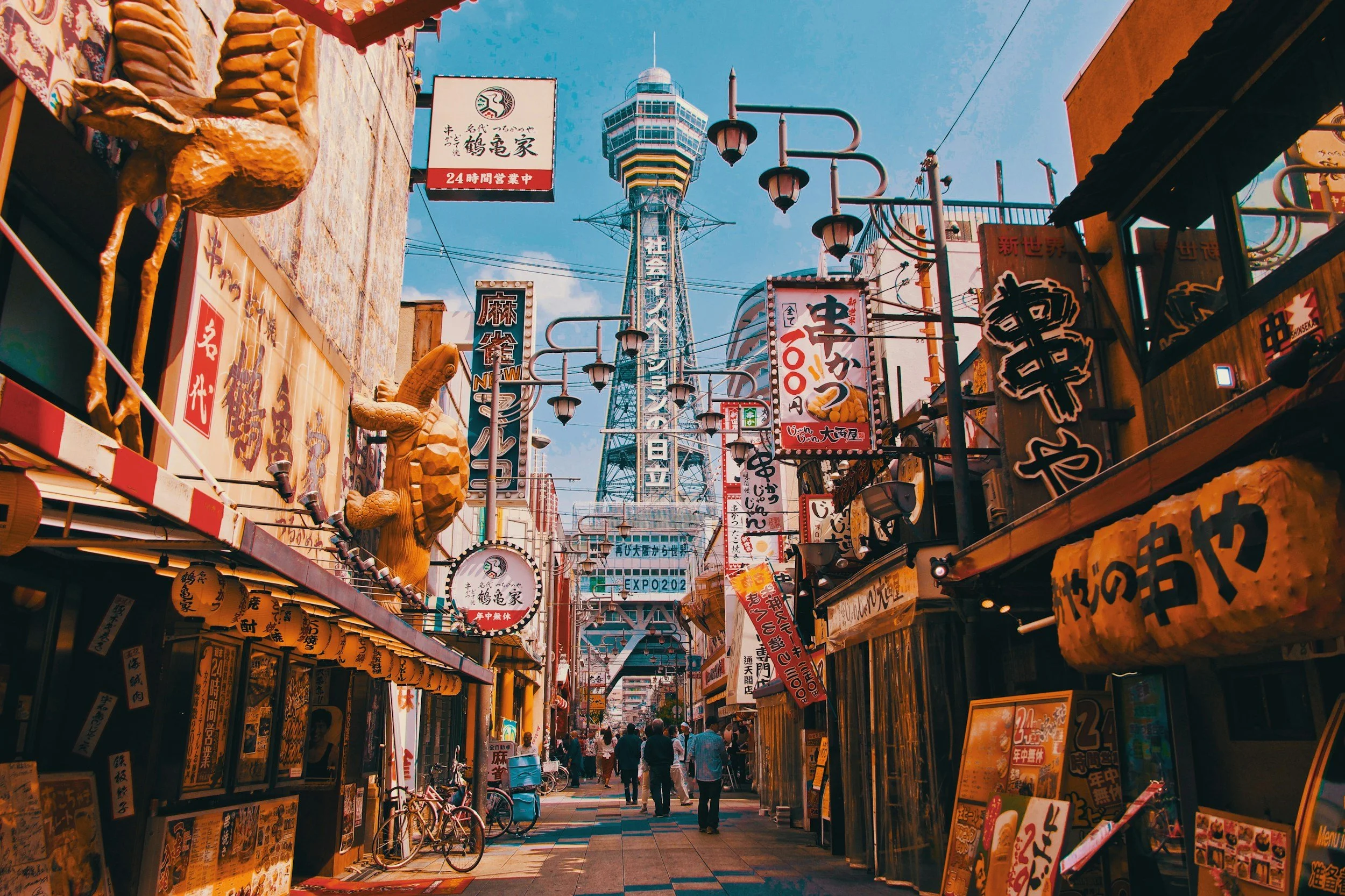
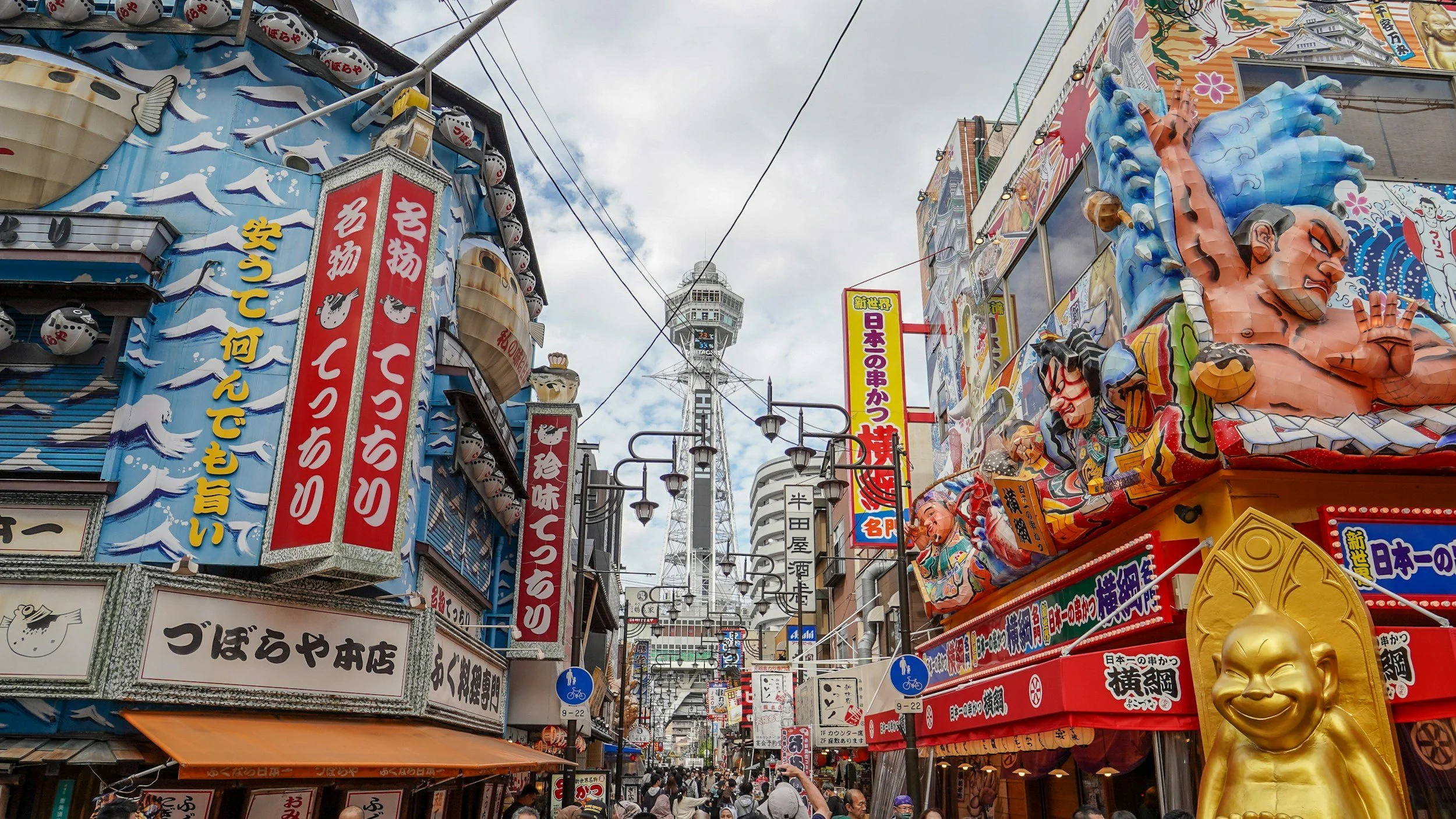
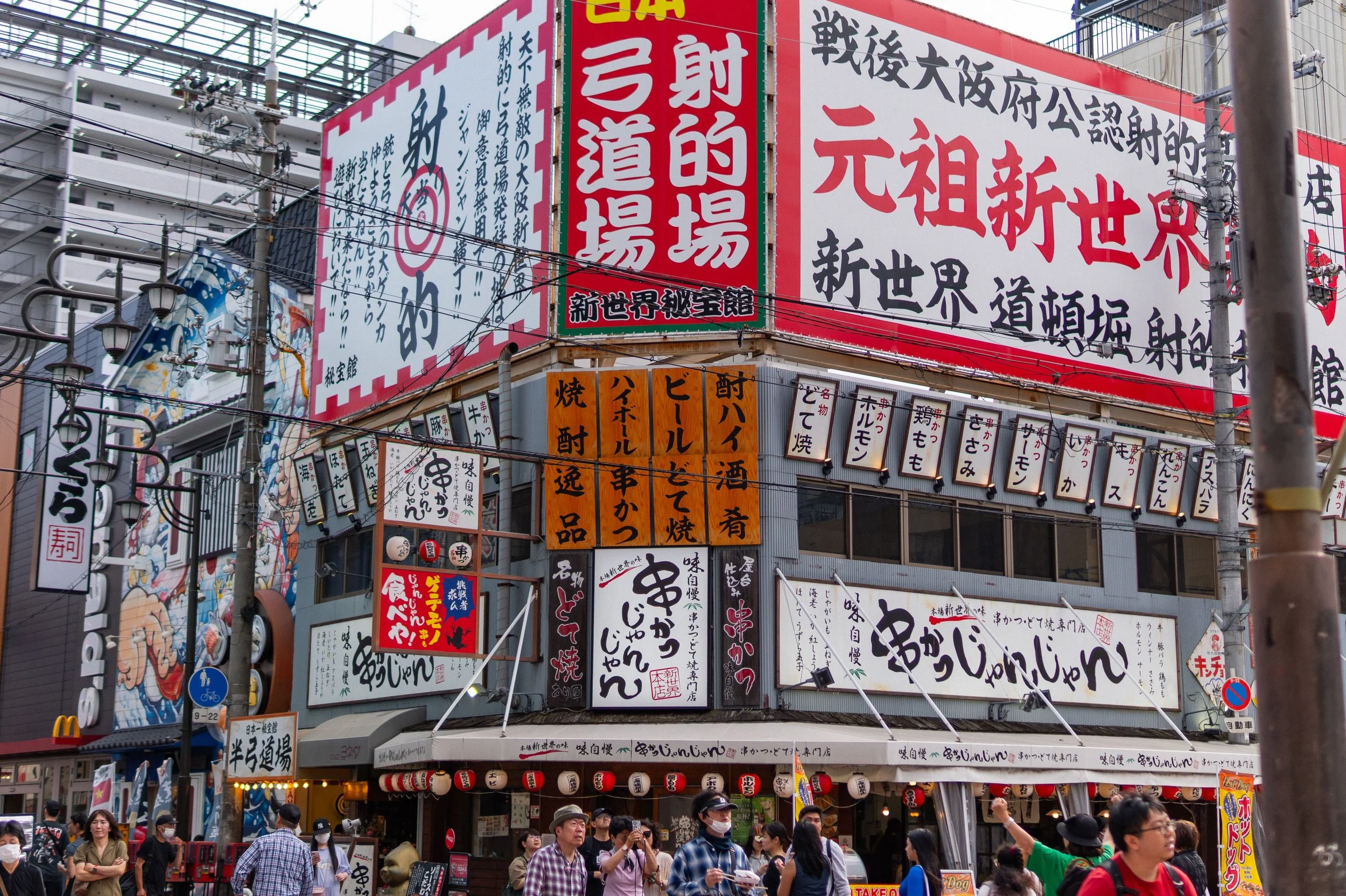
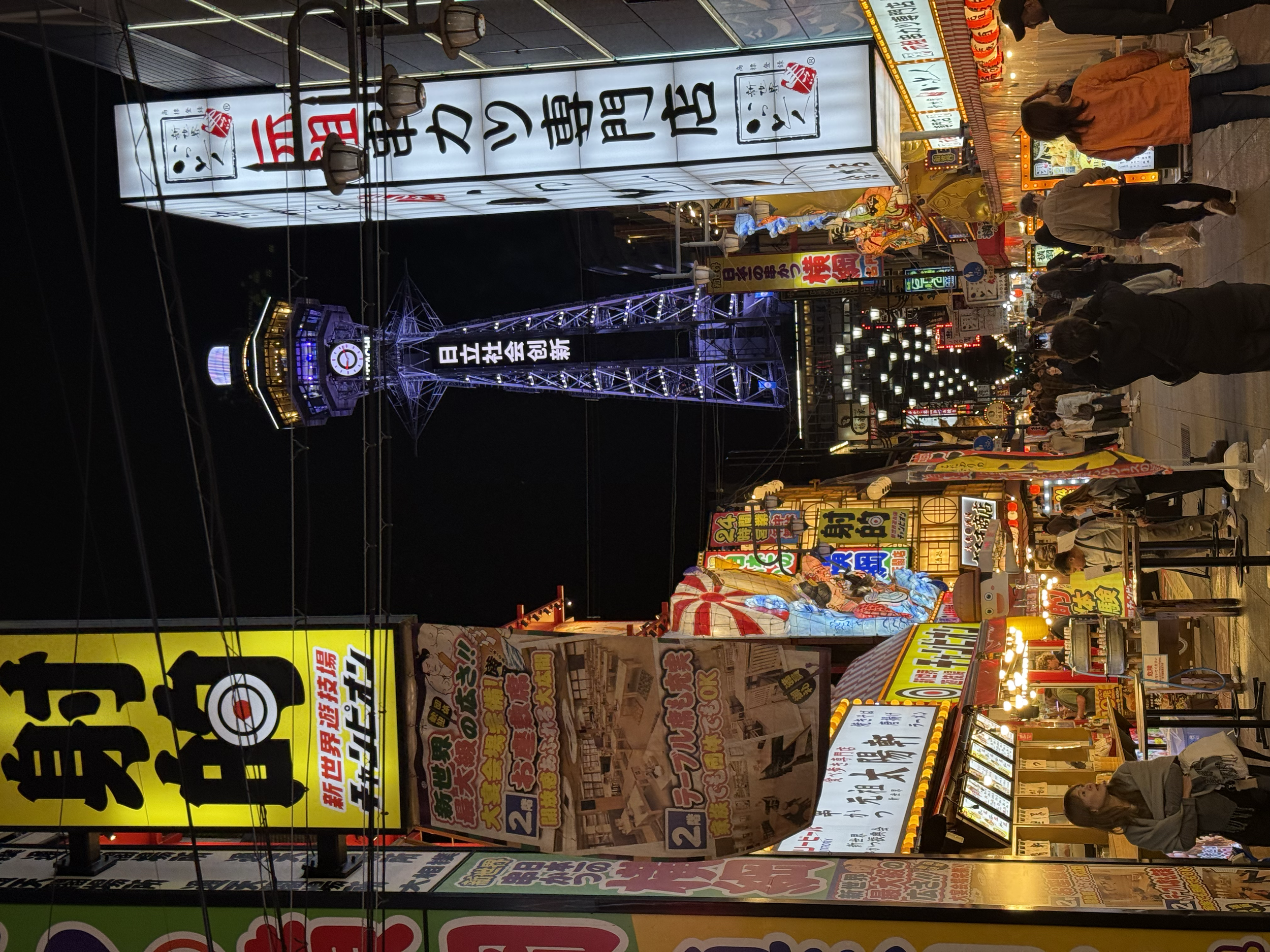
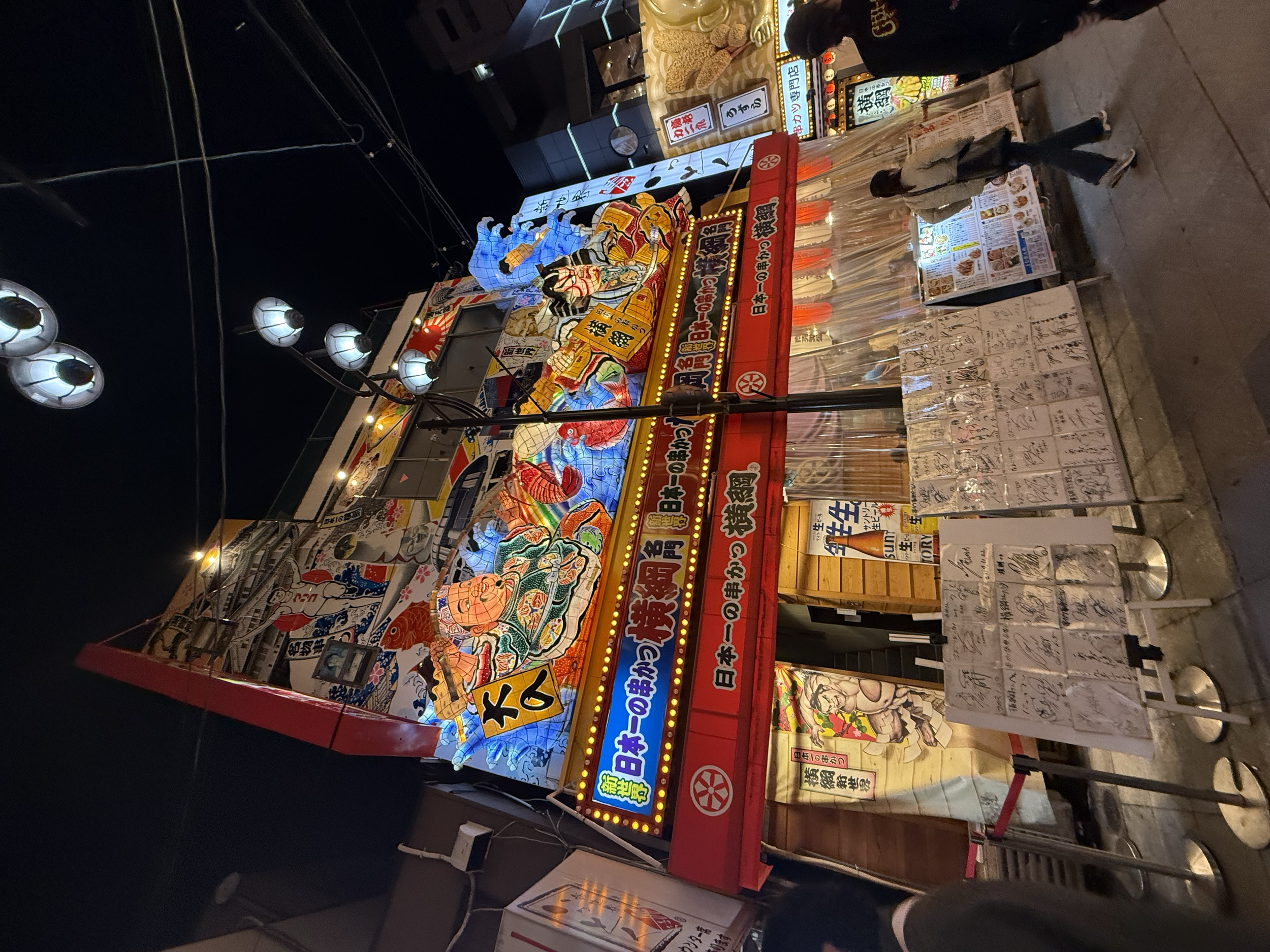
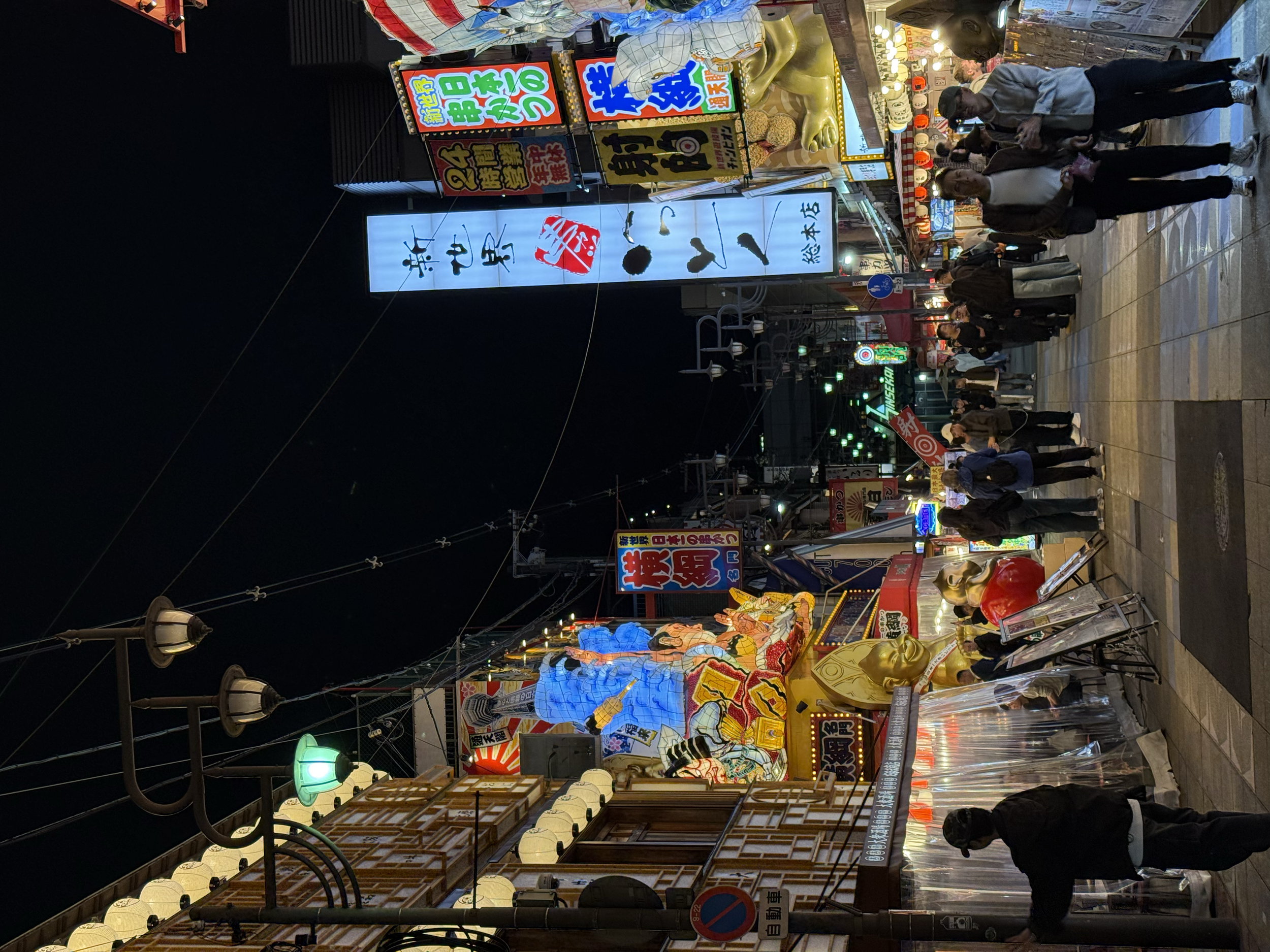
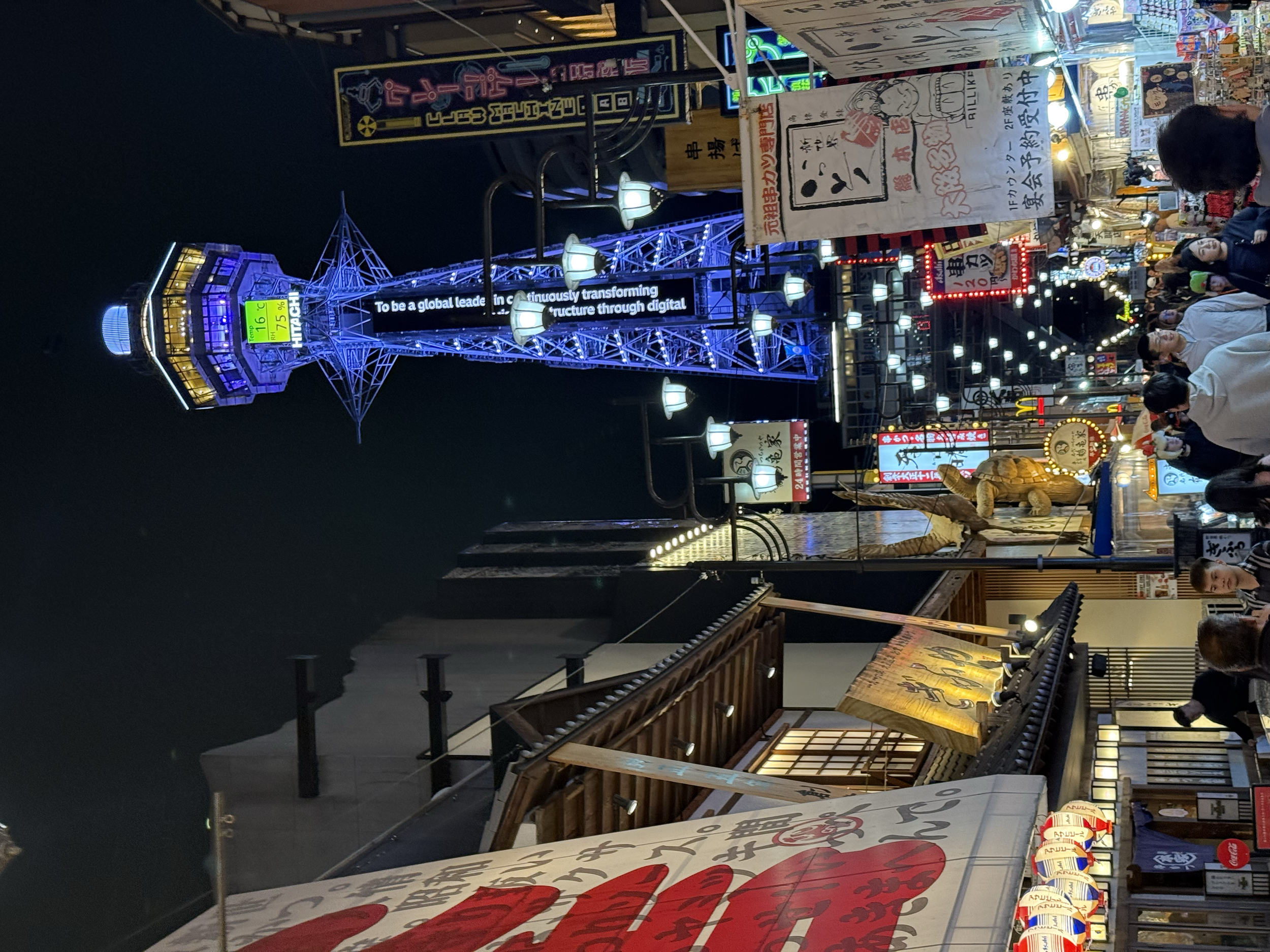
Shinsekai at Night - At night, Shinsekai feels like stepping into a different era of Osaka — a nostalgic pocket of the city filled with glowing retro neon, old-school arcade games, tiny bars, kushikatsu restaurants, and narrow streets buzzing with energy. Centered around the iconic Tsutenkaku tower, the neighborhood carries a gritty charm that feels intentionally untouched compared to Osaka’s more modern districts.
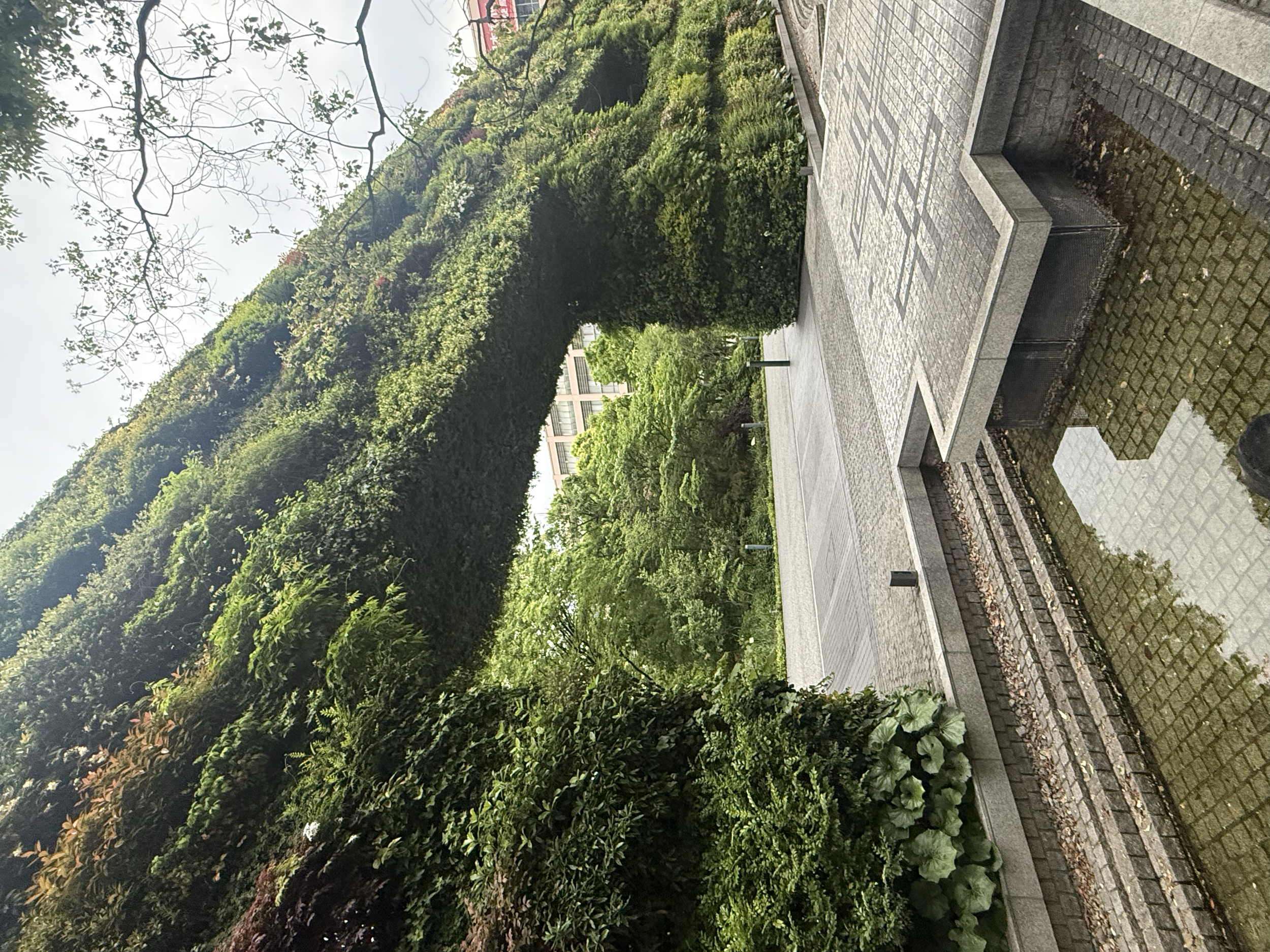
Osaka Station City - More than just a transportation hub, Osaka Station City sits at the center of Osaka’s modern energy — surrounded by luxury shopping, restaurants, rooftop spaces, and some of the city’s newest developments. The area around the station, particularly Grand Front Osaka and the newer Umekita district, blends sleek architecture with green public spaces, giving this side of the city a more contemporary, open feel.
Nishikawa Daimaru Shinsaibashi - For a uniquely Japanese luxury experience, visit Nishikawa Daimaru Shinsaibashi to create a custom pillow tailored specifically to your sleep style and body alignment. Known as one of Japan’s most respected bedding and wellness brands, Nishikawa uses detailed measurements and consultations to customize pillow height, firmness, and support.
FOUND Tip: Appointments are recommended, especially during busier travel seasons or weekends in Shinsaibashi.
-
Things to Do Part Six
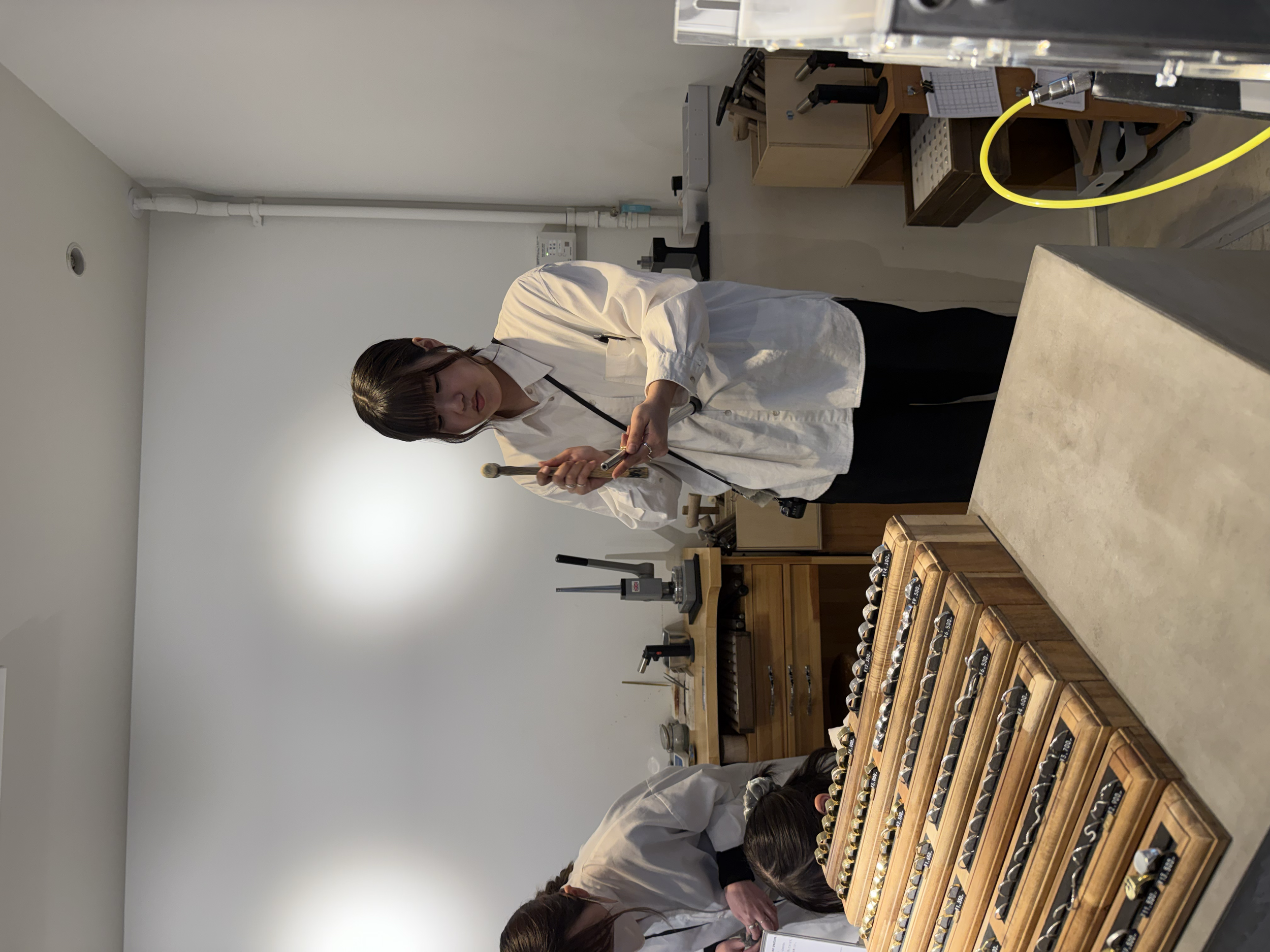
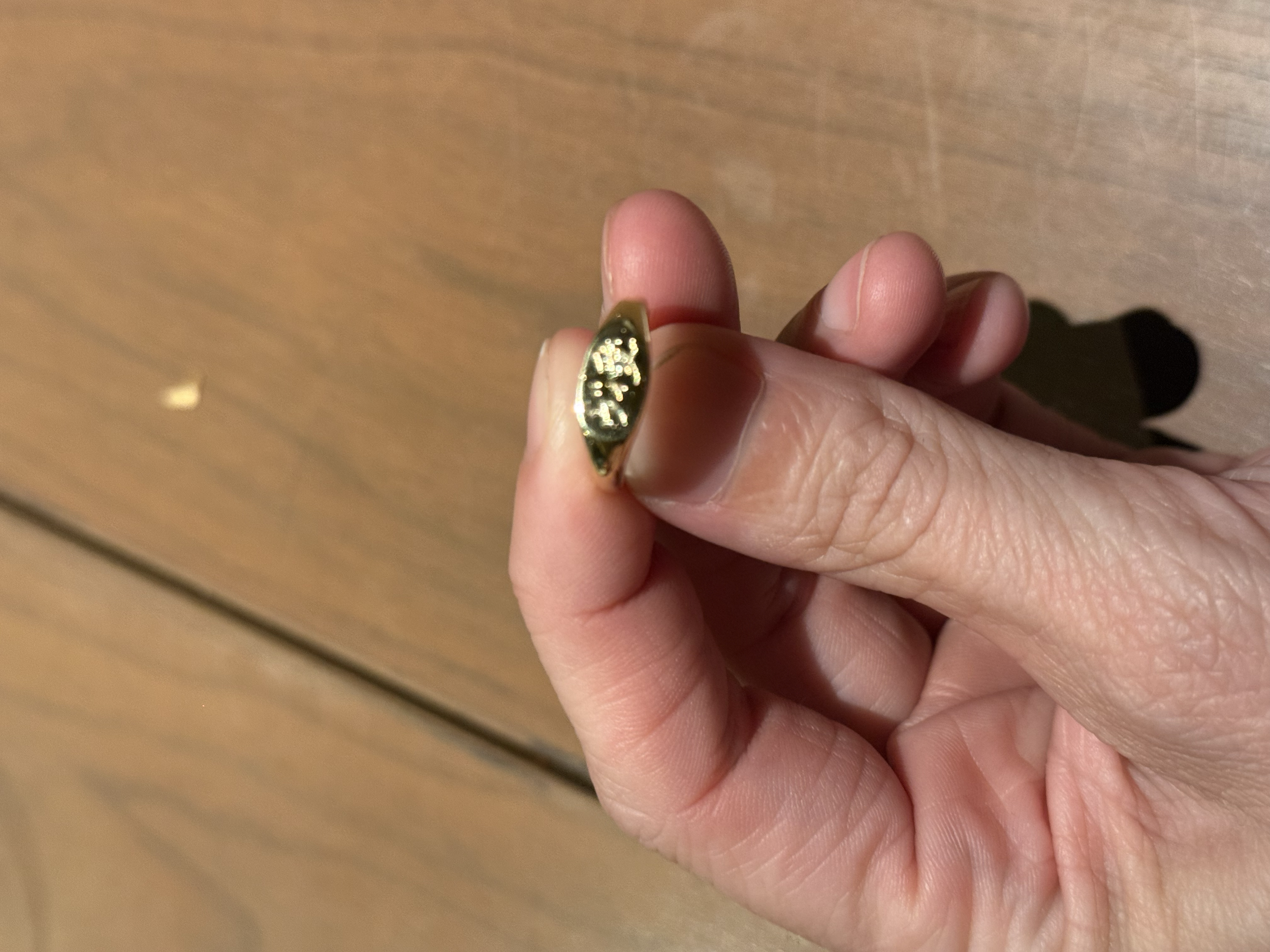
glänta - For a more personal and hands-on souvenir from Osaka, visit glänta to design a custom piece of jewelry during an interactive workshop experience. Known for its minimalist Japanese aesthetic, the studio allows guests to create handcrafted rings, bracelets, or necklaces using simple traditional techniques guided by the staff.
Universal Golf Land - For a more playful and unexpected night in Osaka, Universal Golf Land blends retro Japanese entertainment culture with multi-level driving ranges, arcade-style energy, and skyline views across the city. The atmosphere feels distinctly local and offers a fun break from traditional sightseeing or nightlife.
Hanshin Tigers Baseball Game - Experiencing a Hanshin Tigers game is one of the most fun and unexpectedly memorable nights you can have in Osaka. Whether attending a game at Kyocera Dome Osaka or making the trip to the legendary Koshien Stadium, Japanese baseball feels completely different from games in the U.S. — incredibly organized, energetic, and deeply rooted in local culture.
FOUND Tip: Grab local stadium snacks (bento boxes) and a beer, and lean into the full experience — Japanese baseball games are as much about the atmosphere and traditions as the game itself.
-
Things to Do Part Seven
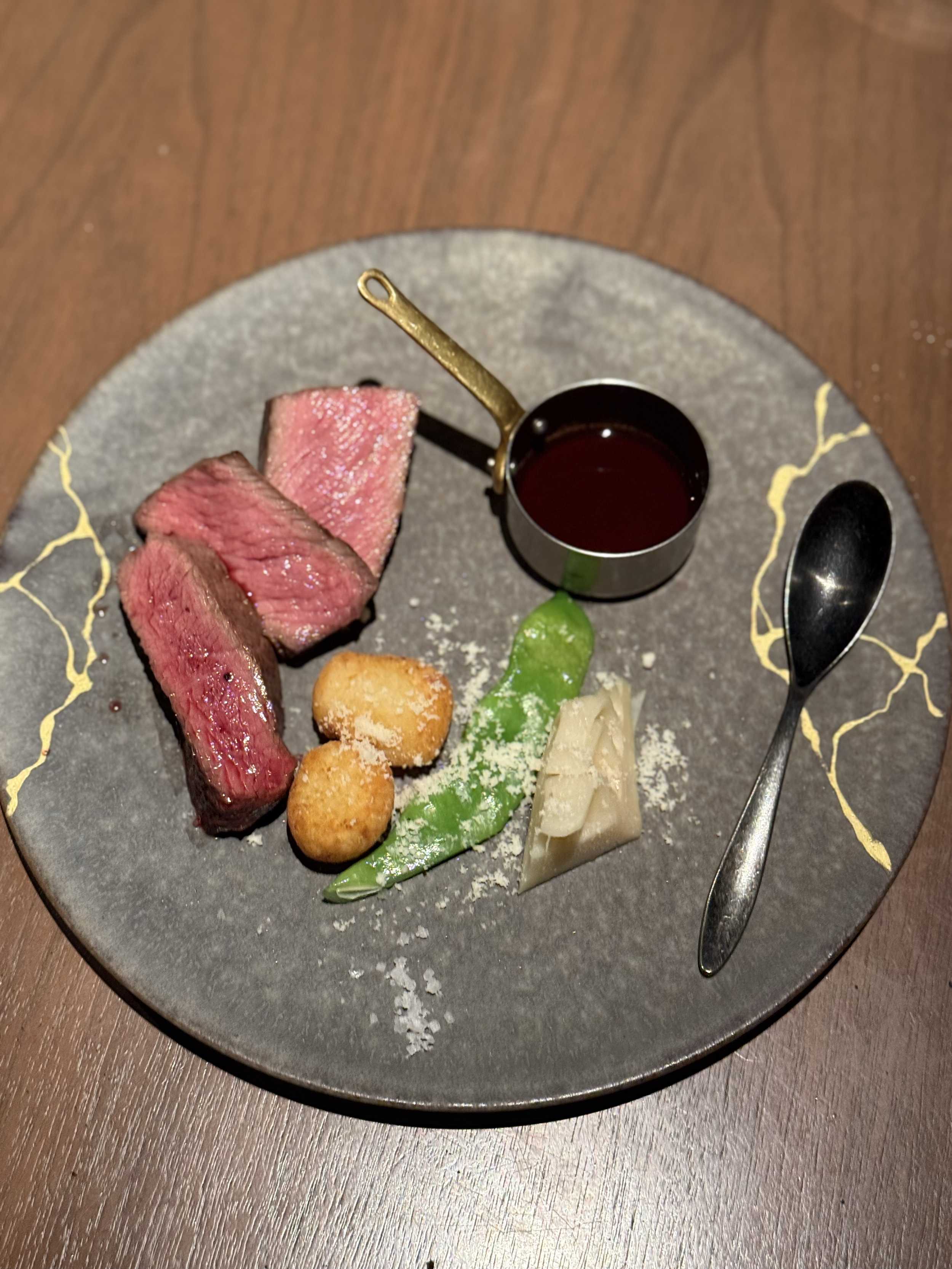
Day Trip to Kobe - Just under 30 minutes from Osaka by train, Kobe makes for one of the easiest and most worthwhile day trips in the Kansai region. Known for its waterfront setting, international influence, luxury shopping, and world-famous Kobe beef, the city feels noticeably calmer and more refined than Osaka's energy.
Spend the day wandering through the harbor district, exploring the charming streets of Kitano lined with historic Western-style homes, or enjoying cafés and boutiques tucked into the hillside neighborhoods. Kobe also offers a more relaxed dining scene, with everything from elevated teppanyaki experiences to intimate cocktail bars overlooking the water.
Day Trip to Nara - Less than an hour from Osaka, Nara offers a quieter and more historic contrast to the city’s neon energy. As Japan’s first permanent capital, Nara is known for its ancient temples, peaceful parks, and deep cultural significance woven throughout the city.
Most visitors come to experience Nara Park, where hundreds of freely roaming deer wander through temple grounds and tree-lined pathways. Beyond the deer, the city is home to some of Japan’s most important historic sites, including Todai-ji and its massive bronze Buddha statue housed within one of the world’s largest wooden buildings.
FOUND Tip: Arrive as early in the morning as possible to experience the parks and temples before larger tour groups begin arriving from Kyoto and Osaka.
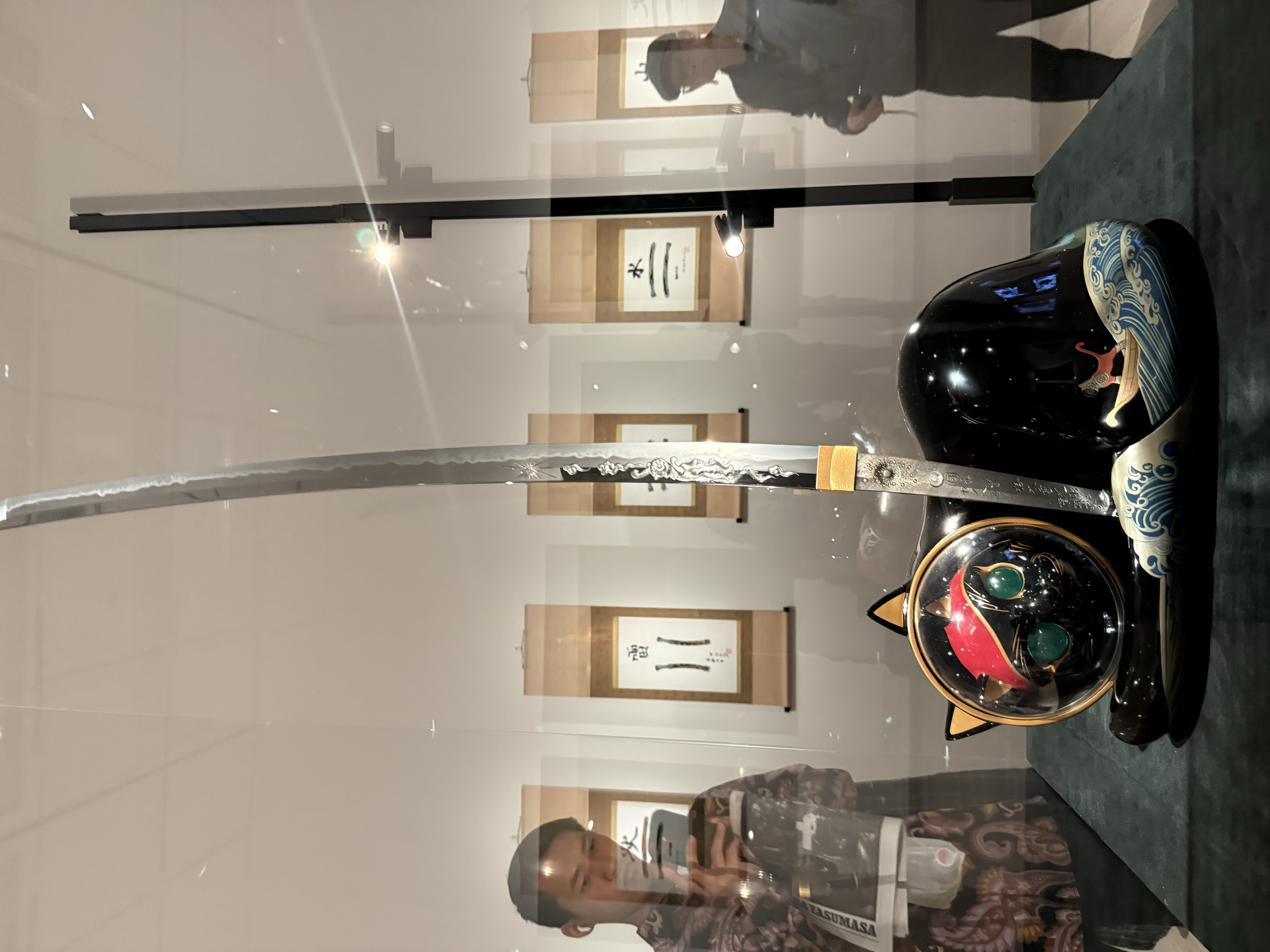
Wada Shouten - For one of the most unique hands-on experiences in Osaka, visit Wada Shouten to create your own custom Japanese knife. Known for traditional craftsmanship and high-quality Japanese steel, the experience offers travelers a deeper look into Japan’s culinary and artisan culture beyond restaurants and markets.
The workshop allows guests to customize and finish their own knife while learning about the techniques and precision that make Japanese knives so respected worldwide. It’s both an immersive cultural experience and an incredibly meaningful souvenir to bring home from Japan.
-
Where to Eat & Drink
Osaka has long been known as “Japan’s Kitchen” — a city built around food culture, late-night dining, and the belief that some of the best travel experiences happen around a counter seat with a drink in hand. Compared to Tokyo or Kyoto, dining in Osaka feels more casual, energetic, and approachable. Tiny alleyway izakayas sit beside Michelin-starred tasting menus, while neon-lit ramen shops stay busy long after midnight.
The city rewards curiosity. Some of the best meals happen without reservations, tucked beneath train tracks or hidden behind unmarked doors. Whether you’re chasing street food through Dotonbori, sipping cocktails above the skyline in Umeda, or discovering intimate omakase counters, Osaka is a city best explored through appetite.
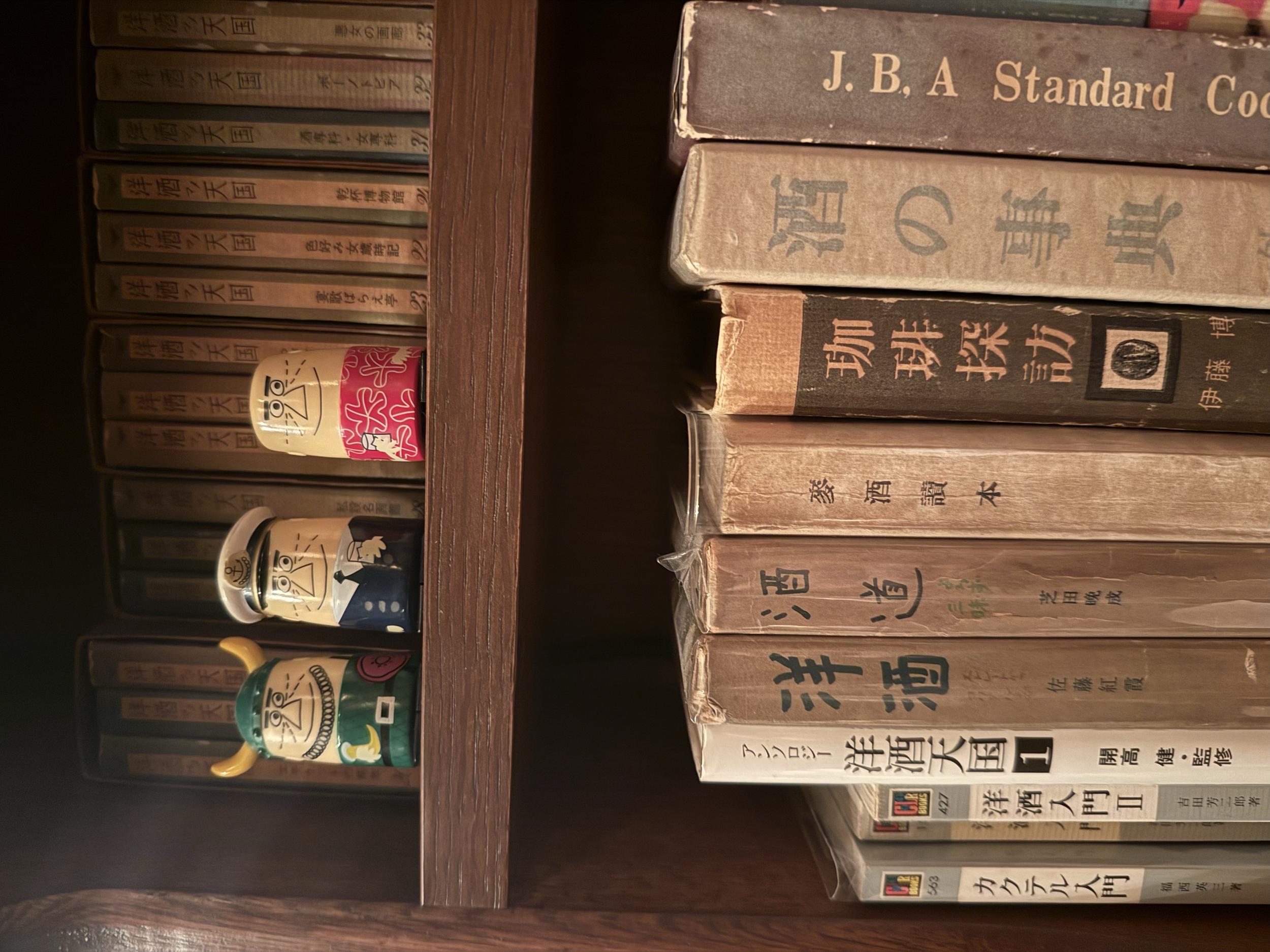
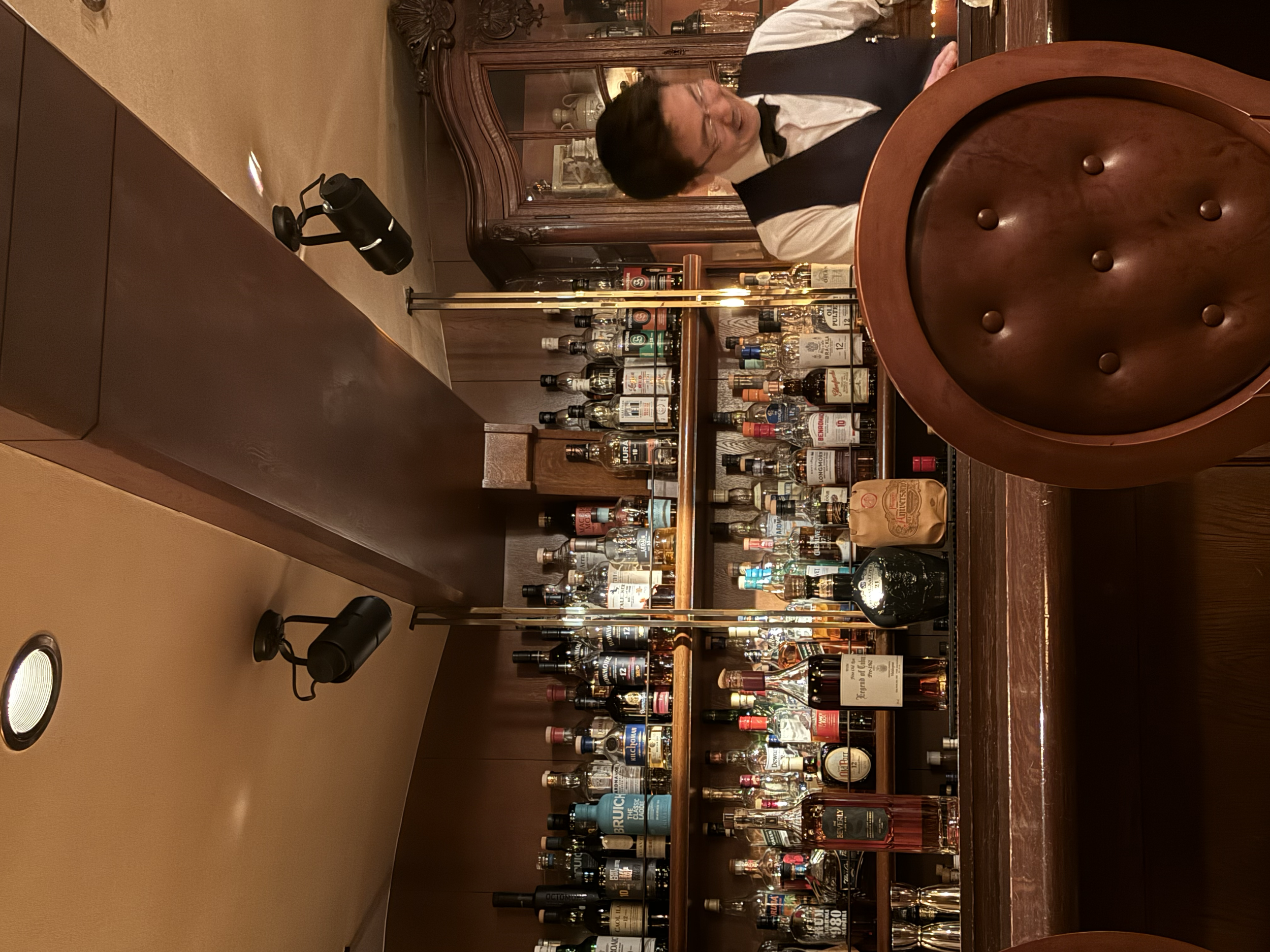
Bar Hiramatsu - Hidden within Osaka’s nightlife scene, Bar Hiramatsu delivers the kind of intimate cocktail experience Japan does exceptionally well — quiet, precise, and deeply intentional. The atmosphere feels timeless, with dim lighting, polished wood interiors, and bartenders who approach each drink with almost ceremonial attention to detail.
Bar K - One of our personal favorites in Osaka, Bar K captures the intimate and quietly elevated cocktail culture the city does so well. The atmosphere feels warm, understated, and effortlessly cool — the kind of place you stumble into for one drink and end up staying far longer than planned.
FOUND Tip: Grab a seat directly at the bar and let the bartenders guide the experience — some of the best drinks here aren’t listed on the menu.
-
Where to Eat & Drink Part Two
Kitashinchi Ichimatsu - Tucked within Osaka’s refined Kitashinchi district, Kitashinchi Ichimatsu offers an elevated yakitori experience that feels both deeply traditional and quietly luxurious. Known for its Michelin-starred approach to charcoal-grilled chicken, the restaurant transforms a typically casual dining style into something far more intentional and refined.
The omakase-style meal highlights different cuts and preparations with incredible precision, allowing each ingredient's simplicity to stand out. Seating is intimate, service is meticulous, and the atmosphere feels calm and understated — a sharp contrast to the energy of the city outside.
Yakitori Ichimatsu - Yakitori Ichimatsu is one of Osaka’s most celebrated yakitori experiences, elevating traditional charcoal-grilled chicken into a refined Michelin-starred omakase dinner. Located in the Kitashinchi district, the restaurant is known for its meticulous preparation, intimate counter seating, and beautifully paced tasting experience.
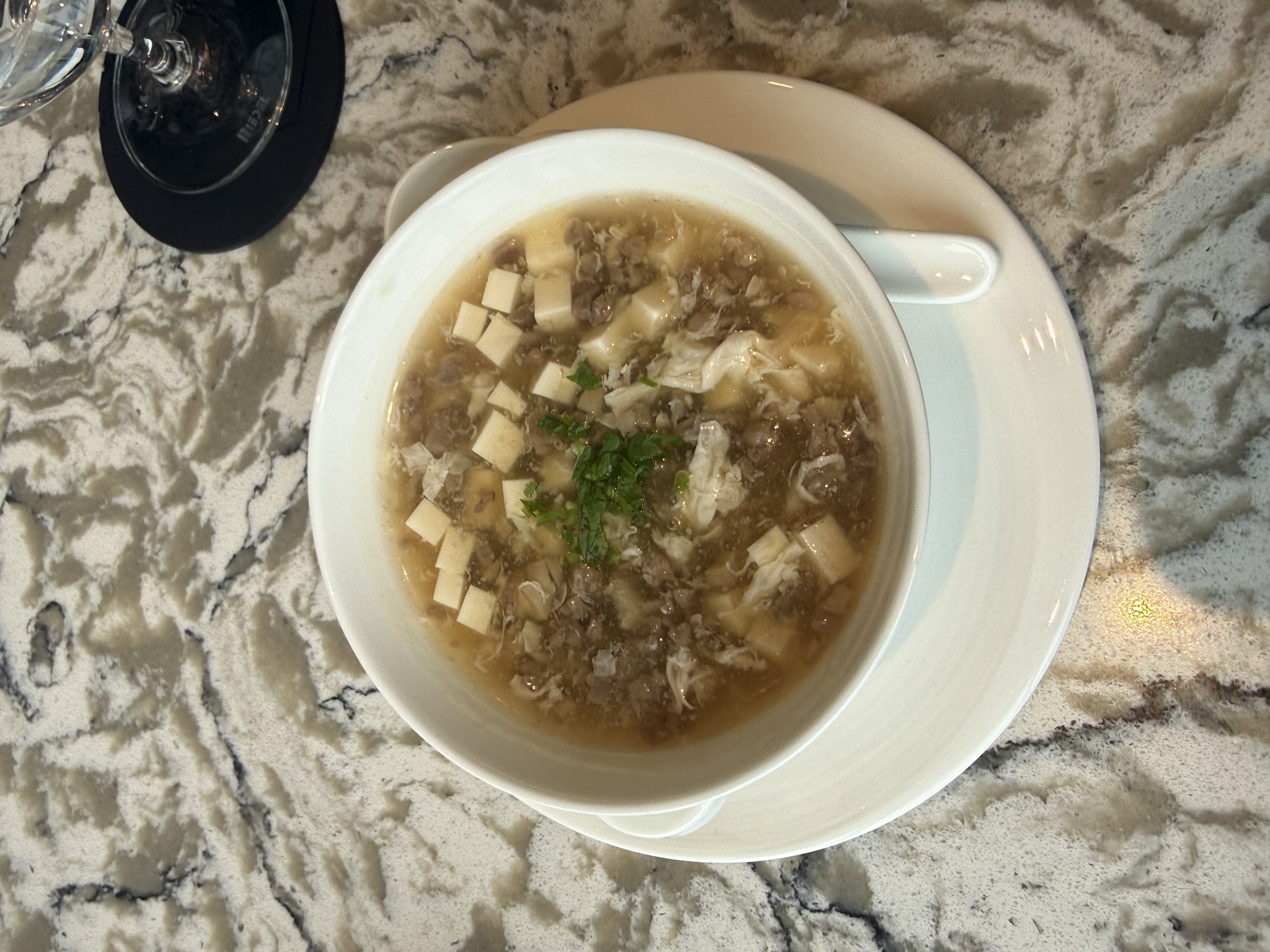
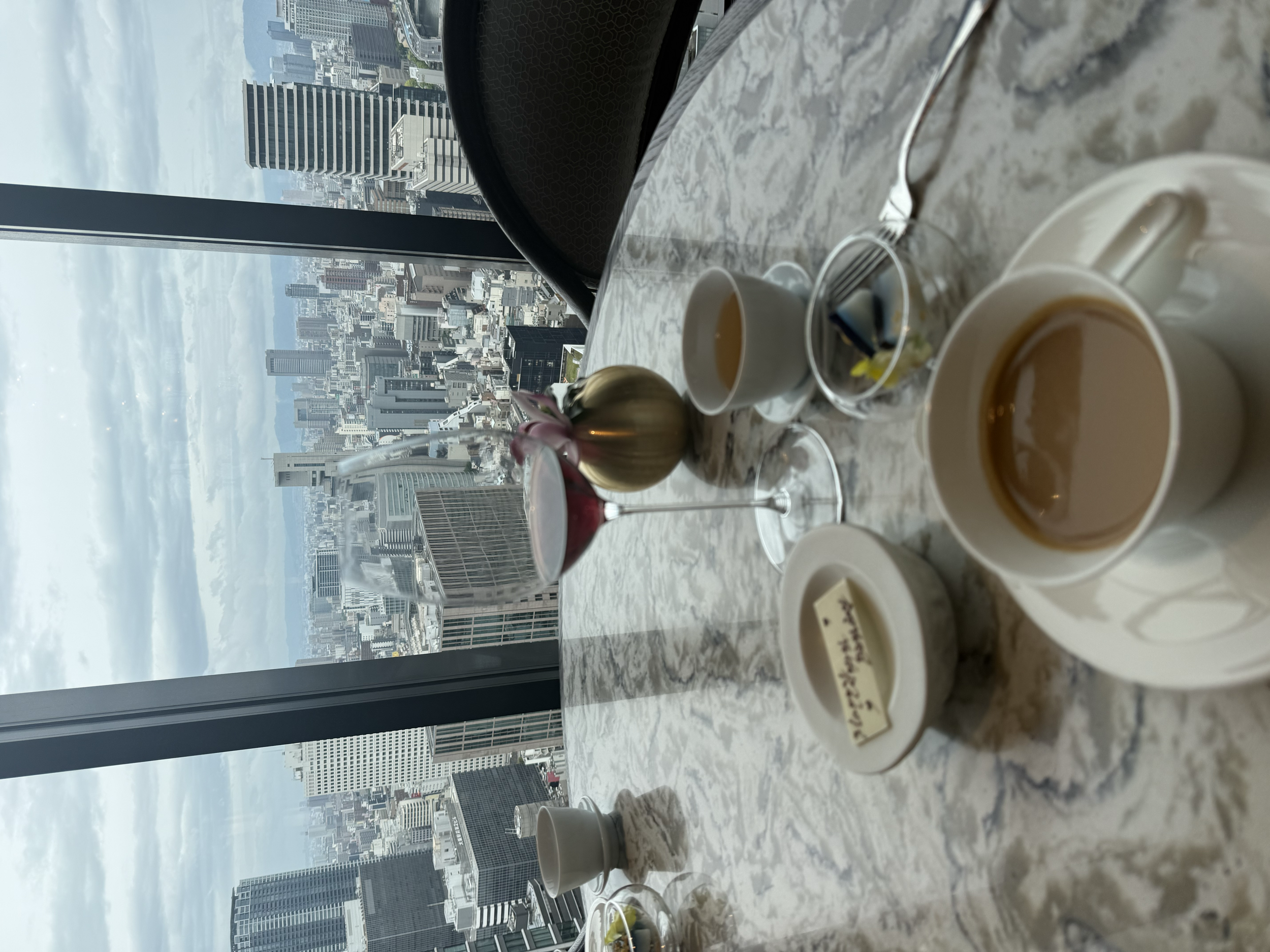
Jiang Nan Chun - Located within Four Seasons Hotel Osaka, Jiang Nan Chun delivers an elevated Cantonese dining experience with refined interiors, exceptional service, and beautifully executed dishes that balance tradition with modern presentation.
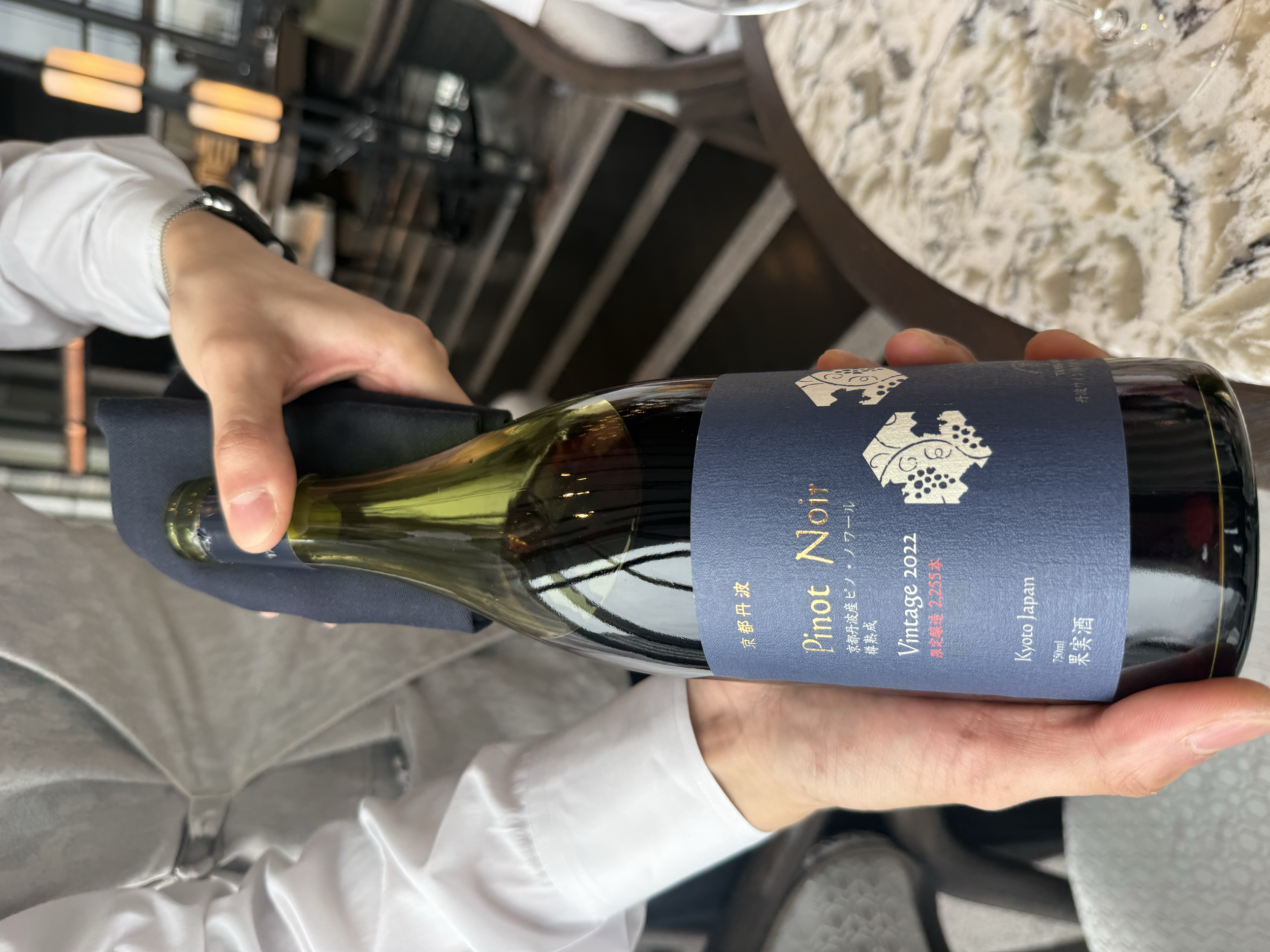
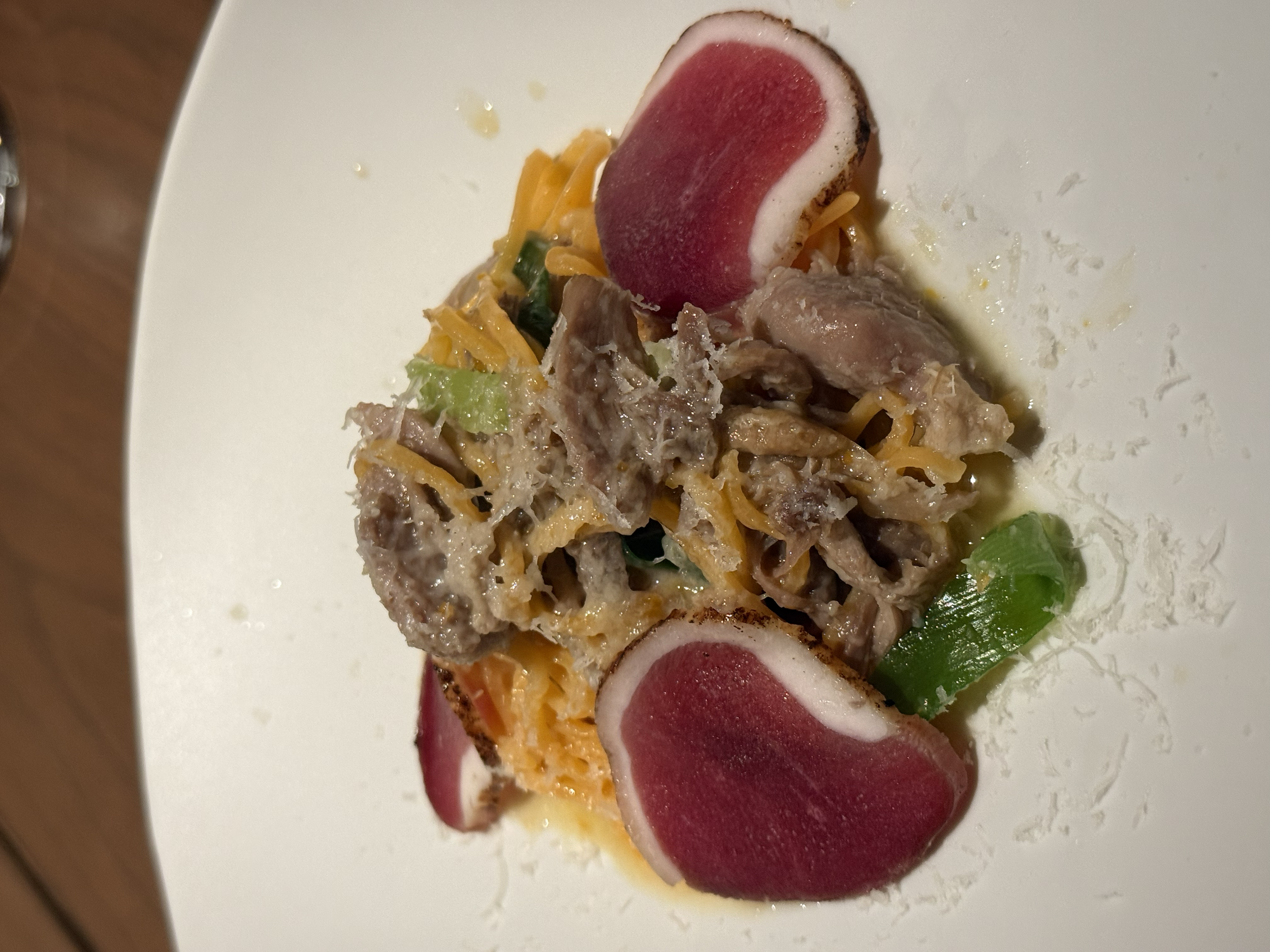
The menu highlights premium seafood, dim sum, and signature specialties, but the true standout is the duck add-on — an absolute must-order experience that quickly became one of our favorite meals in Osaka. Paired with the restaurant’s impressive Japanese wine selections, the experience feels both luxurious and uniquely rooted in Japan’s growing wine culture.
We had an unbelievable lunch here, from the food to the views.
FOUND Tip: Don’t skip the wine pairing — the curated selection of Japanese wines pairs surprisingly well with the richness and depth of the Cantonese menu.
-
Where to Eat & Drink Part Three
L'Abysse Osaka Yannick Alléno - Located within Four Seasons Hotel Osaka, L'Abysse Osaka Yannick Alléno blends French fine dining with the precision of traditional sushi in a way that feels both elegant and deeply intentional. Created by acclaimed French chef Yannick Alléno, the restaurant brings the same elevated atmosphere and attention to detail as the original Paris location.
Having visited the Paris restaurant, we were incredibly impressed by how seamlessly the Osaka experience matched that same level of refinement, service, and culinary execution while still feeling uniquely connected to Japan. The experience moves between beautifully prepared sushi, delicate French influences, and a tasting menu that feels polished without ever becoming overly formal.
The skyline views throughout dinner are incredible, adding another layer to an already unforgettable dining experience in Osaka.
Bible Club Osaka - Hidden behind a church-style doorway in Osaka’s Minami district, Bible Club Osaka is a moody Prohibition-inspired cocktail bar known for its dim lighting, jazz atmosphere, and exceptional classic cocktails. The experience feels transportive from the moment you walk through the door.
The bar also has a sister location in Portland, bringing the same vintage-inspired cocktail culture and intimate energy across both cities.
Bar Shiki - An intimate cocktail bar known for its refined atmosphere, seasonal ingredients, and beautifully precise drinks. Quiet, elegant, and understated, it’s one of our favorite spots in Osaka for experiencing the city’s sophisticated cocktail culture.
Bar Nayuta - Hidden within the streets of Shinsaibashi, Bar Nayuta is a cozy and highly personalized cocktail bar where there’s no traditional menu — bartenders create drinks entirely based on your preferences and mood. The atmosphere feels intimate, relaxed, and distinctly local, making every visit feel a little different.
Bar Juniper - Bar Juniper is a stylish gin-focused cocktail bar known for its extensive selection of Japanese and international gins, refined cocktails, and intimate atmosphere. The space feels polished yet approachable, making it an ideal stop for a quieter late-night drink in Osaka.
Tom and Jerry Bar - A tiny late-night bar in Osaka known for its nostalgic atmosphere, strong drinks, and playful personality. The space feels casual, local, and full of character — the kind of hidden spot that makes Osaka nightlife so memorable.
Kuromon Ichiba Market - Known as “Osaka’s Kitchen”- is one of the best places in the city to experience Osaka’s food culture all in one place. The market is filled with seafood stalls, wagyu skewers, sushi counters, seasonal fruit vendors, and street food tucked beneath narrow covered walkways buzzing with energy.
While wandering through the market, don’t miss standout stalls like Torepichi for fresh seafood and grilled specialties, along with Maguroya Kurogin, known for some of the market’s most popular tuna and sushi offerings.
wad - A beautifully minimal tea house and café in Osaka known for its curated ceramics, matcha, and quiet atmosphere. The space feels calm and intentionally designed, offering a slower and more refined experience compared to the city’s faster pace outside.
Known for traditional tea service and handcrafted Japanese pottery, wad blends café culture, art, and design into one of Osaka’s most peaceful hidden gems.
-
Where to Eat & Drink Part Four
Yakitori Sumiemon - A refined yakitori restaurant known for its charcoal-grilled skewers, intimate counter seating, and an elevated approach to traditional Japanese grilling. The atmosphere feels warm and understated, allowing the focus to remain on the precision of each course and the quality of the ingredients.
Noguchi Taro Ramen - Offering a more elevated, modern take on traditional ramen, known for its beautifully balanced broths, refined presentation, and intimate dining atmosphere. The experience feels thoughtful and chef-driven while still delivering the comfort and depth that Osaka ramen is known for.
Tsukimi Sushi & Teppan - Located on the 29th floor of the new Waldorf Astoria Osaka in the Umekita/Umeda district, Tsukimi Sushi & Teppan combines elevated sushi and teppanyaki with sweeping skyline views across Osaka. The restaurant’s serene interiors, sushi counter, outdoor terrace, and floor-to-ceiling windows create a calm and luxurious atmosphere high above the city.
Fukushima Neighborhood for Food - Just west of Umeda, Fukushima has quietly become one of Osaka’s best neighborhoods for dining, filled with intimate restaurants, hidden cocktail bars, wine spots, and some of the city’s most exciting local food experiences. Compared to the larger crowds of Dotonbori, Fukushima feels more neighborhood-driven and refined while still maintaining Osaka’s energetic food culture.
Ult Coffee - Founded by 2023 World Barista Champion Boram Um, Ult Coffee has quickly become one of Osaka’s standout specialty coffee destinations. Located in the quieter Kyomachibori neighborhood near Utsubo Park, the café is known for its minimalist design, competition-level beans, and meticulously prepared pour-overs and espresso drinks.
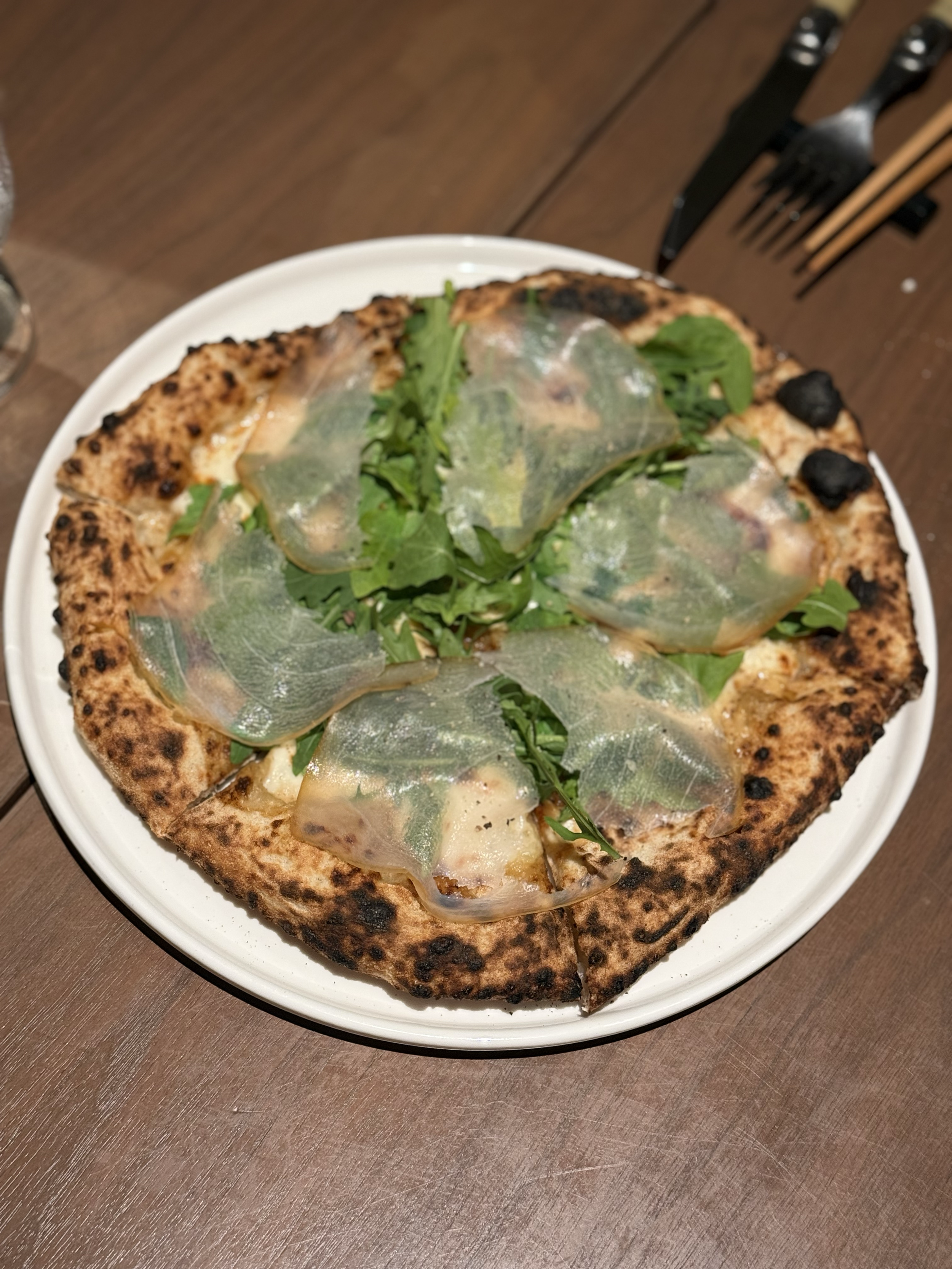
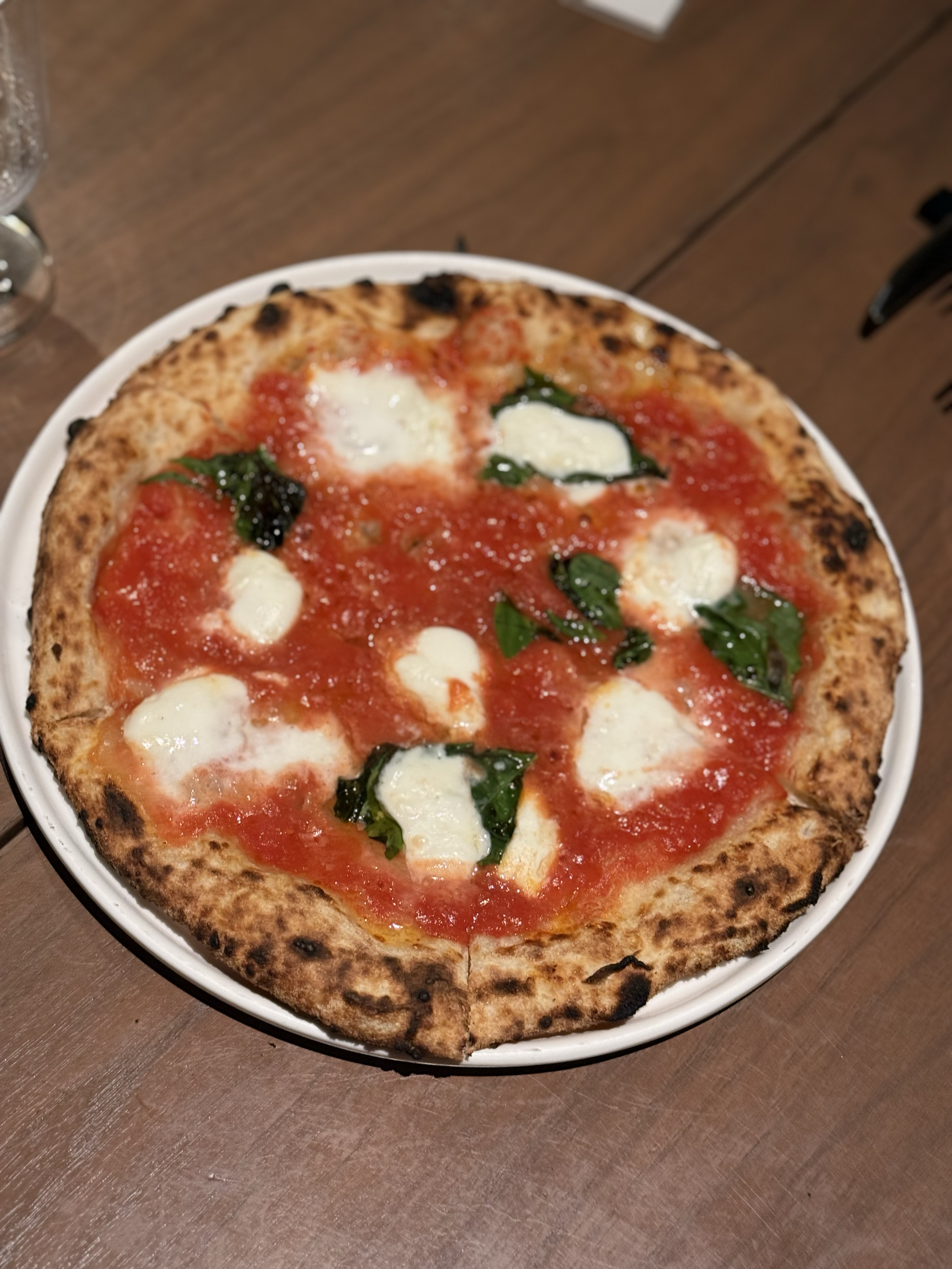
Hinoka - Hinoka is a cozy Italian restaurant in Osaka known for its wood-fired pizzas, intimate atmosphere, and relaxed neighborhood feel. Blending Japanese attention to detail with classic Italian flavors, the restaurant has become a favorite for its beautifully simple pizzas, natural wine selections, and warm hospitality.

Scroll through for a few of our favorite moments from Osaka
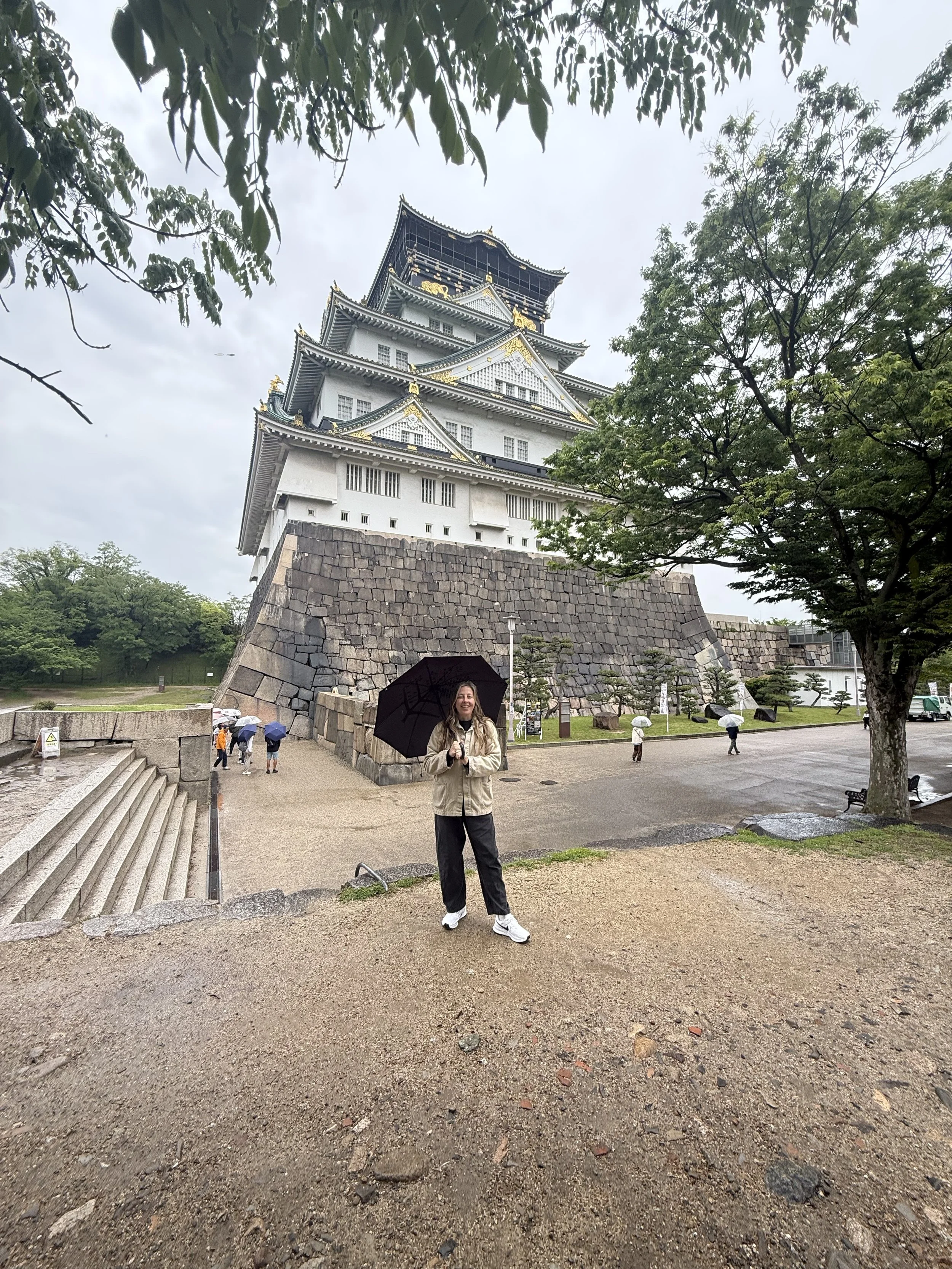
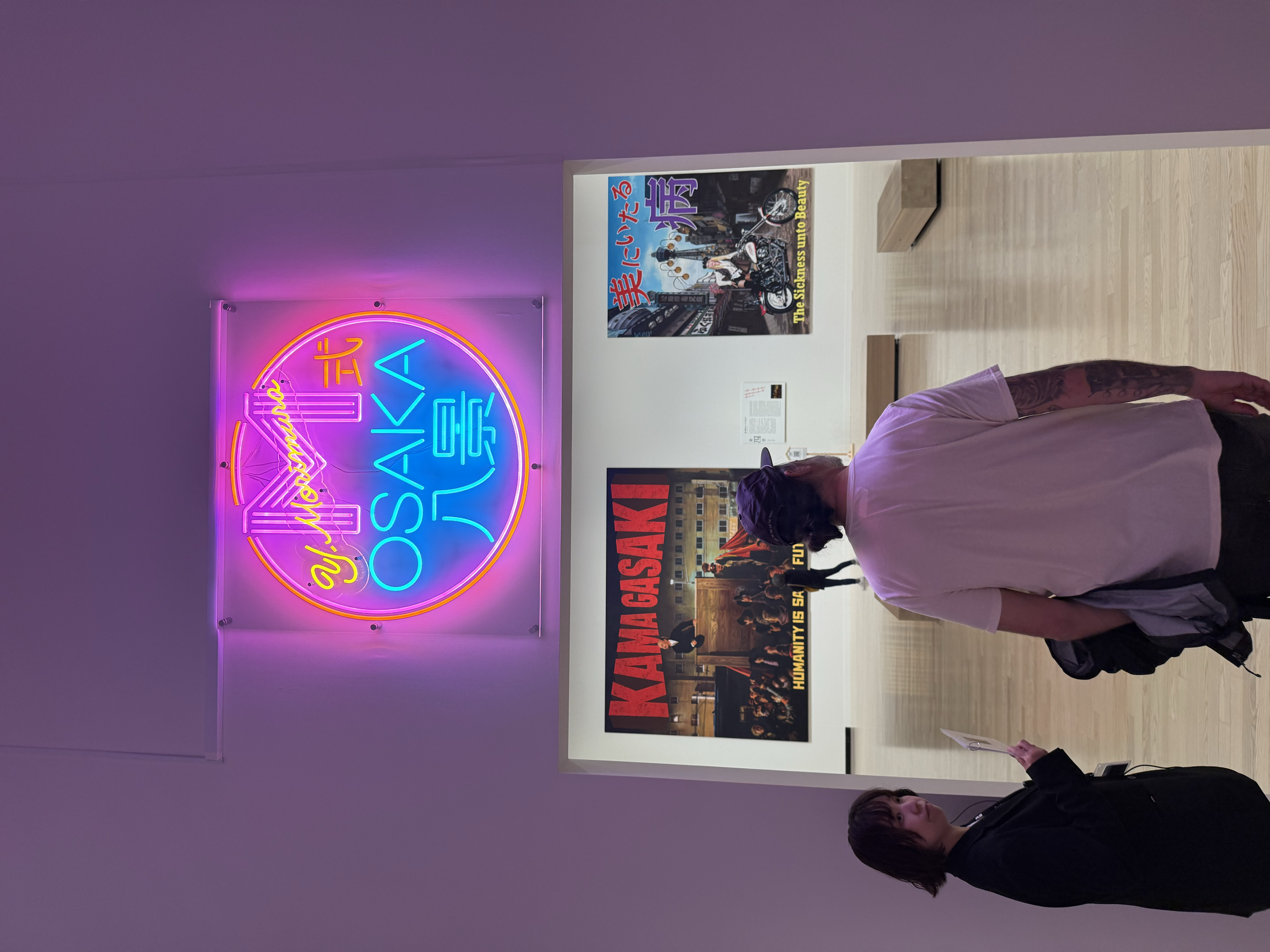
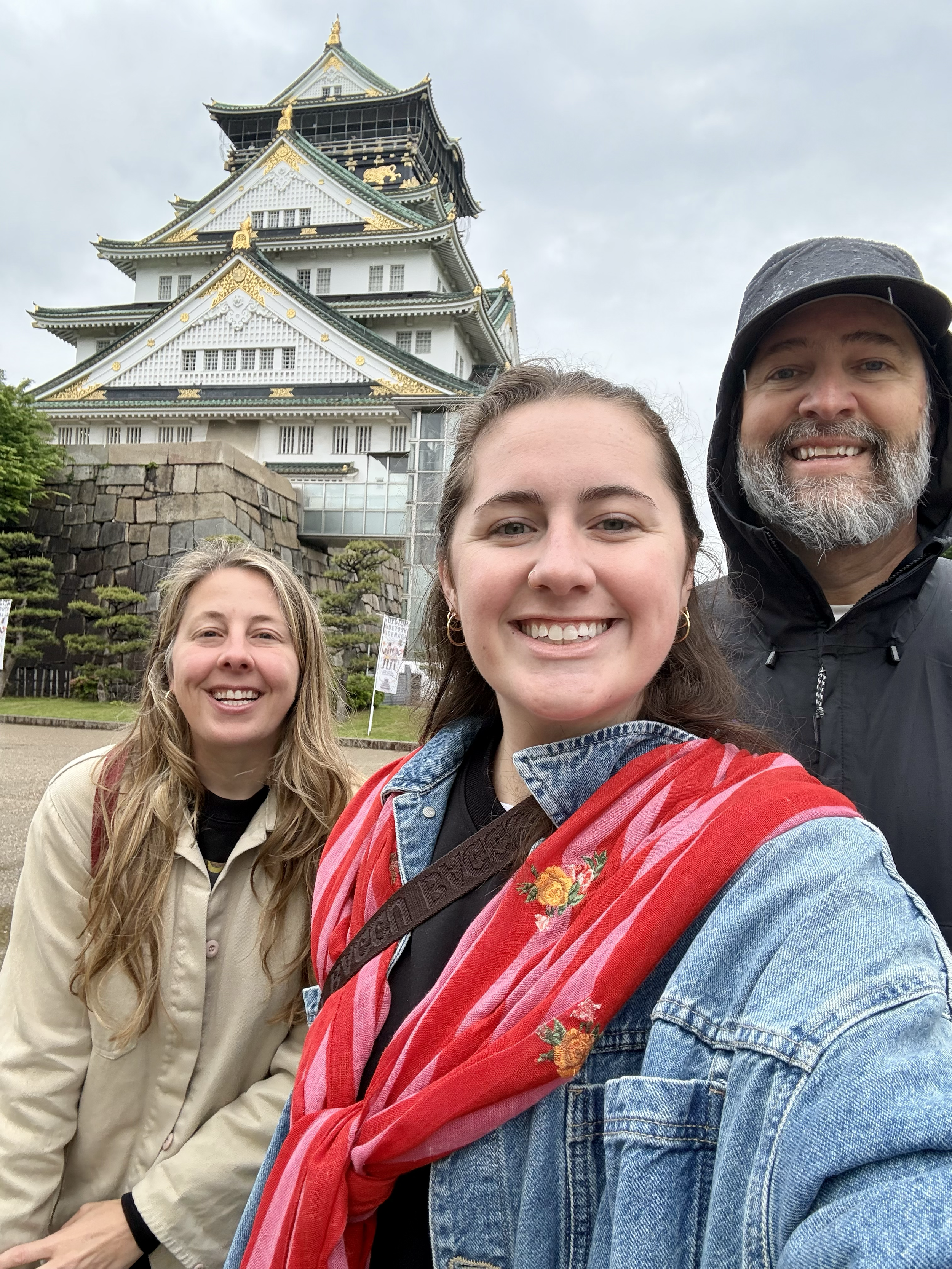
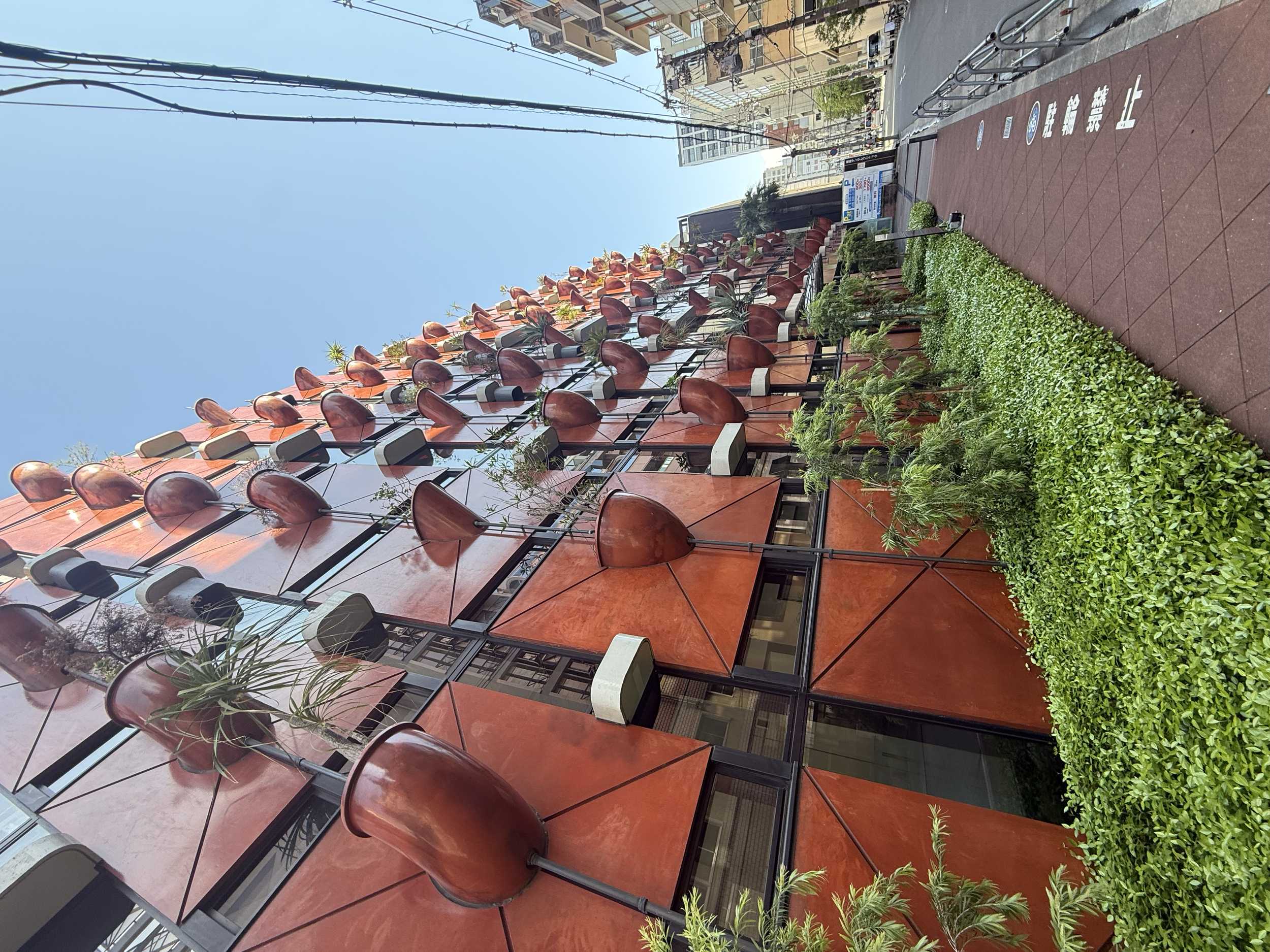
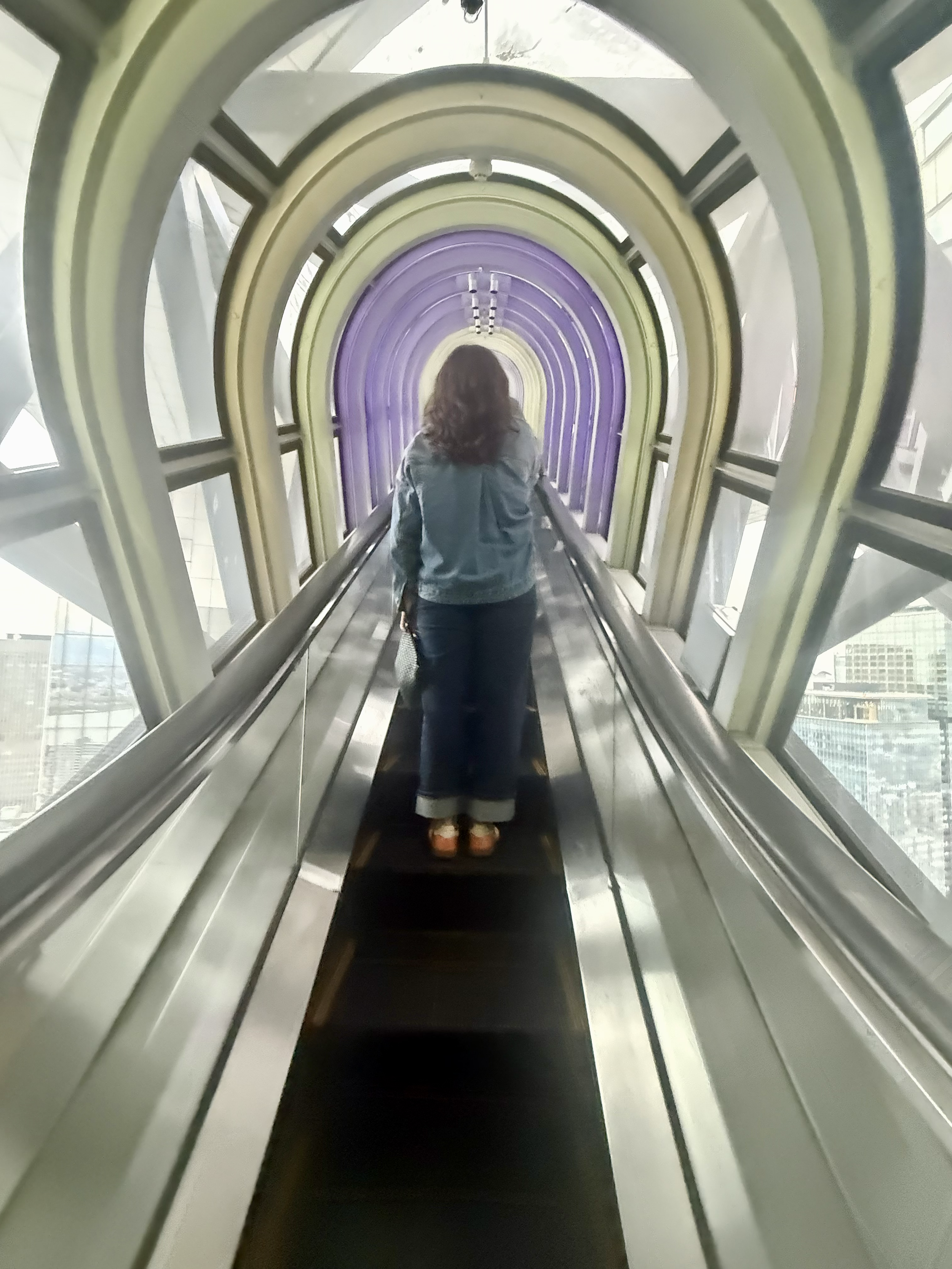
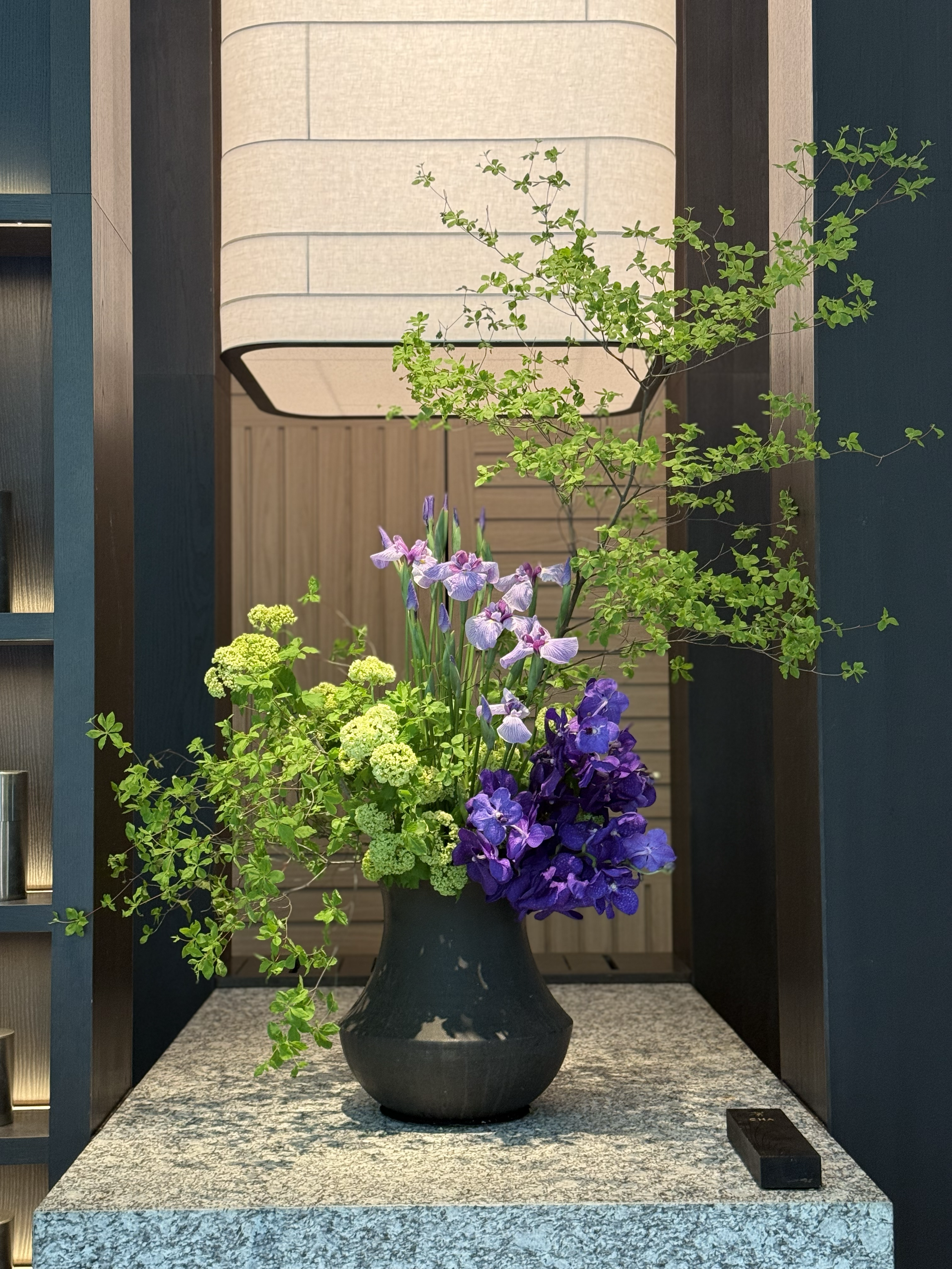
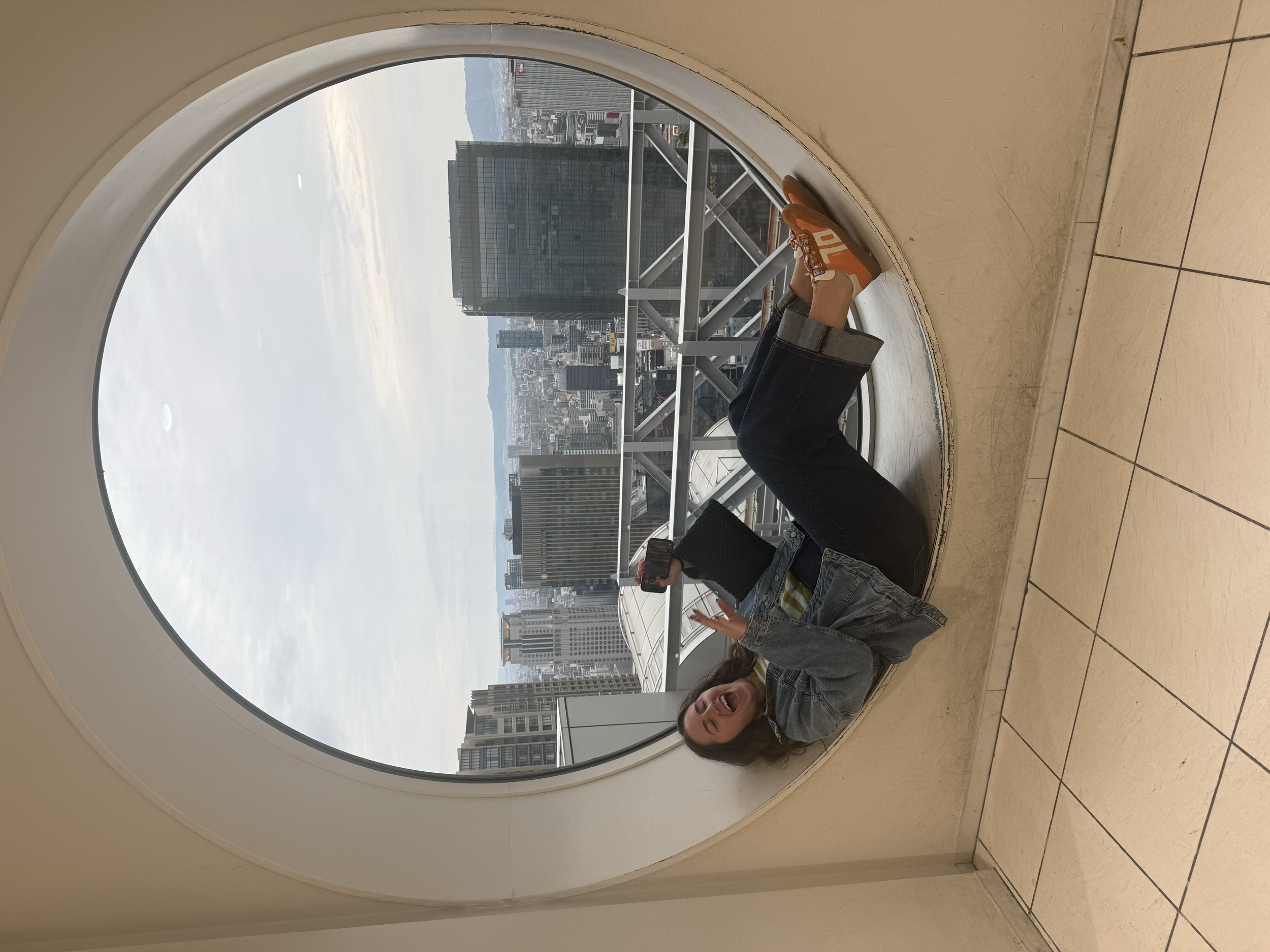



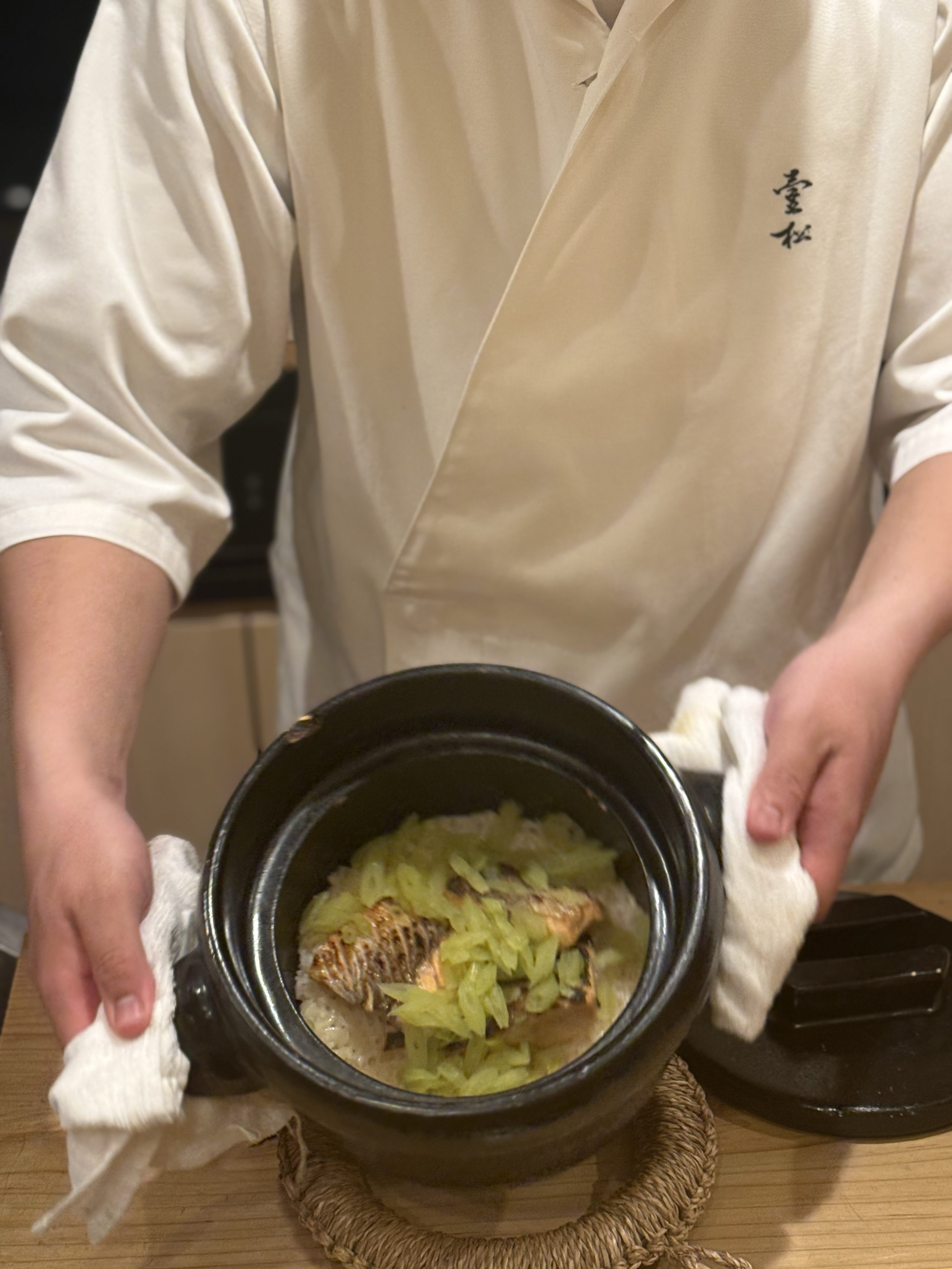
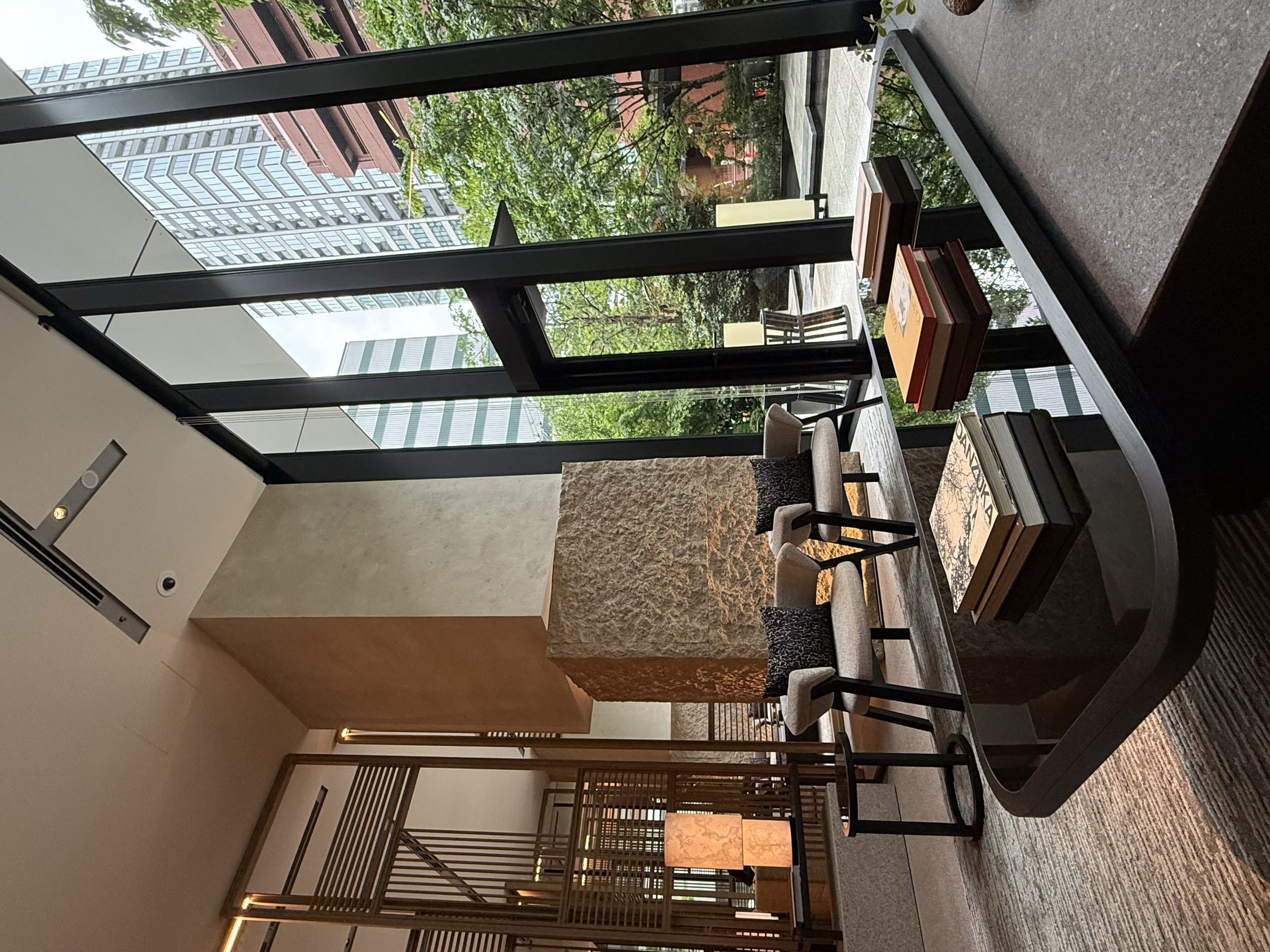
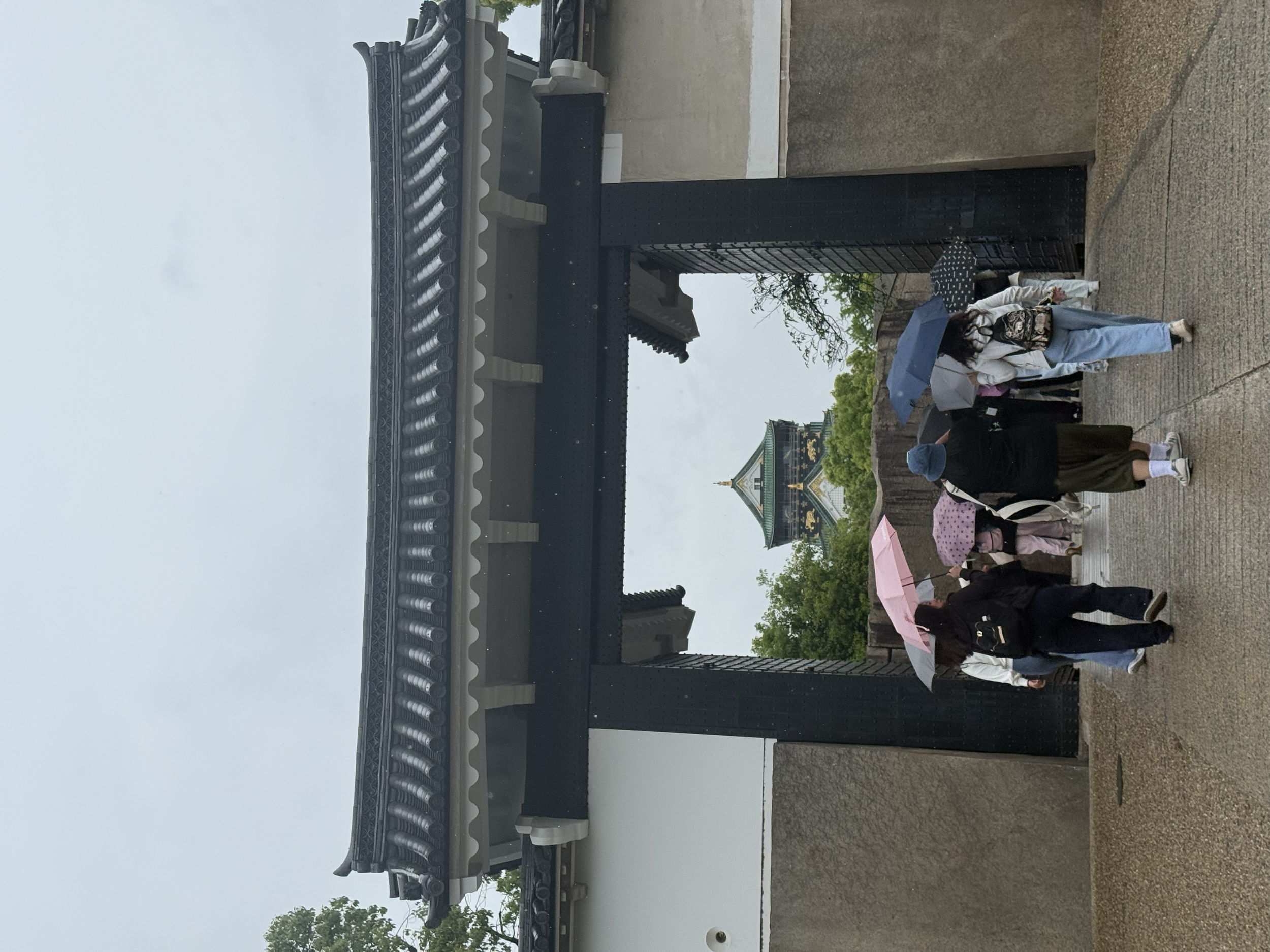
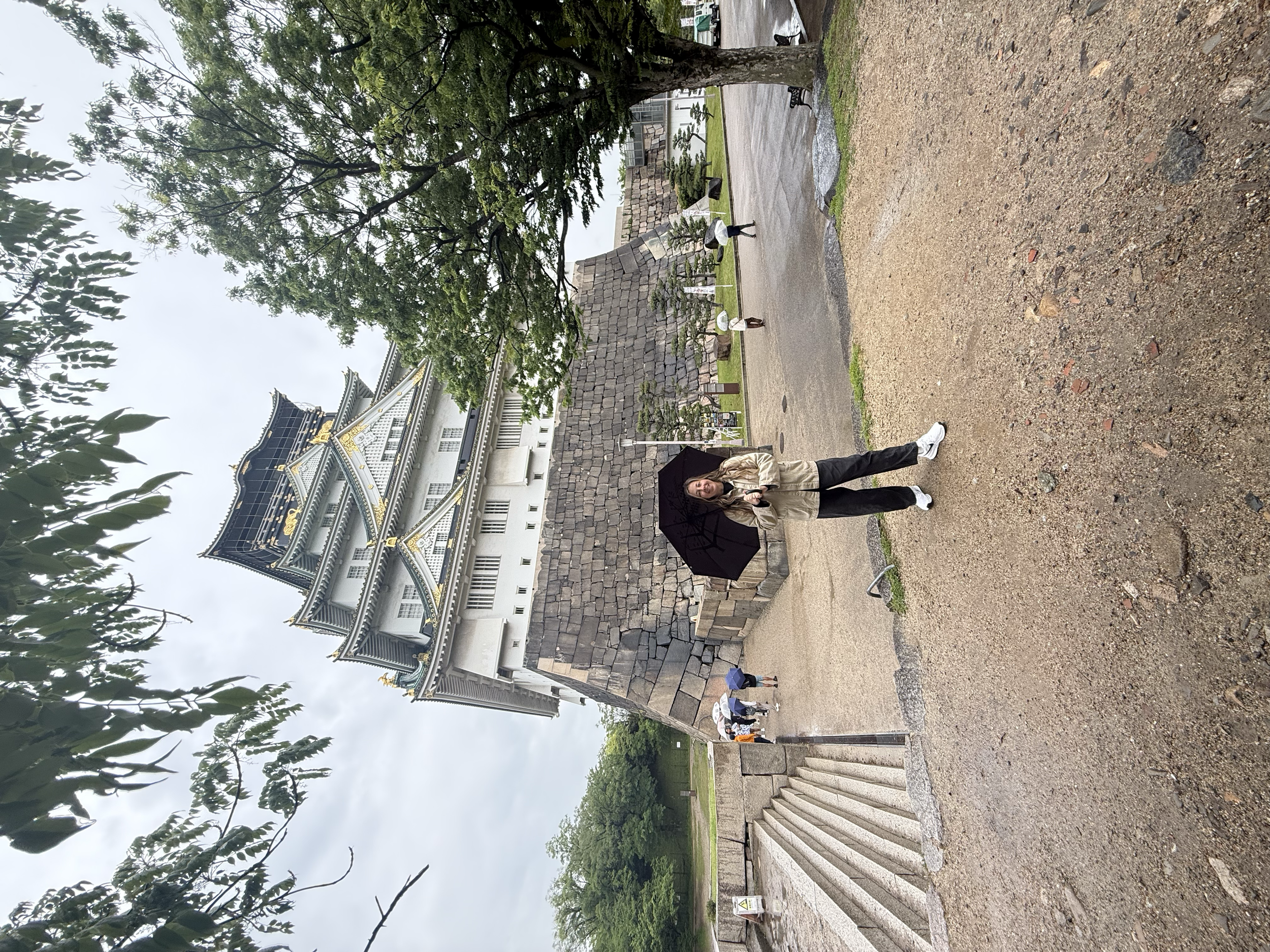







Osaka feels different from anywhere else in Japan. It’s louder, warmer, more playful, and far less polished in the best possible way. While Tokyo impresses with scale and precision and Kyoto slows you into tradition, Osaka invites you to simply enjoy yourself — through food, nightlife, conversation, and the beautifully chaotic energy woven throughout the city.
What makes Osaka unforgettable is the contrast. One moment you’re wandering through centuries of history at Osaka Castle or quiet temple grounds, and the next you’re standing beneath towering neon signs in Dotonbori eating street food at midnight. The city balances old and new effortlessly — retro alleyways and smoky izakayas beside sleek luxury hotels, cocktail bars, and contemporary art museums.
Osaka may not always receive the same attention as Tokyo or Kyoto, but that’s part of what makes it special. It feels more local, more personal, and more alive. For travelers seeking the heart, humor, and hospitality of Japan, Osaka quickly becomes one of the most memorable stops in the country.